# Global Warming Threshold Approaching as UN Sounds Climate Alert
The United Nations has issued a stark warning that Earth is on track to breach the 1.5-degree Celsius warming limit established by the Paris Agreement. This threshold, agreed upon by 195 nations in 2015, represents a critical boundary beyond which climate impacts accelerate dramatically across ecosystems, agriculture, and human settlements worldwide.
Current global temperatures sit approximately 1.1 degrees Celsius above pre-industrial levels. The UN assessment indicates that without immediate and substantial reductions in greenhouse gas emissions, the planet will cross 1.5 degrees within the next decade. This projection comes from multiple climate monitoring organizations that track atmospheric carbon dioxide concentrations, ocean temperatures, and other planetary indicators through satellite observations and ground-based measurements.
The 1.5-degree limit carries outsized importance in climate science and policy. Research from the Intergovernmental Panel on Climate Change (IPCC) demonstrates that impacts intensify nonlinearly beyond this point. At 1.5 degrees, severe heat waves, crop failures, and species extinctions accelerate. Coral bleaching events become routine rather than exceptional. Sea level rise accelerates as ice sheets destabilize. The difference between 1.5 and 2 degrees Celsius warming represents millions of displaced people, trillions in economic losses, and potentially irreversible changes to regional climate patterns.
The UN's statement emphasizes that nations retain agency in this outcome. Rapid decarbonization remains physically possible. Renewable energy deployment has accelerated dramatically over the past five years, with wind and solar now cheaper than fossil fuels in most markets. Battery storage capacity has expanded exponentially. Net-zero emissions commitments now cover roughly 90 percent of global GDP, though pledges require implementation through concrete policy changes and investment.
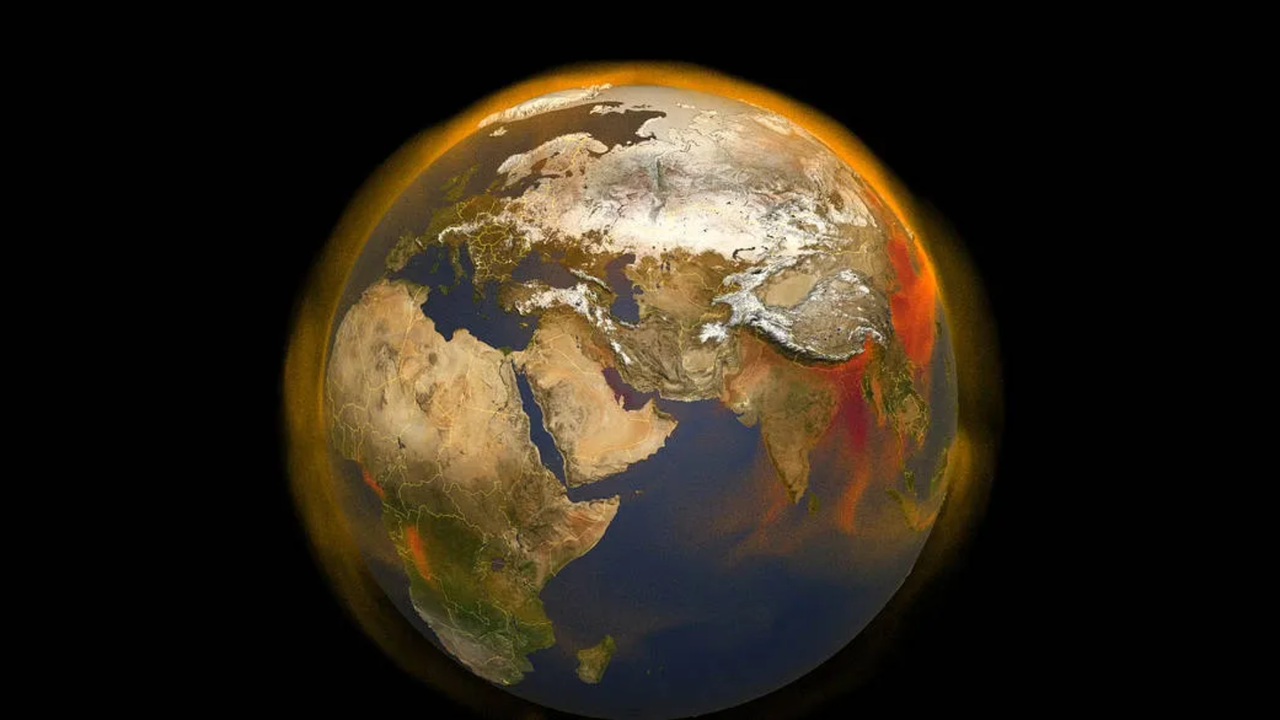
Space-based climate monitoring underpins these assessments. NASA's fleet of Earth observation satellites tracks atmospheric greenhouse gas concentrations, ocean temperatures, ice sheet dynamics, and land surface changes. The Copernicus program, operated by the European Commission and European Space Agency, provides continuous monitoring of atmospheric composition, ocean color, and land use changes. These instruments generate the data that calibrates climate models and validates warming projections.
The UN's framing echoes language from previous climate reports, stressing that the pathway remains open but the window narrows. Achieving the 1.5-degree target requires global emissions to fall by roughly 45 percent by 2030 relative to 2010 levels, then reach net-zero by 2050. Current emission reduction rates fall substantially short of this trajectory.
The statement arrives amid ongoing climate negotiations and renewed pressure on developed nations to increase climate finance for adaptation in vulnerable countries. Tropical island nations and low-lying coastal regions face existential threats from warming and sea level rise, regardless of global emissions policies enacted today. The warming already locked into Earth's climate system guarantees decades of continued warming even if emissions ceased immediately.
The UN's message carries both warning and exhortation. The scientific evidence proves unambiguous. The technological solutions exist. The economic case for renewable energy strengthens yearly. What remains uncertain is whether political will and international coordination can match the scale and speed required to alter Earth's trajectory before the 1.5-degree threshold falls permanently behind us.