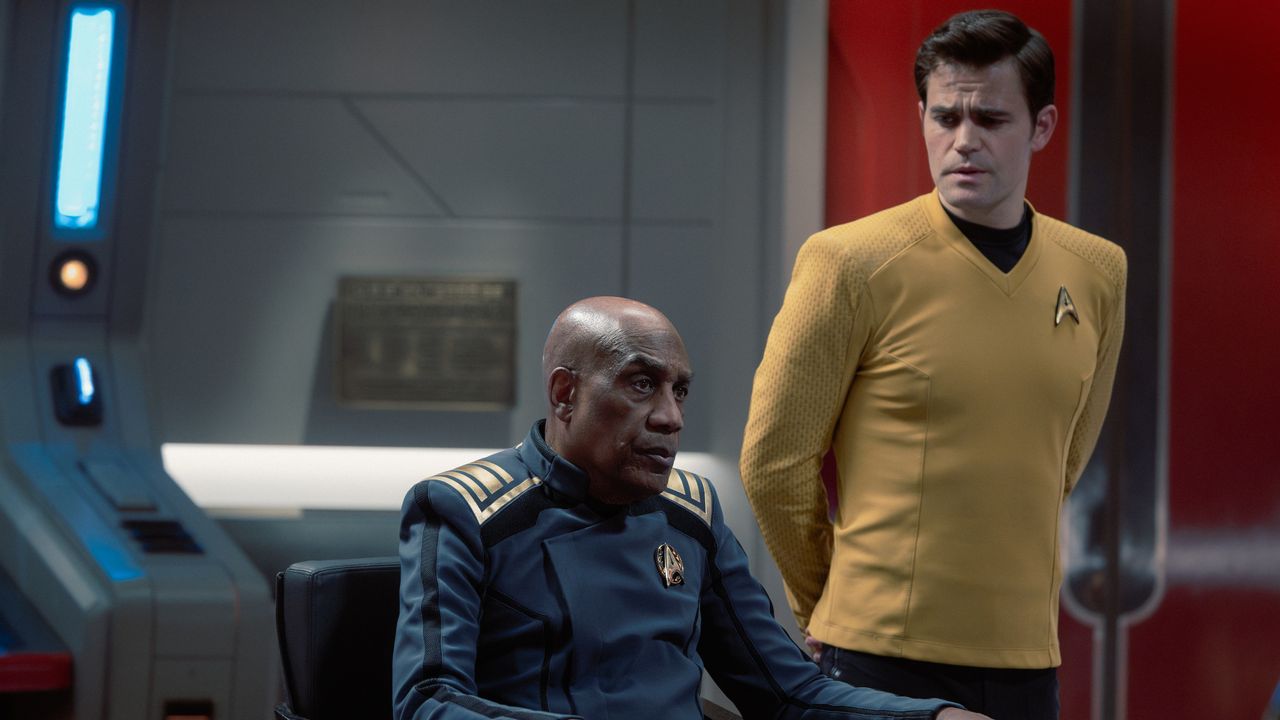
Star Trek has always wrestled with moral authority aboard vessels where decisions carry existential weight. The latest episode of "Strange New Worlds" demonstrates how the franchise can adapt the command-structure tension that defined Tony Scott's "Crimson Tide" for the final frontier.
The upcoming Star Trek film will explicitly draw inspiration from that 1995 submarine thriller, where Denzel Washington and Gene Hackman portrayed two officers locked in escalating conflict over launch protocols and accountability. That narrative framework, centered on the collision between hierarchy and conscience, translates directly to Starfleet's operating principles. A captain's order binds a crew to action, yet Starfleet's founding mission emphasizes exploration and ethical conduct. When those values clash, the drama becomes genuinely consequential.
"Strange New Worlds" has proven adept at mining this territory. The series, which launched in 2022 on Paramount+, rehabilitated the original series' legacy by grounding Kirk-era starship operations in character-driven stories that prioritize moral complexity over spectacle. Captain Pike, played by Anson Mount, commands through ethical clarity rather than mere authority, creating scenarios where subordinates face genuine questions about following orders versus following conscience.
The "Crimson Tide" parallels work because submarines and starships share operational architecture. Both environments feature isolated crews, limited communication with higher command, and split-second decisions that affect survival. Both demand absolute clarity in the chain of command, yet both present situations where that clarity becomes questionable. In the submarine film, the captain receives contradictory orders about nuclear launch. In Star Trek, captains encounter moral dilemmas that no Starfleet regulation adequately addresses.
"Strange New Worlds" recent episode leveraged this dynamic effectively. Rather than resolving tensions through technobabble or diplomatic compromise, the story forced characters to choose between obedience and moral conviction. The stakes remained grounded in character rather than inflated through cosmic threat. That restraint distinguishes "Strange New Worlds" from the broader Star Trek television landscape, which sometimes sacrifices intimate human conflict for galaxy-spanning plots.
The upcoming film's inspiration from "Crimson Tide" signals creative intent to ground Star Trek storytelling in recognizable tension. Audiences understand command hierarchies and the burden of authority. They understand the weight of carrying orders you question. By transplanting that proven dramatic engine to a Star Trek setting, the filmmakers inherit "Crimson Tide's" narrative machinery without requiring audiences to accept exposition-heavy explanations of Starfleet protocol.
This approach also reflects broader Star Trek strategy under showrunner Alex Kurtzman, whose tenure emphasizes character development and philosophical exploration over serialized plot machinery. Earlier Trek films occasionally defaulted to action sequences or alien adversaries as primary conflict drivers. The "Crimson Tide" framework inverts that hierarchy. The primary conflict becomes internal. The antagonist becomes systems themselves, whether military structures or institutional pressures. The solution requires not weapon deployment but moral clarity.
"Strange New Worlds" has already proven this storytelling works on television. The film adaptation will test whether audiences accept that same intensity on cinema screens, where spectacle typically dominates. If the filmmakers execute the moral framework effectively, they deliver Star Trek storytelling that respects both the franchise's philosophical tradition and contemporary audience appetite for character-centered drama.