# The Iconic Vessels of Star Trek: Starfleet's Greatest Achievements in Science Fiction Design
Star Trek has spent nearly six decades defining how popular culture imagines spacecraft. The franchise's spaceships transcend mere fiction, becoming vessels that embody exploration philosophy, technological aspiration, and narrative ambition.
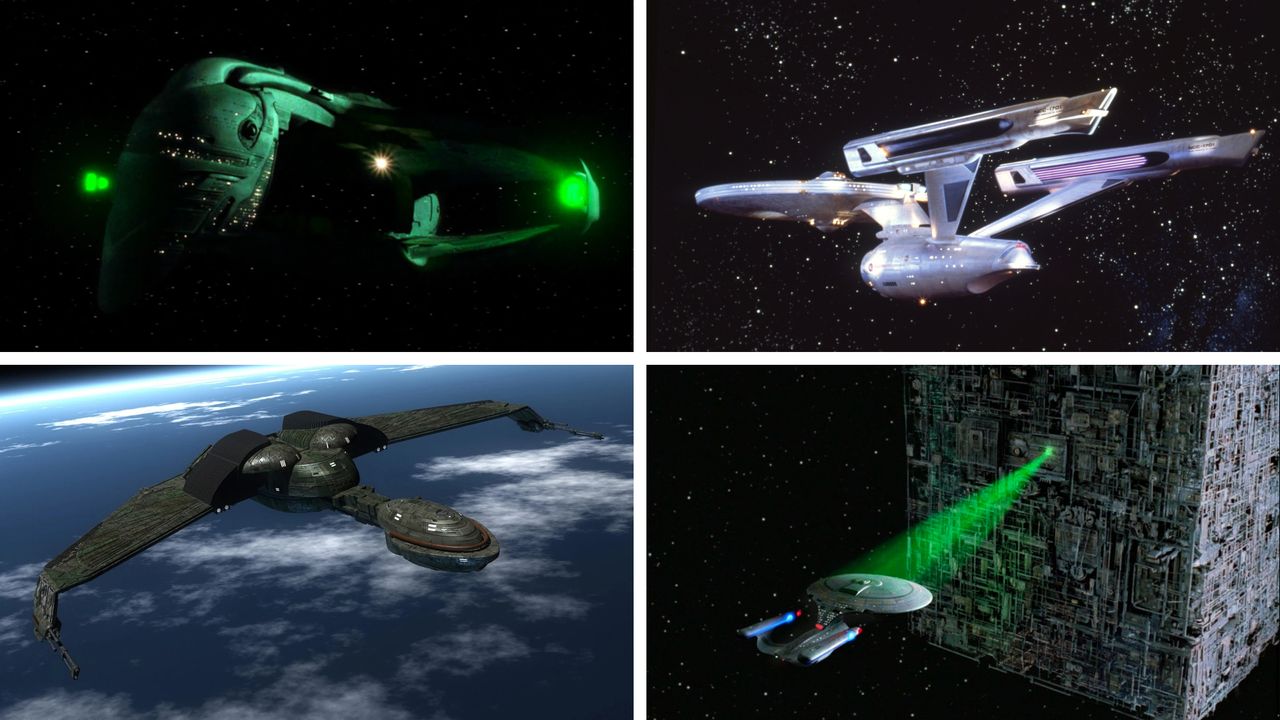
The USS Enterprise remains the franchise's cornerstone. Gene Roddenberry's original 1966 series introduced viewers to a starship that looked like nothing Earth had produced before. That sleek design, created by Matt Jefferies, established visual language that persists in spacecraft conceptualization today. The Enterprise's saucer section, nacelles, and engineering hull became the template that Starfleet would follow for centuries of in-universe starship development.
The Enterprise-D, featured in "The Next Generation" (1987-1994), represented a quantum leap in design sophistication. The Galaxy-class vessel dwarfed its predecessor, incorporating a completely new aesthetic. That ship's architecture reflected optimism about humanity's future. Its recreation areas, massive bridge, and operational capacity demonstrated a Federation confident in its mission.
The Voyager class introduced compact efficiency. Launched in "Star Trek: Voyager" (1995-2001), the USS Voyager operated at the franchise's narrative edges, stranded 70,000 light-years from home. Its design prioritized resilience over grandeur, equipped with the advanced Delta Flyer shuttlecraft for specialized missions. That series explored themes of isolation and perseverance that demanded a ship built for survival rather than prestige.
Klingon vessels like the Bird-of-Prey demonstrated how design language shapes character. Those ships featured aggressive geometry, powerful armaments, and a visual vocabulary entirely distinct from Federation aesthetics. The angular, predatory lines telegraphed Klingon culture without dialogue.
The Borg Cube shocked audiences with its utterly alien geometry. That perfect cube lacked any ergonomic concession to biology, embodying technological assimilation's horror. Its sheer rectilinear brutality communicated threat levels that conventional spaceships could not match.
Romulan warbirds incorporated a bird-of-prey silhouette, visually signaling a species perpetually threatening conflict yet restrained by diplomatic equilibrium. That design philosophy extended beyond aesthetics into narrative function.
What makes Star Trek's spacecraft enduring is their functional design philosophy. Each vessel reflects its builders' values, operational priorities, and historical moment. The Enterprise-A represented post-Cold War American optimism. The Defiant, introduced in "Deep Space Nine," embodied a Federation forced toward militarization, with its compact combat-focused profile contrasting sharply with the exploration-oriented Galaxy class.
These ships influenced actual space exploration thinking. NASA designers and engineers openly cite Star Trek as inspiration. The aesthetic principles embedded in Starfleet vessel design encouraged imagining spacecraft as purposeful tools rather than mere transportation pods. Form followed function, but function included the psychological and philosophical dimensions of exploration.
The franchise's visual storytelling through ship design demonstrates how science fiction shapes engineering thought. When SpaceX names rockets and missions, when NASA considers sleek futuristic designs, when engineers dream of deep space missions, they draw unconsciously from mental templates established by Starfleet's legendary fleet. Star Trek's spaceships function as aspirational blueprints, proving that bold design thinking remains intrinsic to humanity's relationship with space exploration.