# NASA-Funded Research Finds Complex Life Defying Record Heat
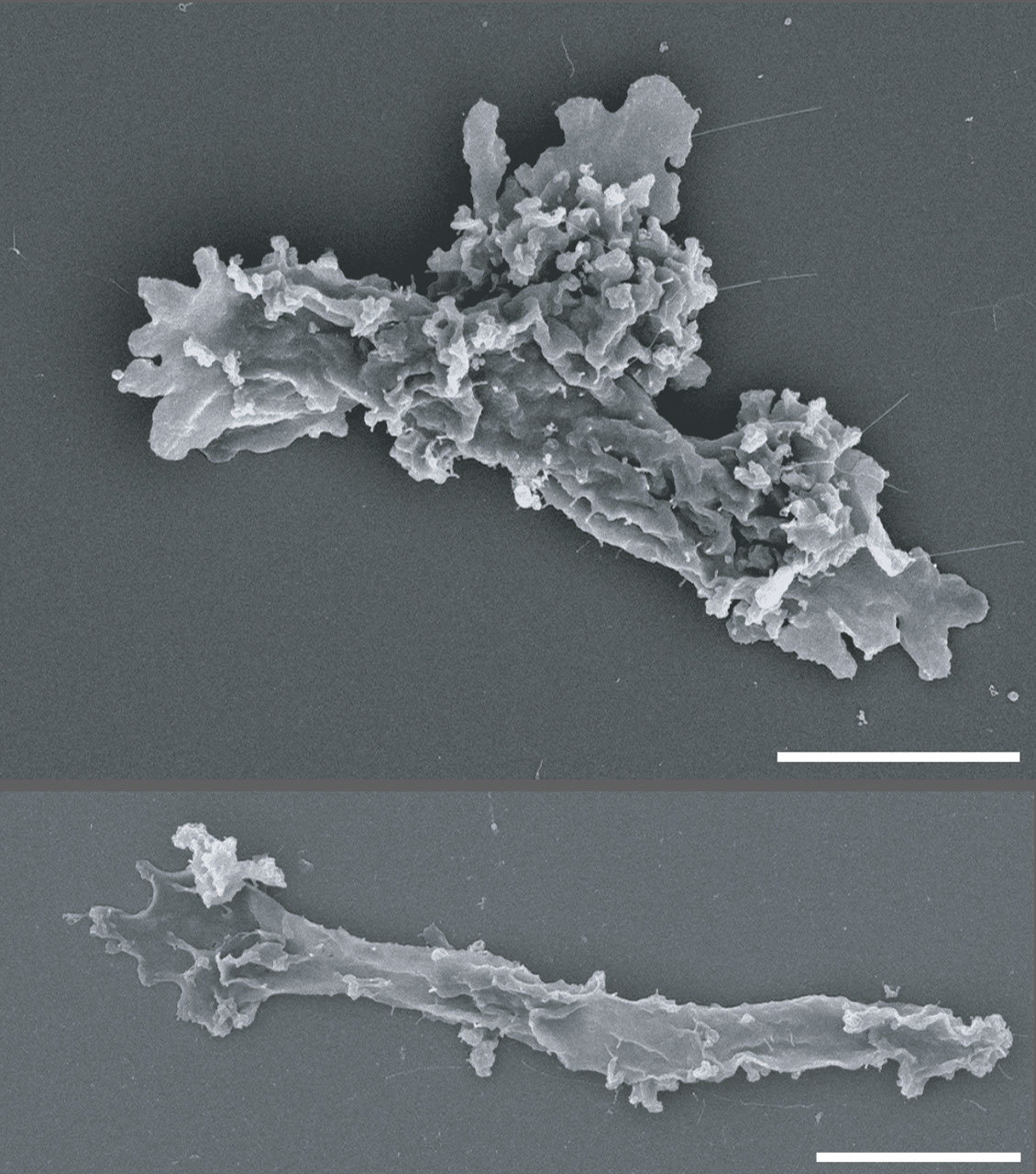
NASA-supported scientists have identified an organism thriving at temperatures that overturn decades of assumptions about the limits of complex life on Earth. The discovery centers on a eukaryotic organism, a life form with a nucleus and other specialized cellular structures, surviving in conditions previously considered lethal to such complexity.
The challenge life faces at extreme heat is biochemical. High temperatures destabilize proteins, disrupt cell membranes, and damage DNA itself. Eukaryotic cells, which contain a nucleus housing genetic material and numerous membrane-bound organelles, face additional vulnerability. Their compartmentalized design, while offering advantages under normal conditions, creates thermal fragility. The protective barriers that make eukaryotes sophisticated become liabilities when temperatures spike beyond roughly 60 degrees Celsius, or so researchers believed.
This organism shatters that ceiling. Scientists discovered it thriving in hydrothermal environments where water temperatures exceed previous thermal tolerance records for eukaryotic life. The heated waters, rich in minerals and chemical energy, create an ecosystem that evolution has somehow equipped this organism to survive.
The implications extend beyond microbiology. Understanding how this eukaryote maintains cellular integrity at record temperatures provides insight into life's true boundaries. If complex cells can function at temperatures once thought impossible, the assumptions underlying searches for extraterrestrial life require revision. Mars once had warmer surface conditions and subsurface geothermal activity. Europa and Enceladus, ocean worlds beneath their icy crusts, harbor hydrothermal vents similar to those found on Earth's seafloor. If eukaryotic life can persist in extreme heat on Earth, it expands the places and conditions where we should search for life beyond our planet.
The discovery also informs astrobiology's fundamental question: how diverse can life actually be? For decades, scientists drew boundaries around habitability based on terrestrial examples. This research pushes those boundaries outward. The organism's adaptations, which scientists are still characterizing, likely involve molecular mechanisms that stabilize proteins and protect genetic material in ways previously unknown.
NASA's support for this research reflects the agency's commitment to understanding life's resilience and the conditions under which it flourishes. Such discoveries drive missions and instrumentation design. Future rovers and orbiters targeting potentially habitable environments will incorporate lessons from organisms like this one, informing where instruments should search and what chemical signatures might indicate life.
The heated waters where this organism lives mirror some conditions on other worlds more closely than most Earth environments do. Earth's hydrothermal vent ecosystems, teeming with microbial life around chemically rich water sources, offer a template for what life might look like elsewhere in the solar system. This organism extends that template into temperature regimes scientists now must consider genuinely viable.
Work continues to fully characterize the organism's adaptations and identify the proteins and molecular mechanisms enabling its survival. The results will reshape astrobiology's habitability models and influence target selection and mission design for years to come.