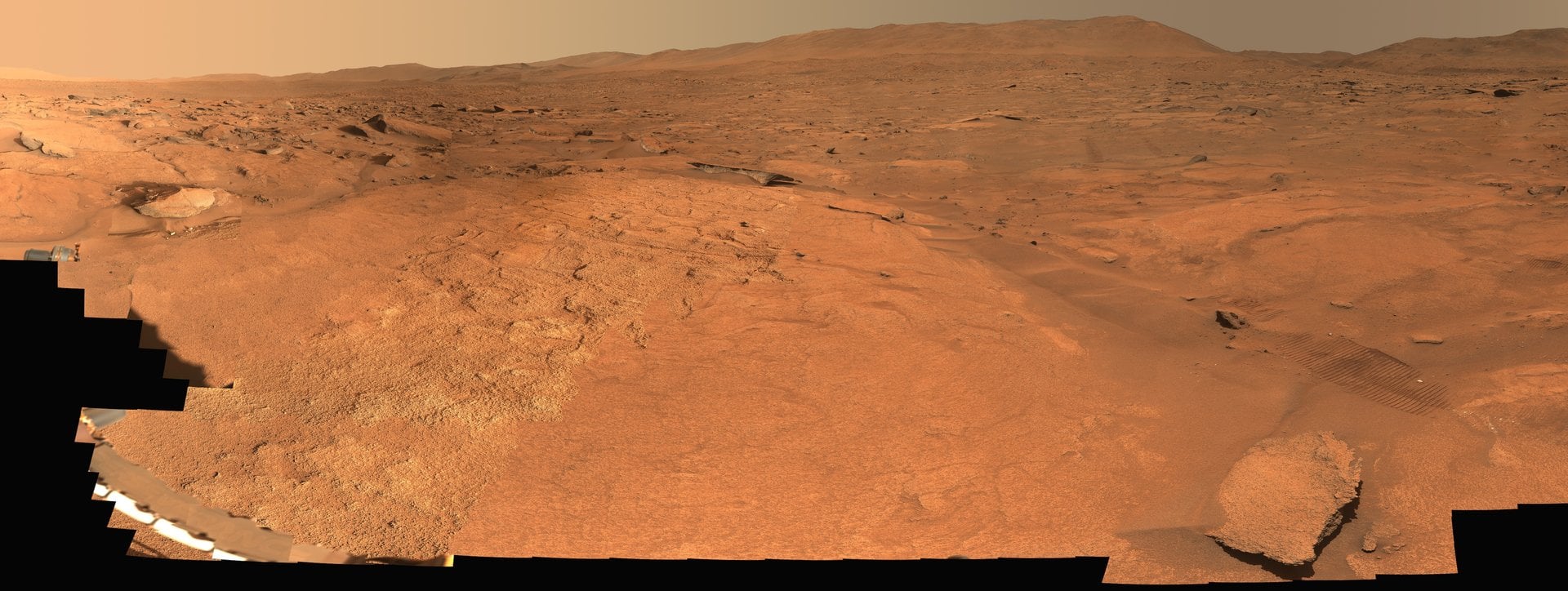
NASA's Perseverance rover has uncovered evidence that Jezero Crater experienced a far more complex water history than previously understood. A new analysis of data collected by the rover reveals that the crater's "Margin Unit," a distinctive geologic formation hugging the inner edge of the crater's rim, formed through the interaction of multiple water systems operating at different times.
The Margin Unit, first documented by Perseverance during observations between October 8 and 16, 2023, displays a layered composition that required a sequence of distinct hydrologic processes to create. Researchers identified evidence of ancient lakes, subsurface groundwater circulation, and hydrothermal fluid activity. This complexity transforms our understanding of early Mars' water systems from simple, episodic flooding to something far more dynamic and sustained.
Perseverance's instruments, including its Mastcam-Z imaging system, revealed mineralogical and textural clues embedded in the Margin Unit's rocks. The layering patterns and chemical signatures indicate that water repeatedly entered and exited the system over an extended period, driven by different mechanisms. Standing bodies of water left their mark through sediment deposition and mineral precipitation. Groundwater percolating through subsurface layers created additional alteration patterns. Hydrothermal fluids, heated by subsurface geothermal activity, left yet another signature in the rock record.
This discovery carries profound implications for understanding Mars' habitability. The presence of sustained water systems, particularly those involving hydrothermal circulation, provides the conditions necessary for microbial life. Hydrothermal environments on Earth, from deep ocean vents to subsurface aquifers, harbor thriving ecosystems. If similar conditions existed on early Mars within Jezero Crater, the chemical energy gradients created by mixing hot hydrothermal fluids with cooler groundwater could have supported life.
The finding also refines our knowledge of the crater's geologic timeline. Jezero Crater formed approximately 3.9 billion years ago as an impact structure. Within its walls sat a river delta where flowing water deposited sediment, creating the diverse mineral assemblages that initially attracted Perseverance to this landing site. The Margin Unit represents a later chapter in this story, forming after the dramatic delta-building phase. The evidence suggests that even as surface conditions grew drier, subsurface water systems persisted, indicating that Mars retained habitable niches longer than some models predicted.
Perseverance continues its traverse across Jezero's floor, collecting rock samples destined for return to Earth via NASA's Mars Sample Return campaign. These cached samples will allow laboratory analysis far more detailed than rover instruments can provide, potentially confirming the hydrothermal signatures detected remotely. Understanding the full scope of water delivery to Jezero Crater and the diverse chemical environments it created remains central to assessing whether Mars ever hosted life.
The complexity revealed by Perseverance demonstrates that early Mars was a world of active geology and persistent water, at least in certain locations. That insight reshapes the search strategy for ancient microbial biosignatures and informs future human exploration planning.