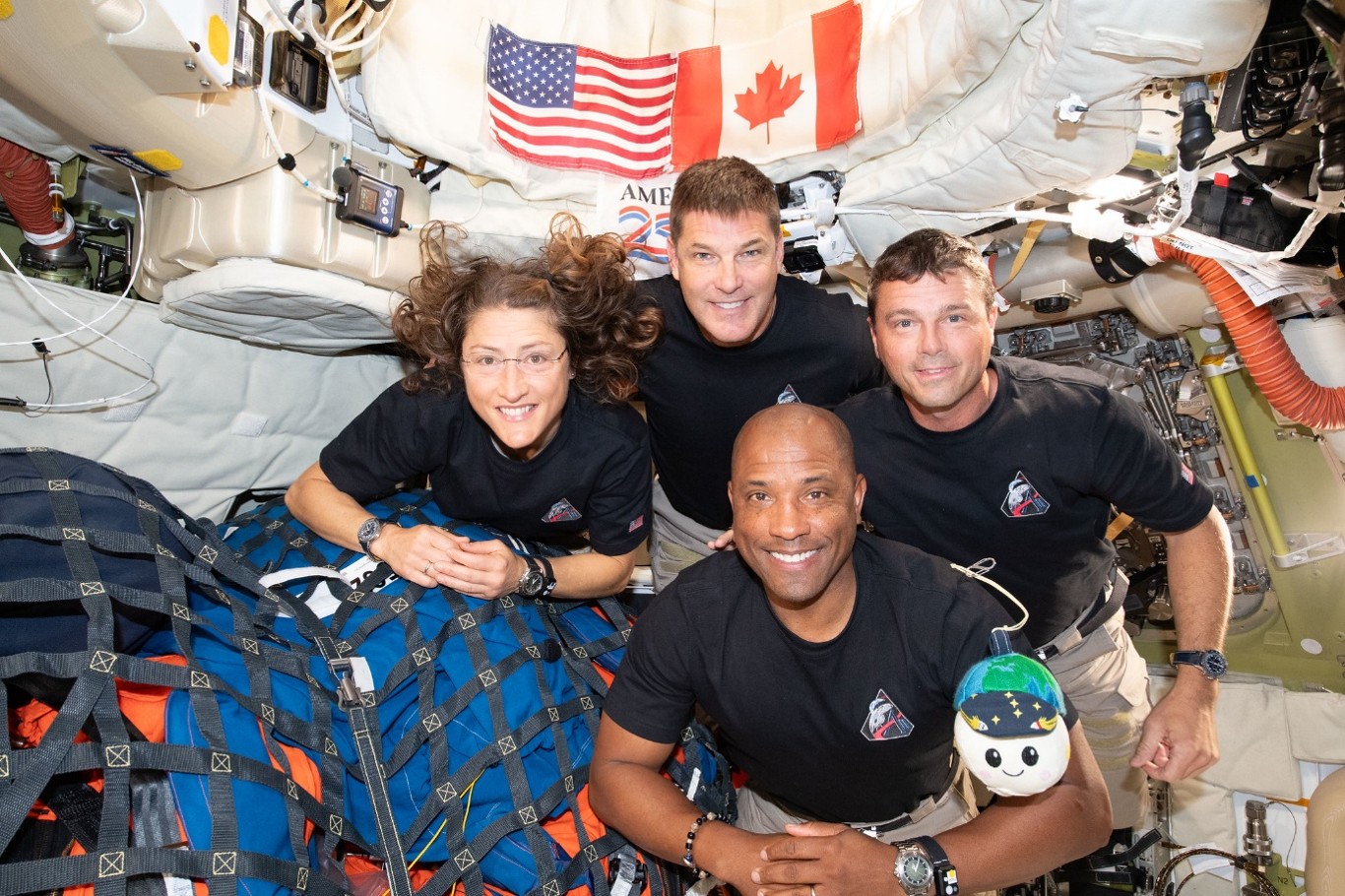
NASA's Artemis II crew will meet the public at the University of Houston in what marks their first Houston-area event since completing their lunar mission earlier this year. The four astronauts will discuss their experiences aboard the Orion spacecraft during the mission that carried them around the Moon.
The event represents a homecoming of sorts for the crew. Houston hosts NASA's Johnson Space Center, which serves as mission control for human spaceflight operations and houses the astronaut corps. The city holds deep historical significance in American spaceflight, dating back to the Apollo program when Mission Control operators guided astronauts to the lunar surface.
Artemis II launched in November 2022 and flew four crew members on a 10-day journey around the Moon without landing. The mission validated the Orion spacecraft's life support systems, heat shield, and navigation capabilities in preparation for Artemis III, scheduled for the mid-2020s, which will land astronauts on the lunar surface for the first time since Apollo 17 in 1972.
The crew composition reflects NASA's modern astronaut selection practices. The mission included astronauts from diverse backgrounds and represented the agency's commitment to expanding who participates in space exploration. Their journey tested hardware and procedures that will directly inform future crewed lunar operations.
Orion emerged as the centerpiece of NASA's lunar architecture under the Artemis program. The spacecraft underwent extensive testing before Artemis II, including uncrewed flights that validated its systems. The mission itself served as a dress rehearsal for lunar transit, ensuring that crew safety systems would function properly during the radiation-heavy environment of cislunar space.
The University of Houston event comes as NASA prepares for subsequent Artemis missions. Each flight builds on lessons learned from its predecessor. Artemis II specifically provided data on how the spacecraft performs with crew aboard during the demanding journey to lunar orbit and back.
Public engagement events like this one serve multiple purposes for the space agency. They build support for continued lunar exploration funding, inspire the next generation of scientists and engineers, and provide astronauts platforms to share their firsthand accounts of spaceflight. Direct interaction between experienced astronauts and the public creates tangible connections to space exploration that abstract mission statistics cannot replicate.
The Houston setting carries particular weight. Generations of astronauts have trained at Johnson Space Center, walked through the halls where Apollo mission control operated, and prepared for their own flights. The city itself remains central to American human spaceflight operations and training infrastructure.
NASA's lunar return remains anchored to a phased approach. Artemis II demonstrated the journey. Artemis III will attempt the landing. Subsequent missions will establish sustained presence at the lunar south pole, where water ice deposits exist in permanently shadowed craters, providing resources for future exploration deeper into the solar system.
The public event will allow Houston residents and space enthusiasts to hear directly from astronauts about their experiences in deep space, the performance of Orion, and what comes next for lunar exploration.