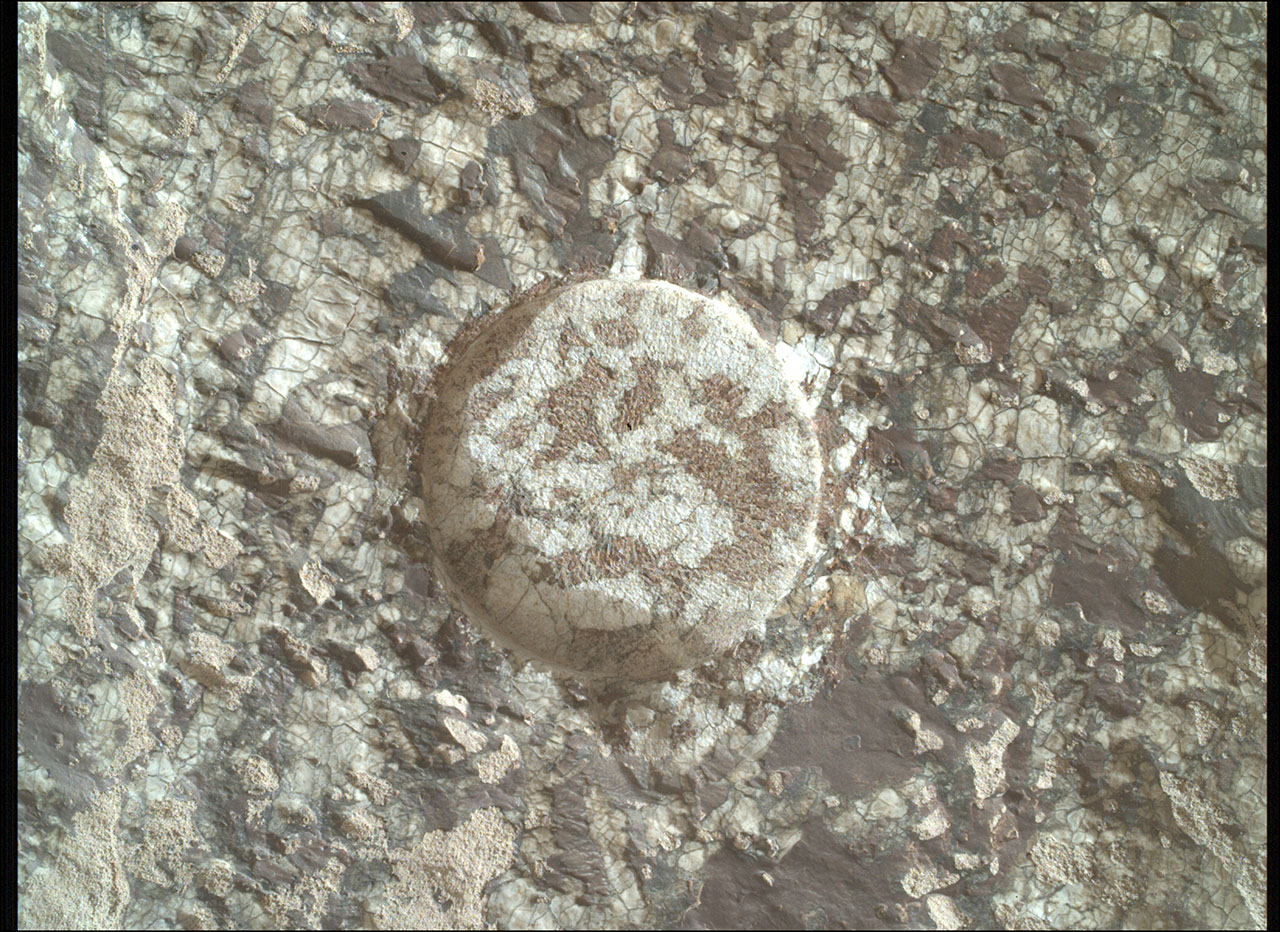
# Mars Has Its Charmes: Perseverance Rover Resumes Operations After Extended Pause
NASA's Perseverance rover has returned to active operations on Mars after an extended hiatus, with mission updates resuming in September 2026. The rover, which landed in Jezero Crater in February 2021, continues its search for signs of ancient microbial life while collecting samples for eventual return to Earth.
The pause in updates reflects the operational realities of Mars exploration. Communication windows between Earth and Mars shift periodically due to orbital mechanics, and dust storms occasionally force rovers into periods of reduced activity. Perseverance has weathered these challenges and emerged ready to resume its primary mission objectives.
The Perseverance rover represents the cutting edge of planetary exploration technology. Built by NASA's Jet Propulsion Laboratory, the six-wheeled rover carries ten scientific instruments including the Mastcam-Z imaging system, ground-penetrating radar, and an experimental oxygen-production device called MOXIE. Its sample caching system collects rock and soil specimens that will eventually be retrieved by the Mars Sample Return campaign, a joint NASA-ESA effort planned for the early 2030s.
Since landing, Perseverance has covered substantial ground across Jezero Crater, a 45-kilometer-wide impact basin selected because it once contained a river delta. That ancient water environment created ideal conditions for microbial life to exist billions of years ago. The rover's instruments have already identified organic molecules and chemical signatures consistent with ancient habitability, findings that reshape our understanding of Mars' past.
The rover's Ingenuity helicopter, which arrived as a technology demonstrator, has far exceeded expectations. Originally designed for five test flights, Ingenuity has completed over 60 flights, providing aerial reconnaissance that helps Perseverance plan routes and identify targets of scientific interest. This success has influenced NASA's thinking about future Mars exploration, with new helicopter designs already in development.
Perseverance's resumed operations come at a pivotal moment for Mars exploration. SpaceX continues development of Starship, designed to carry human crews to Mars. Meanwhile, China's Zhurong rover operates in Utopia Planitia, and the United Arab Emirates' Hope orbiter monitors the Martian atmosphere. The international activity underscores Mars' role as humanity's next major exploration frontier.
The rover's journey from Jezero's crater floor toward Mount Stimson at the crater's rim will take years. Each meter of travel yields data about Mars' geology, climate history, and potential for past life. The samples Perseverance collects will be analyzed by Earth-based laboratories with far greater analytical capability than any rover instrument. Organic molecules identified by Perseverance can be definitively characterized only through laboratory analysis here on Earth.
The resumption of Perseverance's updates matters beyond the science. Regular reports from Mars maintain public engagement with planetary exploration at a time when NASA faces budget pressures and competing priorities. Mars exploration requires sustained commitment across multiple administrations and decades. Public interest, fueled by tangible discoveries and rover updates, justifies that investment.
Perseverance will continue its methodical work through the 2020s, collecting samples and gathering data that will inform human mission planning. Each discovery about Mars' past habitability and current conditions brings us closer to answering whether microbial life ever existed on Mars and whether humans can eventually live there. The rover's resumed operations keep that ambitious goal within reach.