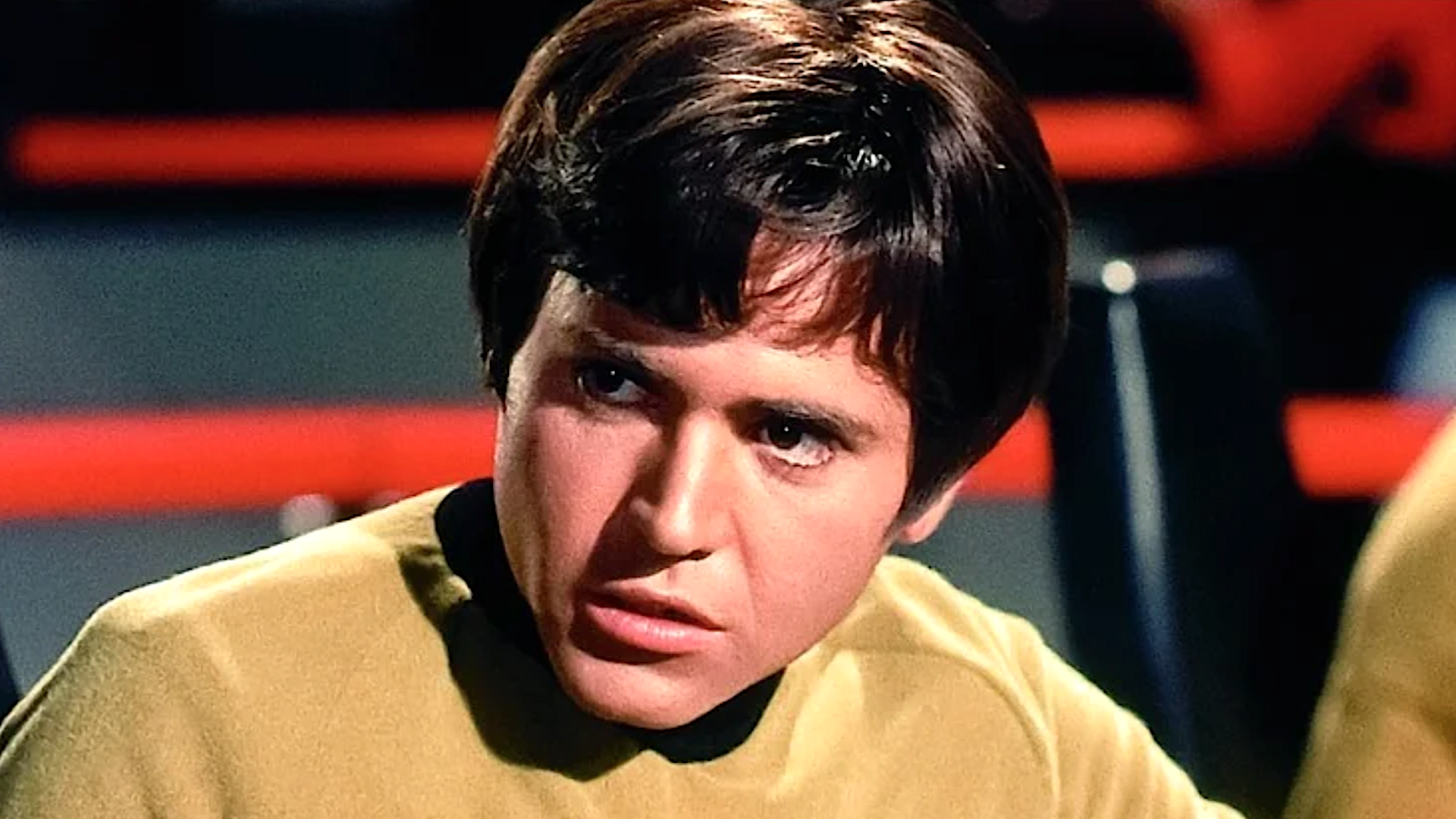
Walter Koenig, the actor who brought Pavel Chekov to life on the bridge of the U.S.S. Enterprise across five decades, died at 90. His passing marks the loss of one of the last surviving original cast members from Star Trek, the 1966 television series that transformed science fiction from niche television into a cultural institution.
Koenig joined Star Trek in its second season, 1967, when the show needed to boost ratings among younger viewers. Network executives asked creator Gene Roddenberry to add a Russian character to capitalize on the space race and Cold War tensions. Koenig seized the role of Chekov, the Enterprise's navigator, and transformed what could have been a tokenistic character into something more. His portrayal of the enthusiastic, ambitious junior officer became essential to the chemistry that made the original series endure.
The Enterprise's command deck relied on a specific ensemble dynamic. Captain James T. Kirk commanded the action. Spock provided logical counterweight. Bones McCoy offered emotional perspective. Scotty managed the engines. Uhura handled communications. Chekov represented youth and aspiration, the bridge officer most viewers could see themselves as. Koenig brought an electric energy to the role that contrasted with Leonard Nimoy's composed logic and William Shatner's theatrical command.
Koenig's 60-year career extended far beyond Star Trek. He worked in theater before television discovered him. He appeared in films and television series throughout the 1960s and beyond. But Chekov defined his place in popular culture and entertainment history. He reprised the role in seven Star Trek films, beginning with Star Trek: The Motion Picture in 1979. He appeared in the original series' 79 episodes and multiple animated series.
Star Trek itself launched a franchise that now includes ten television series, thirteen films, books, games, and merchandise spanning billions in revenue. The show's vision of a future where nations work together to explore space, where diverse crews collaborate on starships, influenced multiple generations of scientists, engineers, and astronauts. Koenig's Chekov embodied that aspirational future, a character who advanced through talent and dedication in a meritocratic Starfleet.
The original Star Trek cast has diminished over decades. James Doohan died in 2005. DeForest Kelley died in 1999. James T. Kirk himself, William Shatner, is 92. Nichelle Nichols, who played communications officer Uhura, died in 2022. Koenig's death removes another link to the show's foundational moment, when television science fiction still felt genuinely speculative rather than established franchise.
Star Trek's influence on actual space exploration remains documented. NASA's Space Shuttle Enterprise was named after the starship. Multiple astronauts cite Star Trek as inspiration for their careers. The show's optimistic vision of humanity's future in space shaped how generations understood their relationship to the cosmos. Koenig's Chekov, youthful and engaged, represented that optimism, the belief that younger generations would inherit a universe of exploration and discovery. His portrayal created a bridge between television entertainment and genuine human aspiration toward space.