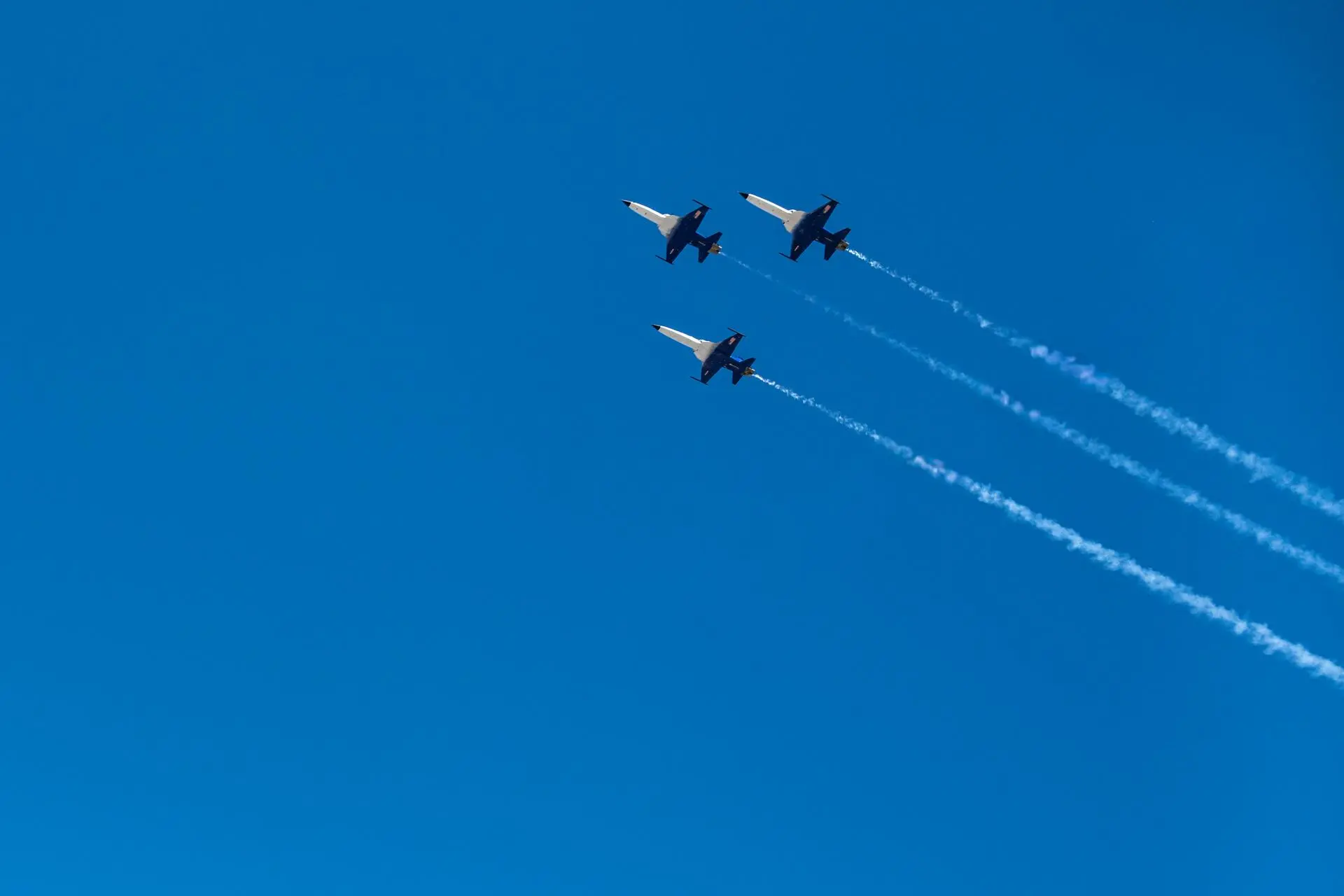
NASA is bringing its most ambitious aerospace technologies to Kennedy Space Center this weekend for MAX POWER, an event running from Friday, Nov. 6, through Sunday, Nov. 8, that promises to display the quiet supersonic X-59 plane, Moon rovers, spacecraft, and autonomous vehicles that will shape the future of air and space exploration. The agency is also unveiling its latest lunar ambitions during a news conference at 5 p.m. on Nov. 7, where it will provide an update on the Moon Base—humanity's first outpost for long-term exploration located near the lunar South Pole. This should be a landmark moment for public engagement with NASA's most consequential work.
Yet NASA has made a puzzling decision that undermines this opportunity: media credentialing for MAX POWER is already closed. The agency is not welcoming journalists on an open basis to cover the event, instead requiring that all media request interviews in advance and participate on a limited, first-come, first-served basis for the news conference itself. This is a significant departure from how major aerospace events typically operate and raises questions about NASA's commitment to transparency during a crucial moment of public outreach.
The restrictions are particularly frustrating given the scope of what MAX POWER represents. This is described as America's newest aerospace expo and air show, featuring not just NASA hardware but also external collaborators showcasing cutting-edge technologies. The public gates open at 9 a.m. on Nov. 7 and Nov. 8, making this a family-friendly event designed for broad engagement. Yet the media—the crucial intermediary between NASA's work and the public understanding of that work—face artificial barriers to coverage.
NASA should reconsider this approach before the weekend begins. Open credentialing would allow journalists to provide comprehensive, real-time coverage of the Moon Base announcement and the X-59 demonstration to audiences nationwide. The agency offers virtual participation options and livestreaming on multiple platforms, but these are insufficient substitutes for on-site reporting that captures the energy and significance of the event. Media approved for attendance should not have to compete for limited space or request interviews in advance as though accessing classified information.
The agency's intent to share multiple news updates over the weekend is commendable, and the contact information provided to Lauren Low in the NASA Headquarters newsroom at lauren.e.low@nasa.gov suggests staff are prepared to handle media inquiries. But preparation means little if the fundamental access is restricted. MAX POWER represents NASA at its most innovative and ambitious. The American public deserves full, open media coverage of that innovation. NASA should restore credentialing and let journalism do its job.