A SpaceX Falcon 9 upper stage struck the Moon on Aug. 5, creating a visible impact crater captured in images from NASA's Lunar Reconnaissance Orbiter and South Korea's Danuri spacecraft. The rocket stage, which launched in 2025 to deliver two landers, collided with the lunar surface after solar activity and gravitational forces altered its trajectory. According to a SpaceX official, the combination of these forces put the rocket on a collision course with the Moon.
Rocket stages have struck the Moon previously, including several from Saturn V rockets during the Apollo program. In 2009, NASA intentionally crashed a probe and upper stage into the Moon as part of the LCROSS mission, which confirmed water ice near the lunar south pole.
Separately, Katalyst Space reported losing partial control of its LINK spacecraft on July 3. The craft was tasked with raising the orbit of NASA's Neil Gehrels Swift Observatory to prevent it from burning up in Earth's atmosphere. Swift, which launched in 2004, remains in danger unless Katalyst can restore control and complete the mission.
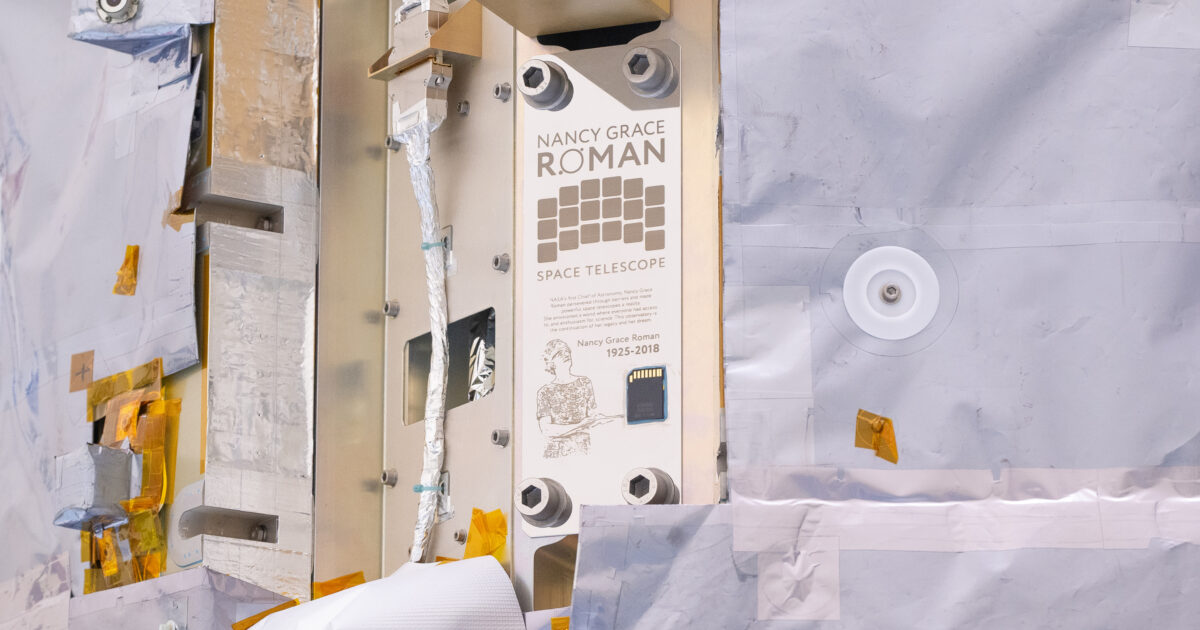
The Nancy Grace Roman Space Telescope received a memorial plaque honoring NASA's first chief astronomer. The plaque also contains a memory card with over 1 million names from around the world. The telescope is scheduled to launch on Aug. 30.