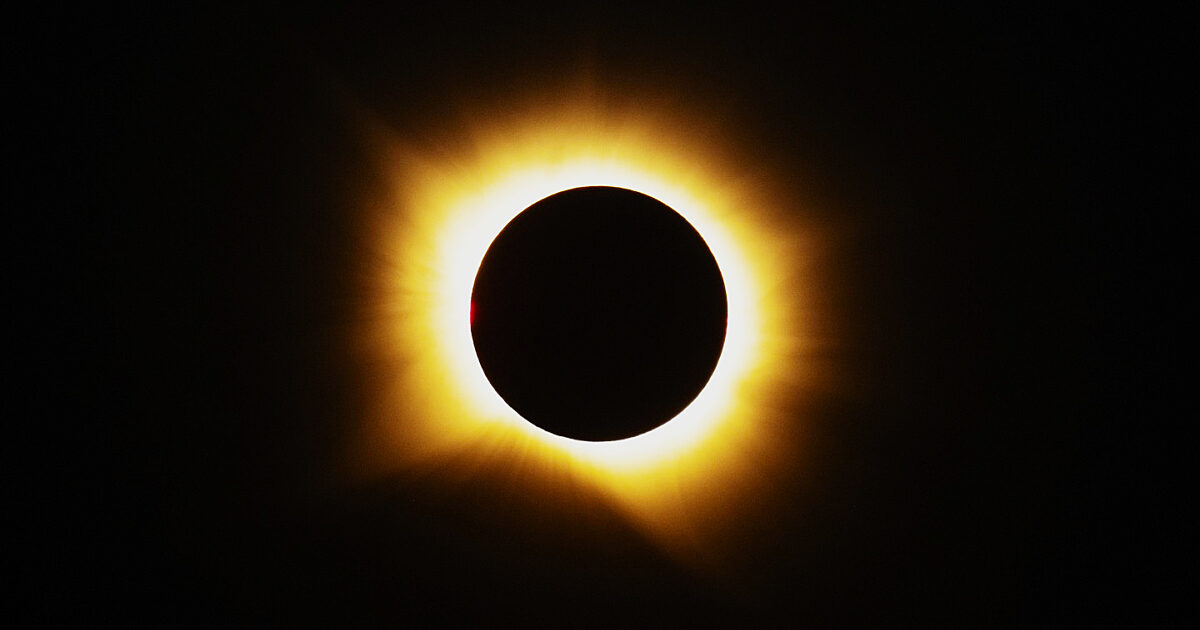
A total solar eclipse on August 14, 2026, crossed Iceland and Spain, marking the first total solar eclipse visible from continental Europe this century. Partial eclipse views reached parts of North America and Europe.
NASA and the European Space Agency deployed jets to chase the Moon's shadow during the eclipse. The space agencies flew along the path of totality with automated instruments to measure the Sun's outer atmosphere, which becomes easier to observe during total eclipse conditions.
The next total solar eclipse occurs on August 2, 2027, sweeping through parts of Europe, Africa, and the Middle East. That eclipse will offer the longest totality visible from land this century.
A radiation-shielding vest flown aboard NASA's Artemis I mission shows promise for protecting future astronauts. The mannequin-like experiment wore a specially designed vest made of high-density polyethylene. A new study indicates the vest effectively blocked radiation and could protect crews from sudden bursts of solar radiation during long voyages.
The European Space Agency announced plans to convert some Gateway space station contributions into three lunar missions through a NASA commercial contract program, plus a potential standalone communications satellite near the Moon. This shift follows the indefinite hold placed on the Gateway as part of major Artemis program revisions. The Canadian Space Agency said it would adapt its Canadarm3 robotic arm for commercial space stations.