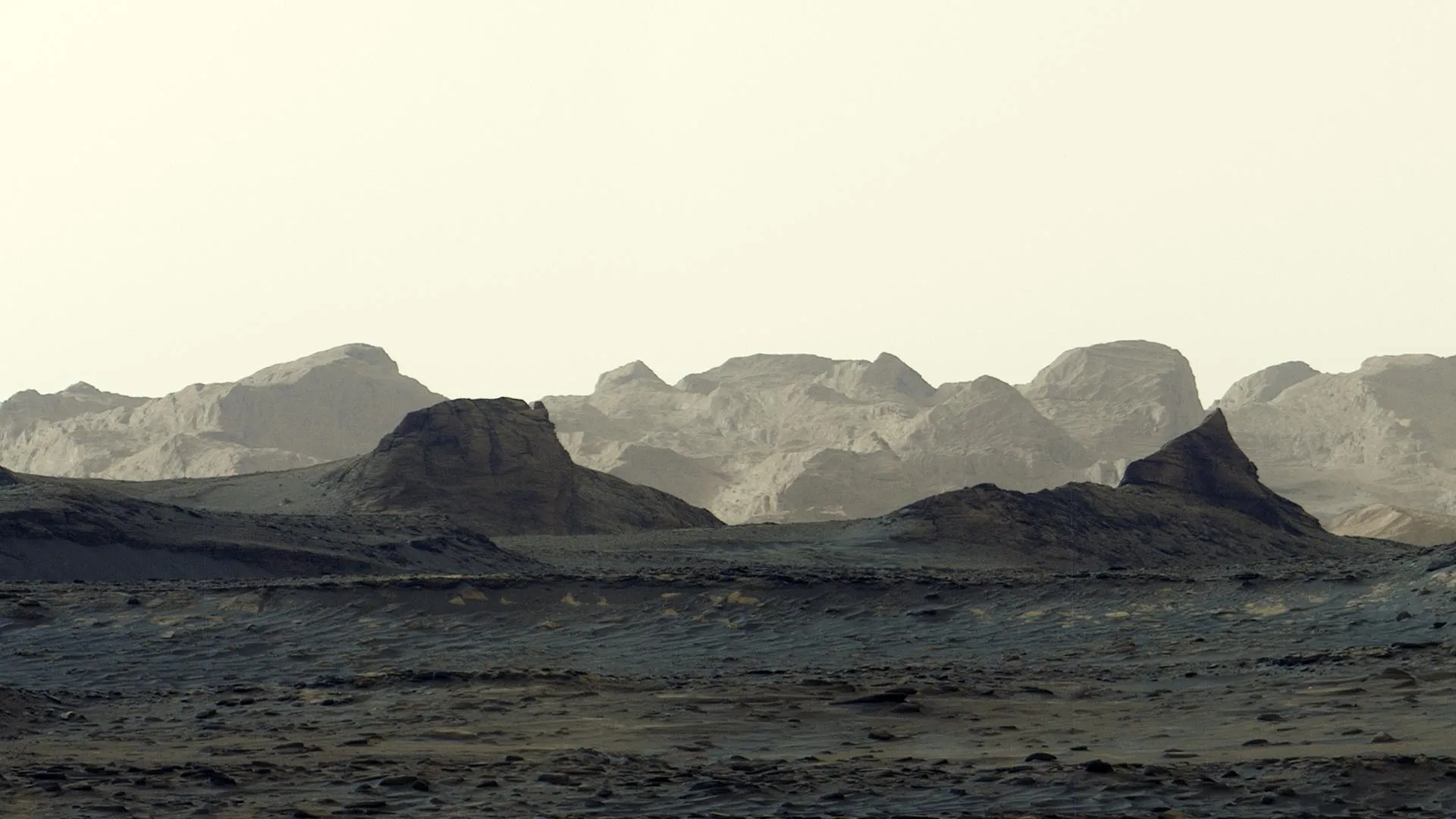
NASA's Curiosity rover captured a panoramic image of Mars on August 11 during its 4,982nd Martian day, revealing wind-carved cliffs called yardangs stretching 10 miles across the northwestern portion of Mount Sharp. The Mastcam recorded six separate photographs without white balancing, preserving the distinctive blue tones and morning lighting of the Martian scene.
The yardangs occupy an unusual layer on Mount Sharp, a 3-mile-tall mountain Curiosity has been climbing since 2014. The rover recently gained 0.6 miles in elevation, exceeding the climb of any other rover on Mars. The mysterious cliff layer differs in color from surrounding terrain, with rock layers tilted at unexpected angles.
"The yardang layer looks out of place. It's the wrong color, the layers tilt at an odd angle, and it almost appears plastered on," said Ashwin Vasavada, Curiosity project scientist at NASA's Jet Propulsion Laboratory. "But that's what makes it exciting to reach. No one is sure exactly what created this layer, but one idea is it may be ash deposited by ancient volcanic eruptions."
Mount Sharp's sedimentary rock layers preserve evidence from different periods of Martian history. Researchers believe the formations developed after bodies of water that once existed in this region billions of years ago disappeared, leaving deposits of salty minerals. Powerful winds may have then eroded the rock to carve the yardangs, though scientists suspect additional processes shaped this particular layer.
Over the next year, Curiosity will continue traveling through rock layers containing sulfates and carbonates, minerals indicating ancient drying conditions. Mission scientists plan to reach the base of the yardang formations in 2027, where the rover's robotic arm can examine the cliffs directly and gather measurements to determine their formation and reveal more about Mars' environmental history.