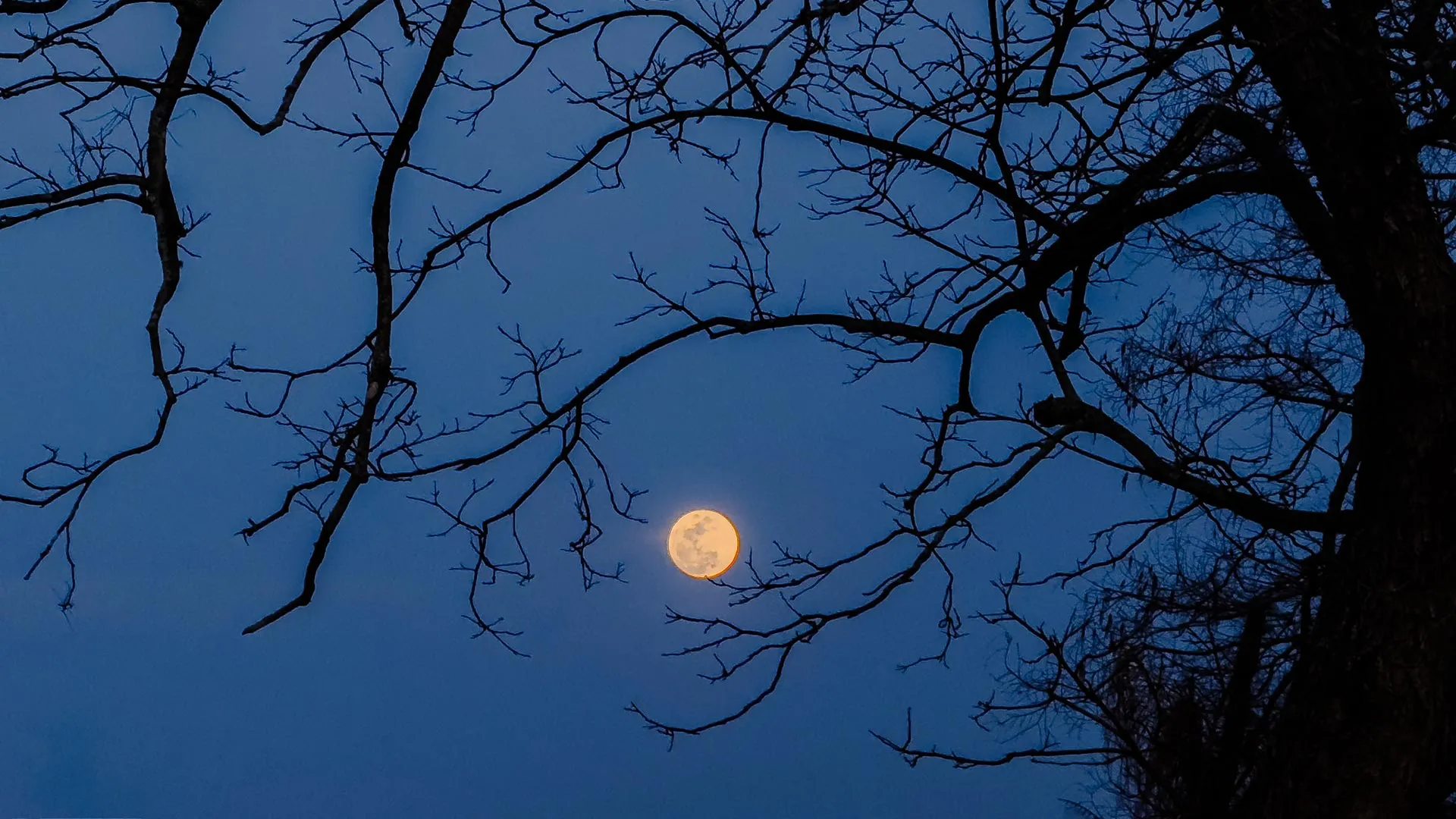
October offers four major celestial events for skywatchers. Jupiter will slip behind the Moon on October 6 in a lunar occultation, remaining hidden for approximately an hour before reappearing. The event will be visible to the naked eye across parts of eastern and central North America, though binoculars will provide better detail, potentially revealing Jupiter's moons disappearing behind the lunar edge.
The Draconid meteor shower peaks on the evening of October 8 and into the early hours of October 9, with favorable viewing beginning around 9 p.m. EDT. Unlike many meteor showers, the Draconids are best observed soon after nightfall. The Moon will be approaching its new phase, reducing moonlight and making even faint meteors easier to detect. The shower typically produces only a handful of visible meteors each hour.
The Orionid meteor shower reaches its peak on October 21. These meteors originate from debris left behind by Halley's Comet. NASA estimates that observers in suburban areas may see approximately 3 to 6 meteors each hour, with darker locations offering better viewing. The Moon will be in its waxing gibbous phase and could make dimmer meteors difficult to spot, but viewing conditions should improve after the Moon sets around 3 a.m. local time.
October's Hunter's Moon reaches its full phase on October 26 in Universal Time, appearing full on the evening of October 25 for most of North America. The name comes from autumn hunting traditions when bright moonlight helped hunters locate animals after sunset as daylight hours shortened.