Astronauts flew around the Moon in 2026 for the first time in more than 50 years. The Planetary Society covered the Artemis II mission across multiple platforms, reaching millions of people globally.
The organization's Artemis II videos generated more than 6 million views across Instagram and YouTube combined. A reaction video filmed at Cape Canaveral reached 3.5 million views on Instagram and 1.5 million on YouTube. Planetary Radio's eight-episode Artemis series topped 99,000 downloads. The Planetary Society's experts made 37 television appearances during the mission, including appearances on PBS NewsHour comparing Artemis to Apollo. Coverage drove 174,000 website views in April alone.
Planetary Radio host Sarah Al-Ahmed reached nearly 1.4 million listeners with interviews featuring astronaut Eileen Collins and astrophotographer Andrew McCarthy. The show broadcast live from JPL Mission Control with JPL Chief Scientist Jonathan Lunine.
The Planetary Society's quarterly magazine, The Planetary Report, covered comets, the Kuiper belt, the Nancy Grace Roman Space Telescope, and Mars missions throughout the year. The December issue included a fold-out collection of 2026's space images and an interview with space artist Don Davis about his Voyager 1 painting.
For the August 12 total solar eclipse visible from Western Europe, the organization built a multilingual eclipse hub in English, French, German, and Spanish. Resources were cited by CNN, CNN en Español, and USA Today.
Two new children's books by Chief Scientist Bruce Betts reached approximately 800,000 kids through U.S. libraries. Random Space Facts videos with Betts surpassed 2.2 million views on Epic, a digital library platform.
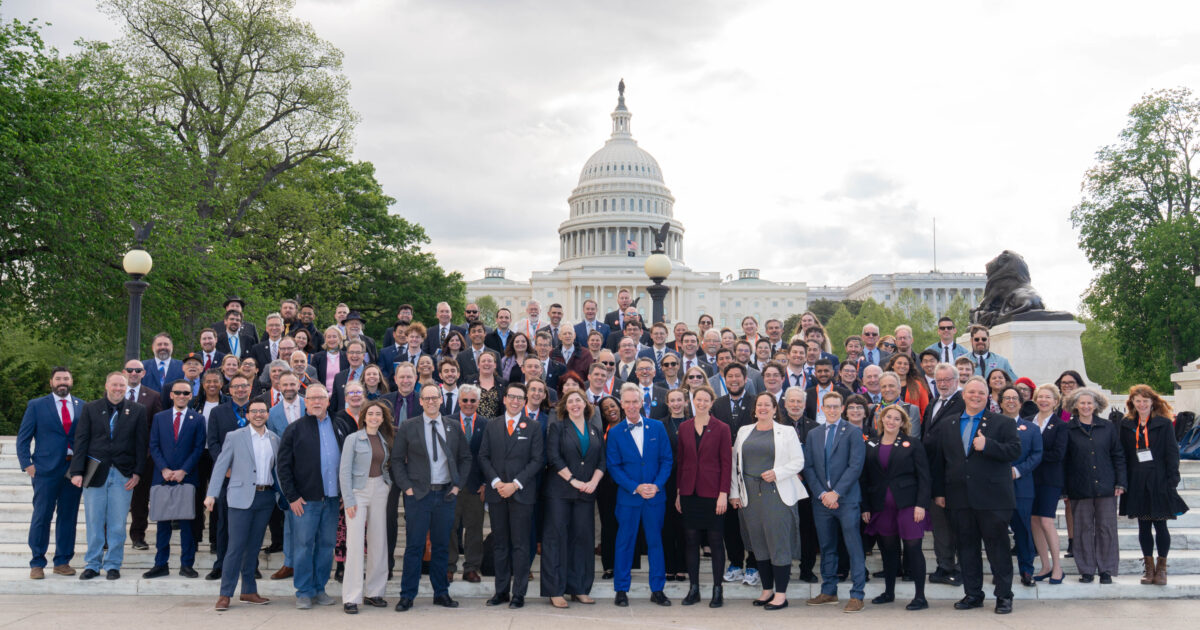
The Downlink, a free weekly newsletter, delivered to more than 100,000 inboxes. More than 130 advocates met with Congress members on April 20.