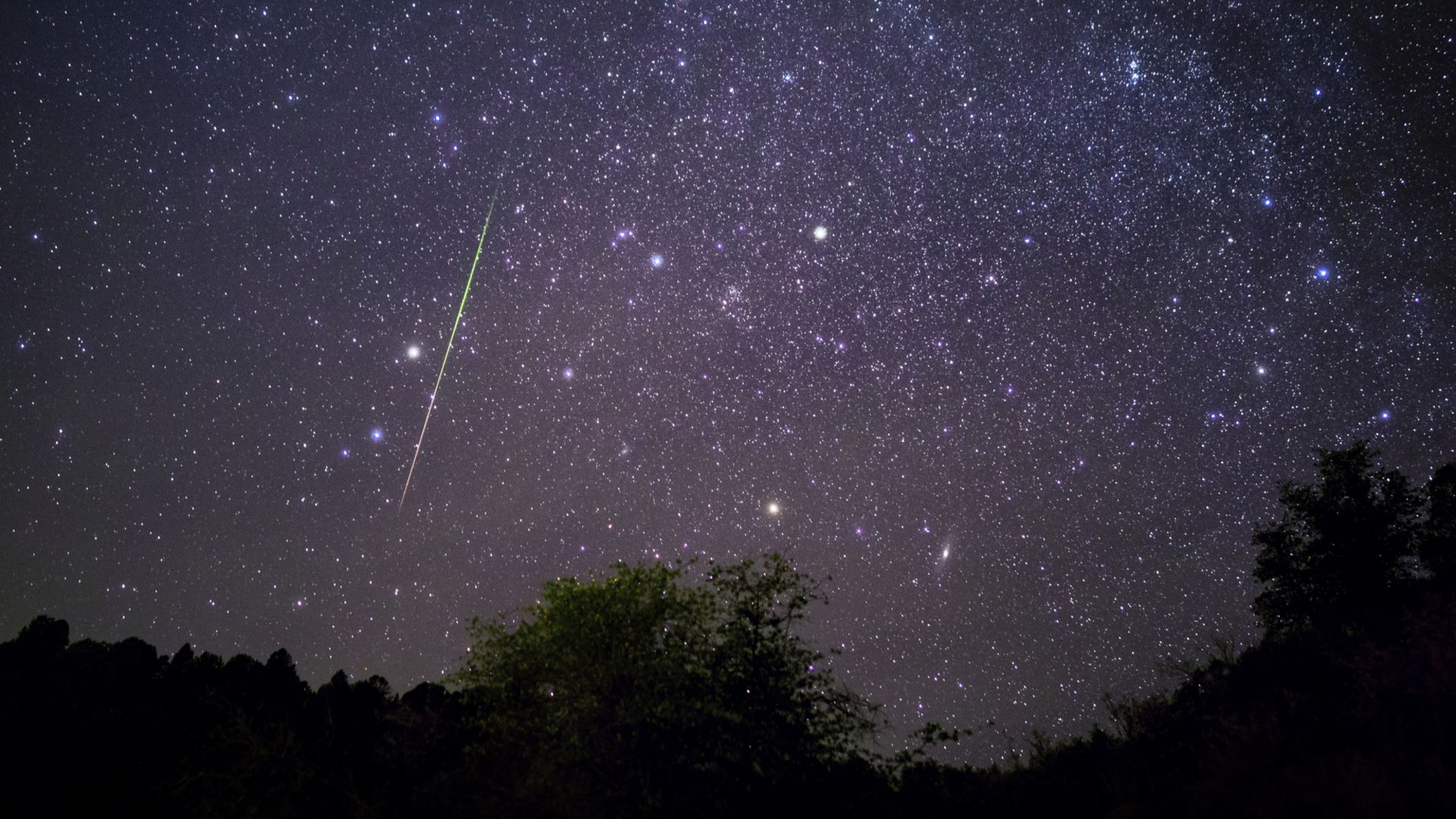
Earth passes through debris from Comet 55P/Tempel-Tuttle on November 17-18, producing the Leonid meteor shower. The International Meteor Organisation predicts up to 15 meteors per hour under ideal dark sky conditions. NASA estimates a more conservative rate of less than three meteors per hour.
The best viewing window opens in the hours before dawn on November 18, when the radiant in the constellation Leo reaches its highest point in the southeastern sky. By then, the waxing moon will have set, darkening skies and revealing fainter meteors. Observers should locate a patch of sky slightly away from Leo's position rather than directly at the radiant. Eyes need 20-30 minutes to adapt to darkness.
The Leonid shower produces fireballs and long-lasting Earth-grazing meteors that strike the atmosphere at oblique angles, leaving extended trails. These occur when Earth encounters dense debris trails left by Comet 55P/Tempel-Tuttle, which orbits the sun every 33 years. The Planetary Society indicates another Leonid meteor storm could arrive as early as 2031. A study released in August 2026 predicts potentially spectacular displays in 2033 and 2034.