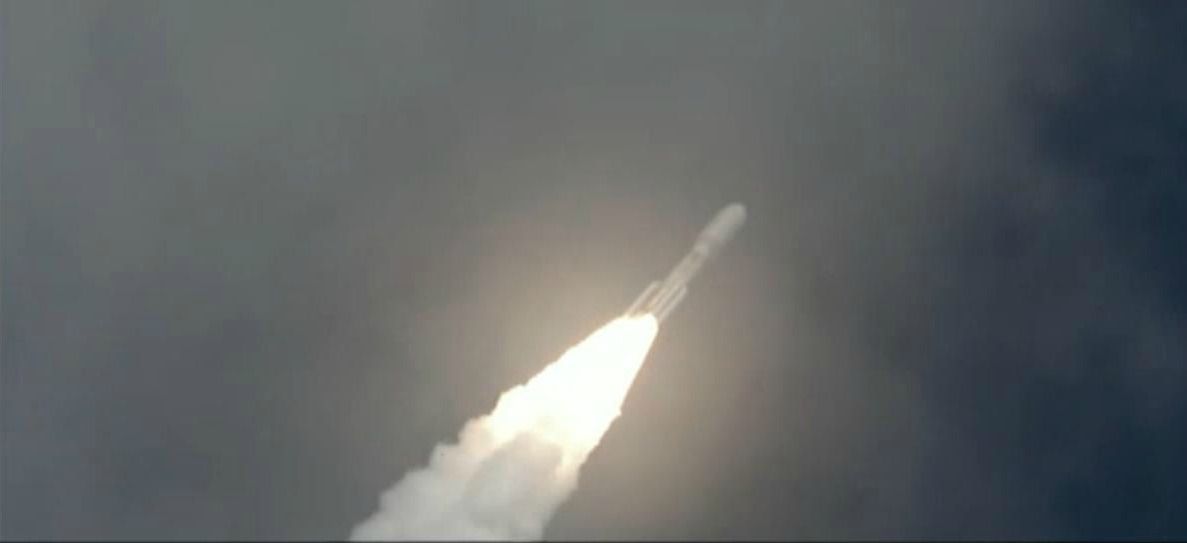
On November 26, 2011, NASA launched the Curiosity rover to Mars aboard a United Launch Alliance Atlas V rocket from Cape Canaveral Air Force Station in Florida. The 2-ton nuclear-powered rover, about the size of a small SUV, was the largest and most powerful Mars rover ever sent to the Red Planet at that time.
Curiosity's mission was to search for habitable environments on Mars or evidence that the planet could have supported life in the past. The rover used a plutonium-based radioisotope thermoelectric generator to convert heat from radioactive decay into power.
About nine months after launch, Curiosity executed a challenging landing using a sky crane system, a novel fully automated technology that gently lowered the rover to the surface of Gale Crater in August 2012. Within weeks of its successful touchdown, Curiosity found evidence of ancient running water on Mars. The rover later discovered organic molecules on the planet as well.
Curiosity's primary mission was expected to last one Martian year, roughly two Earth years. NASA extended the mission as the rover continued operating in good health. The rover outlasted its original timeline long enough to witness the arrival of NASA's Perseverance rover in February 2021. Perseverance used the same basic 2-ton design, plutonium power system, and sky crane landing technology.