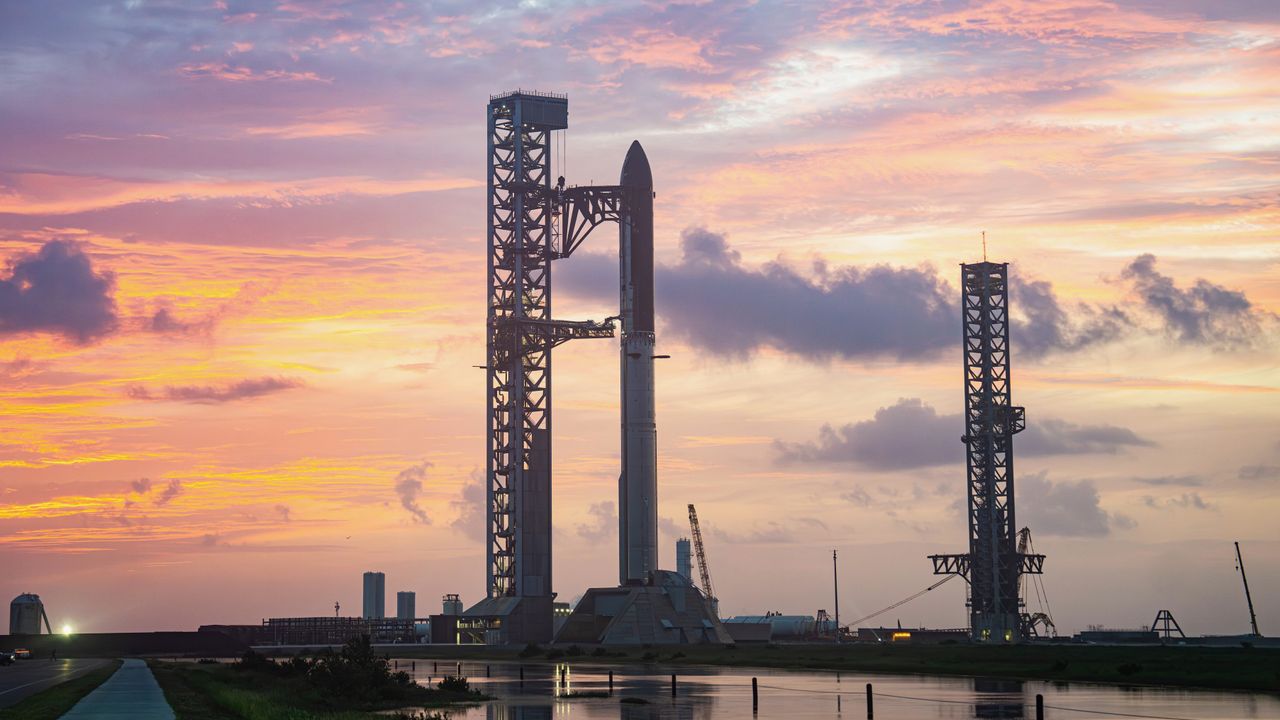
SpaceX will attempt to launch Starship Flight 13 on July 23 after scrubbing the previous launch attempt on July 16. The world's most powerful rocket underwent a last-second abort during its initial July 16 countdown, delaying the test flight by one week.
Flight 13 represents a critical test in SpaceX's development program for Starship, the fully reusable launch system designed to carry crews and cargo to the Moon, Mars, and beyond. Each successive test flight builds on data from previous attempts, pushing the vehicle toward operational readiness for NASA's Artemis lunar missions and SpaceX's own deep space exploration objectives.
The July 16 abort likely resulted from technical checks that flagged issues requiring resolution before launch. SpaceX routinely aborts countdowns when systems fail to meet flight readiness criteria, prioritizing vehicle and crew safety protocols. The engineering teams used the week-long delay to diagnose and resolve whatever triggered the automatic hold.
Starship consists of the Super Heavy booster and the Starship upper stage, standing approximately 400 feet tall. The test program focuses on validating systems across multiple flight regimes, from liftoff through orbital mechanics, re-entry procedures, and controlled landing attempts. Each flight generates telemetry that informs design refinements and operational tactics.
SpaceX has progressively achieved more ambitious objectives across previous Starship flights. Early tests focused on clearing the launch pad. Later flights achieved booster catch attempts, upper stage re-entry, and controlled ocean splashdowns. Flight 13 likely targets incremental advances in these capabilities, whether through extended flight duration, refined guidance systems, or refined booster recovery procedures.
The company operates under an accelerated testing cadence at its Starbase facility in South Texas, conducting multiple launches within compressed timeframes. This rapid iteration approach allows SpaceX