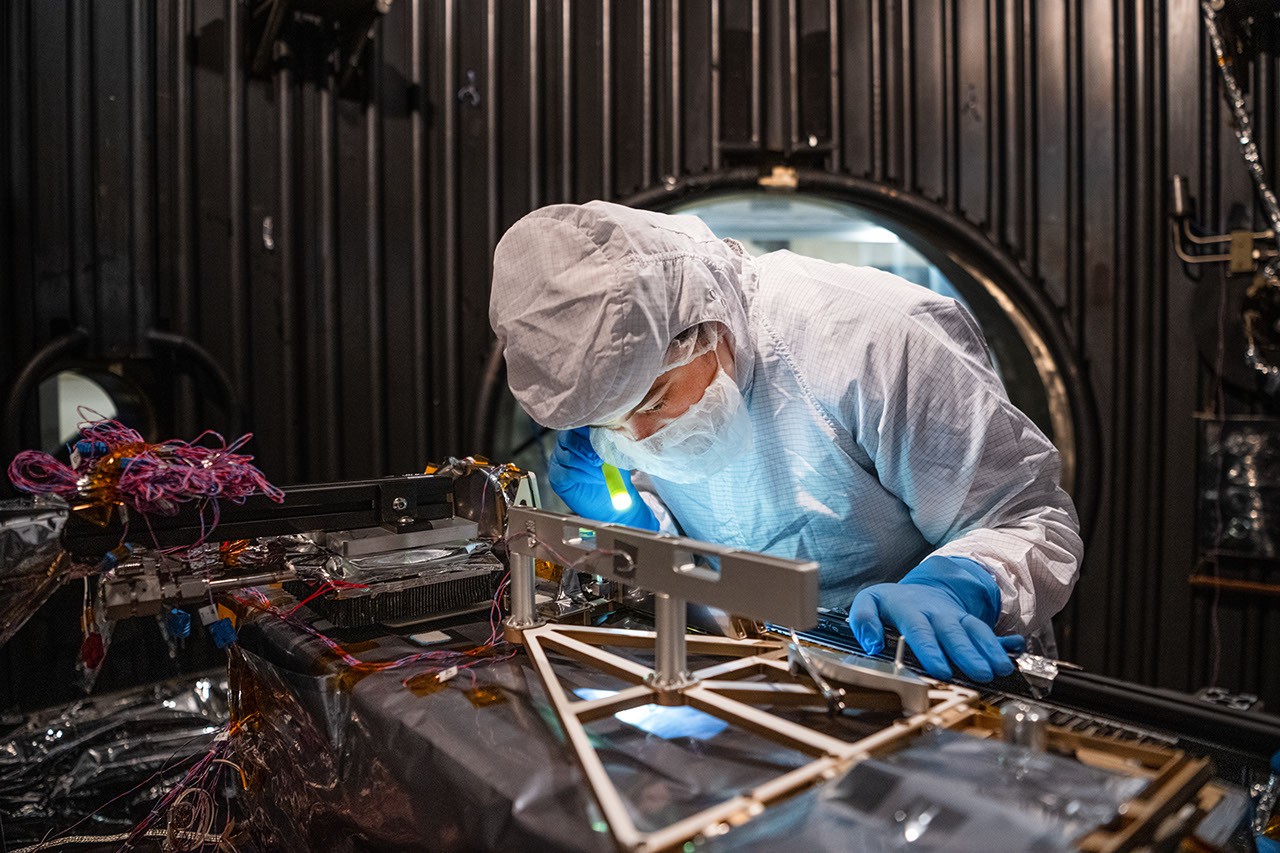
NASA completed construction and testing of the Lunar Environment Monitoring Station, a science instrument Artemis astronauts will deploy on the Moon's surface near the South Pole. LEMS represents the first fully finished payload designed specifically for human lunar installation under the Artemis program.
The instrument monitors environmental conditions across the lunar surface. Data from LEMS will track temperature fluctuations, radiation levels, and dust behavior in the extreme conditions near the South Pole, where NASA plans to establish a sustained human presence. This region experiences prolonged darkness and temperatures that swing hundreds of degrees between sunlit and shadowed areas.
Engineers completed the hardware development and full testing cycle, clearing LEMS for integration into mission hardware and eventual deployment by Artemis astronauts. The payload's readiness marks a tangible step forward in Artemis logistics. Unlike robotic landers, human-deployed instruments allow astronauts to position sensors in optimal locations and conduct real-time maintenance and upgrades during lunar surface operations.
LEMS data serves multiple purposes. It characterizes the South Pole environment for planning long-duration human missions and habitats. The radiation and thermal measurements inform suit design and life support requirements. Understanding surface dust behavior matters for protecting equipment and astronauts from abrasive lunar regolith.
The South Pole location holds strategic value for Artemis. Water ice deposits in permanently shadowed craters there represent potential fuel and water sources for extended lunar operations. LEMS will operate continuously, providing environmental baseline data as NASA develops infrastructure for sustained presence beyond the Apollo era.
This completion demonstrates that Artemis hardware development continues advancing despite program timelines shifting in recent years. Each finished payload brings the program closer to the surface operations phase, when astronauts will begin the systematic scientific and infrastructural work of establishing a lunar foothold for eventual Mars exploration.