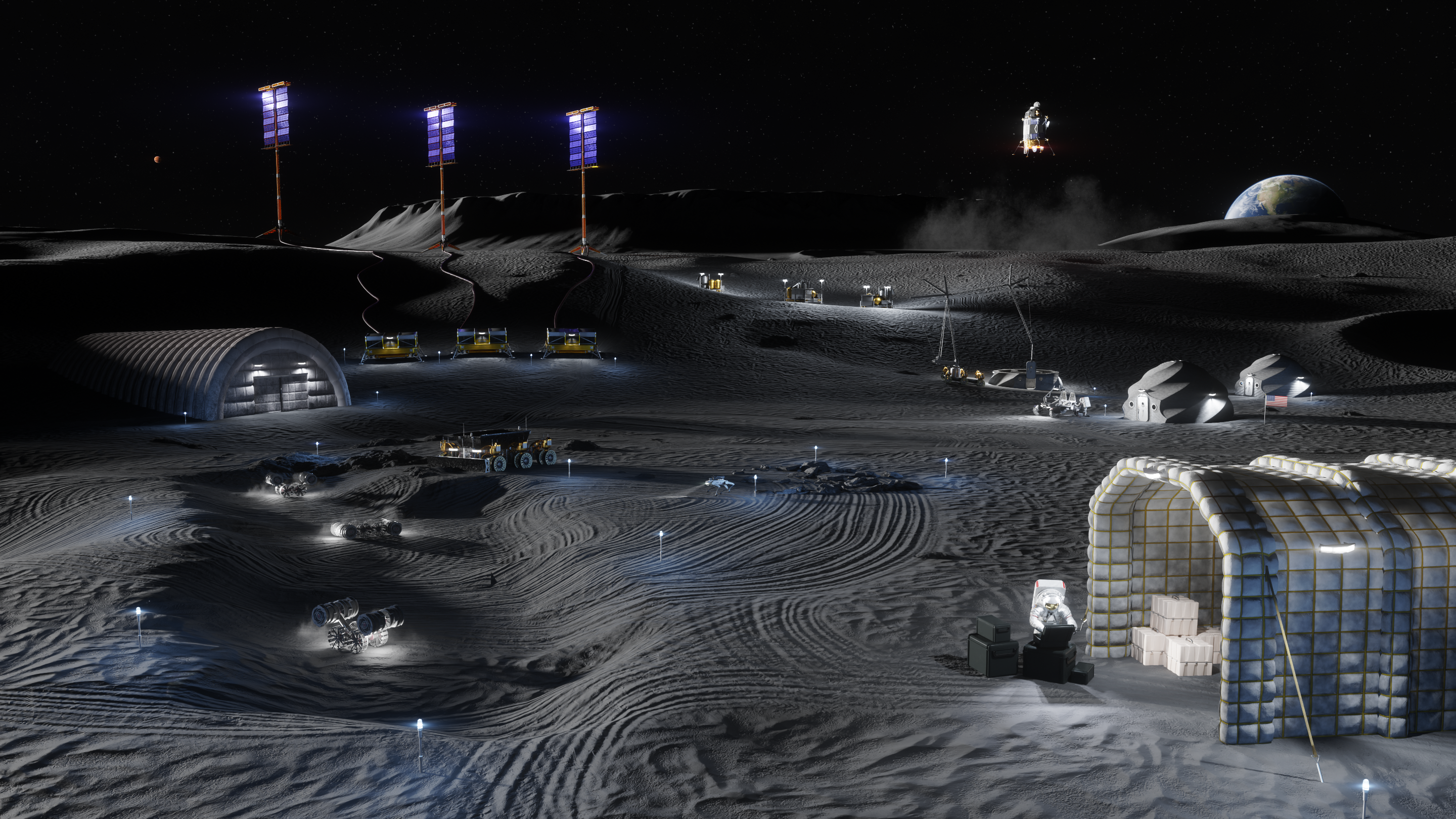
NASA has opened applications for the 2027 RASC-AL (Revolutionary Aerospace Systems Concepts – Academic Linkage) competition, calling on U.S. collegiate teams to develop innovative concepts for lunar operations and technologies. The agency uses this biennial challenge to crowdsource ideas from the next generation of aerospace engineers and designers about how humans might live and work on the Moon.
RASC-AL competitions have a track record of identifying genuinely novel approaches to space exploration problems. Teams submit detailed technical proposals that NASA evaluates for feasibility, creativity, and applicability to actual mission planning. The competition bridges the gap between academic research and practical space architecture, with winning concepts sometimes influencing real NASA programs.
The 2027 competition theme centers on lunar technology innovation. Student teams will compete to envision operational frameworks and hardware solutions that could support sustained human presence on the Moon. This aligns with NASA's Artemis program, which aims to return astronauts to the lunar surface and establish infrastructure for long-term exploration. The agency needs fresh perspectives on life support systems, habitat design, resource utilization, construction techniques, power generation, transportation networks, and scientific instruments tailored for lunar environments.
Previous RASC-AL competitions have produced concepts ranging from advanced rover designs to in-situ resource utilization strategies to novel approaches for lunar base construction. Teams typically include students from engineering, architecture, materials science, and related disciplines. The collaborative nature of these competitions mirrors real aerospace development, where success requires interdisciplinary expertise.
Participation offers students direct engagement with NASA engineers and scientists who serve as technical evaluators. Winners receive recognition, funding, and opportunities to present their work at aerospace conferences. More broadly, RASC-AL competitions help NASA identify emerging talent pools and test whether academic researchers have developed technologies or methodologies the agency should monitor.
The lunar focus reflects NASA's strategic priorities. The Moon serves as both a destination and a testing ground for technologies needed for eventual Mars missions. Operations concepts developed for lunar surface work, including dust mitigation, thermal management, and autonomous systems, translate directly to interplanetary exploration. By soliciting student input now, NASA gathers innovative thinking that shapes hardware development and operational planning for missions launching in the 2030s and beyond.
Collegiate teams must register by published deadlines and submit comprehensive proposals covering their technical approach, resource requirements, risk mitigation, and validation methodology. Judging emphasizes originality, technical depth, and readiness for implementation. The competition format encourages teams to think beyond incremental improvements and propose genuinely transformative concepts.
This competition model has proven effective for NASA across decades. Student teams often propose solutions that professional engineers might overlook because they approach problems without preconceived constraints. The agency benefits from diverse perspectives while students gain mentorship and real-world experience evaluating their concepts against NASA's actual mission requirements and technical standards.
Interested teams can find competition details, technical requirements, and submission portals through NASA's official RASC-AL pages. The 2027 competition represents an opportunity for students to directly influence how humanity establishes a sustained presence on Earth's nearest celestial neighbor.