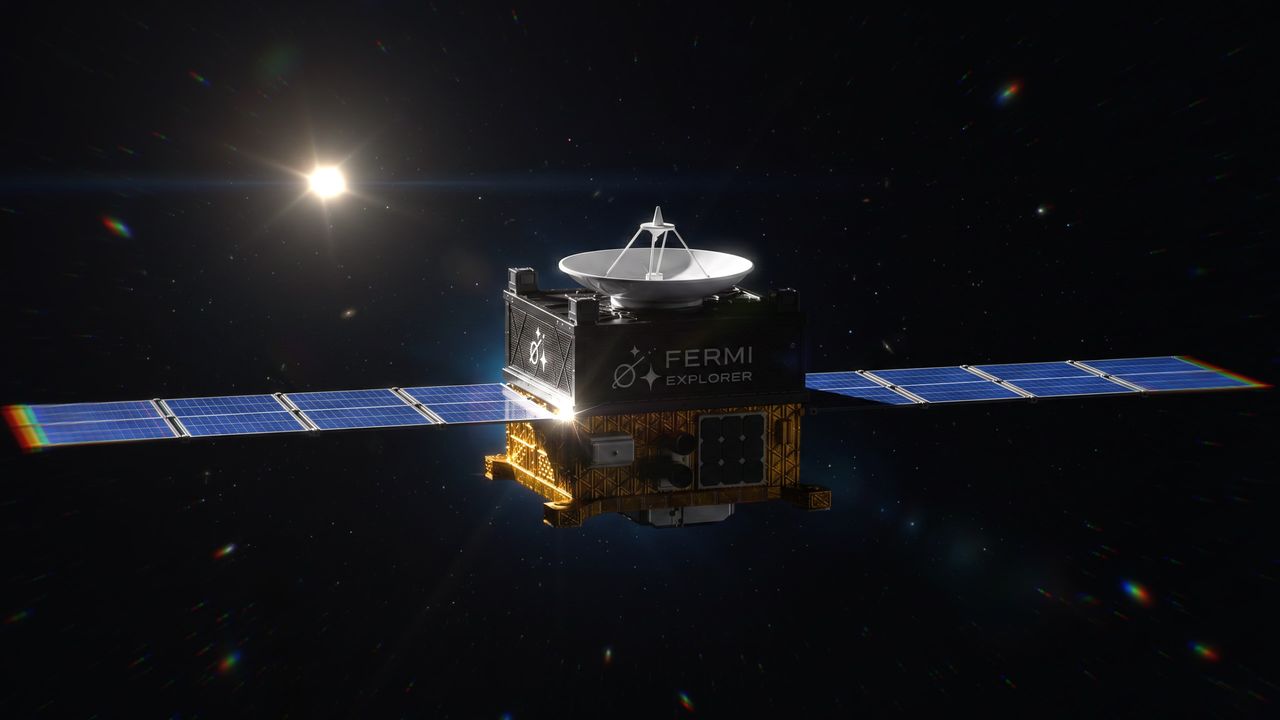
The Fermi Explorer Mission represents an audacious leap in interstellar ambition. A nonprofit organization plans to launch a probe toward Alpha Centauri, humanity's nearest stellar neighbor at 4.37 light-years away, with a target launch window in 2029. The mission design prioritizes affordability and rapid deployment over the multi-decade development timelines that have characterized previous deep-space ventures.
Alpha Centauri holds unmatched scientific allure for terrestrial astronomy. The triple star system contains Proxima Centauri, the closest star to our sun, along with the binary pair Alpha Centauri A and B. Ground-based observations have already detected exoplanet candidates in the system, including Proxima Centauri b, a potentially habitable world orbiting within the habitable zone. A dedicated probe could revolutionize understanding of planetary atmospheres, stellar dynamics, and the prevalence of worlds beyond our solar system.
The 80,000-year transit time reflects physics rather than limitation. No current or near-term propulsion technology can bridge interstellar distances faster without exotic breakthroughs. Standard chemical rockets or even advanced ion drives would require centuries to reach the star. The Fermi Explorer's architecture embraces this reality, designing systems that function across millennia rather than fighting the constraints of relativistic spaceflight.
The mission's name references physicist Enrico Fermi and his famous paradox: if the universe teems with intelligent life, where is everybody? By launching a probe toward the nearest stars, the Fermi Explorer directly addresses this question through observation rather than speculation. The effort signals that humanity possesses the technological capability and cultural will to reach beyond the solar system, even if arrival occurs in the distant future.
Cost efficiency drives the mission's feasibility. Unlike NASA's flagship missions, which routinely exceed billions in development and deployment costs, the Fermi Explorer emphasizes small satellite designs, commercial launch vehicles, and streamlined engineering. This model mirrors the success of CubeSat programs and smaller deep-space initiatives that have demonstrated sophisticated science within tight budgets.
The nonprofit framework distinguishes this effort from government space agencies. Private and philanthropic funding could accelerate development beyond traditional governmental timelines, which often span decades before launch authorization. This approach reflects growing momentum in commercial spaceflight, where private entities pioneer missions that government agencies once monopolized.
A 2029 launch would position the probe to conduct observations during multiple stellar alignments and maximize scientific return. Early deployment matters strategically. If humanity continues space exploration expansion, subsequent missions could launch at regular intervals, creating a fleet of interstellar probes that collectively map the Alpha Centauri system with increasing resolution over centuries.
The mission carries profound implications for how humanity views itself. Launching a probe destined to arrive in the year 82029 commits the species to a vision transcending immediate returns or human lifespans. It embodies a statement: exploration matters not because we will witness arrival, but because reaching toward the stars defines what we are.