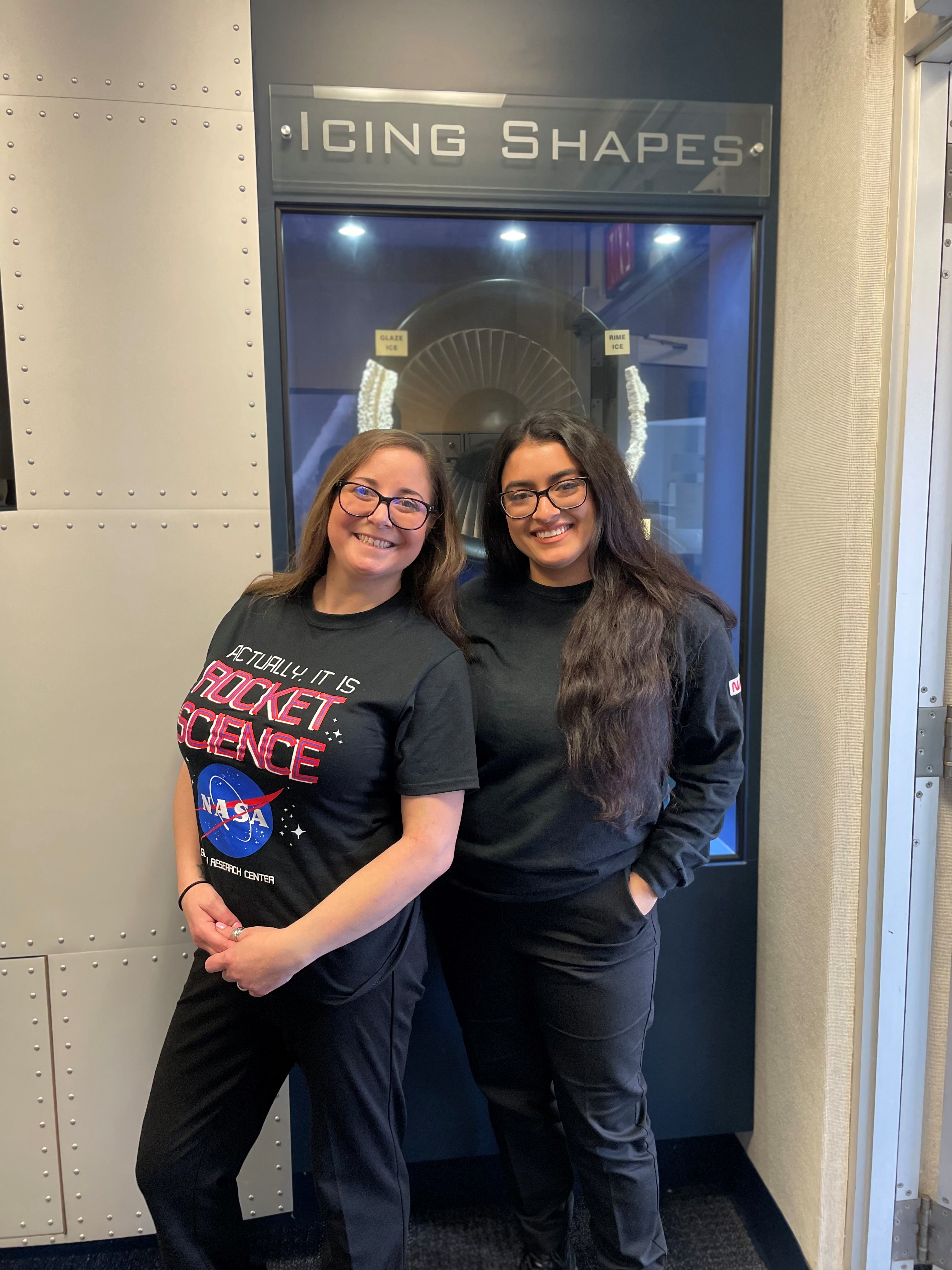
NASA has redesigned its Community College Aerospace Scholars program, opening a new pathway for students pursuing technical education to enter the aerospace workforce. The initiative represents a strategic investment in talent recruitment at a critical stage of career development, targeting students who may not follow traditional four-year university tracks.
The revamped NCAS challenge connects community college coursework directly to aerospace careers. Students engage with NASA experts, study the agency's active missions, and complete project-based learning aligned with real agency priorities. The program targets engineering, technology, science, and technical fields, focusing on disciplines where NASA faces documented workforce gaps.
Community colleges serve approximately 10 million students annually in the United States. These institutions produce skilled technicians, engineering technologists, and specialized workers who fill operational roles across the aerospace sector. Yet community college students historically receive less exposure to federal aerospace opportunities compared to their university counterparts. NASA's refreshed challenge addresses this structural inequity.
The updated program structure emphasizes direct engagement with NASA personnel and current mission applications. Students no longer simply study aerospace concepts; they solve problems rooted in active NASA projects. This approach mirrors how NASA operates internally. Engineers and scientists don't work in isolation. They collaborate on defined mission objectives with concrete timelines and resource constraints.
Participation requirements remain accessible to community college students with varying schedules and financial circumstances. The challenge accommodates working students and those balancing family responsibilities alongside coursework. NASA designed the program to reduce barriers that typically exclude non-traditional students from federal programs.
The aerospace industry currently faces workforce shortages in critical areas. Manufacturing, systems integration, quality assurance, and mission operations all require skilled technicians trained through community college programs. Companies like SpaceX, Blue Origin, and traditional contractors like Lockheed Martin and Boeing increasingly recruit from community college pipelines as four-year graduate production fails to meet demand. NASA's outreach strengthens this pipeline directly.
Beyond immediate hiring, the program builds NASA's public understanding and engagement. Community college students represent diverse demographic backgrounds, geographic distribution, and socioeconomic circumstances. When these students enter aerospace careers carrying firsthand NASA knowledge, they become advocates within their communities, their families, and their professional networks. This multiplier effect extends NASA's educational reach beyond traditional aerospace hubs.
The challenge also addresses skills alignment. Community colleges excel at teaching applied competencies: hands-on troubleshooting, equipment operation, technical documentation, and team coordination. NASA missions require these skills at every operational level. By integrating NASA mission contexts into the challenge, students practice competencies employers value immediately.
Students completing NCAS gain credentials valuable across the aerospace industry. Certificates and recognition from NASA carry weight in job applications. More importantly, students demonstrate concrete problem-solving abilities relevant to real missions. This portfolio value distinguishes NCAS participants in hiring processes.
The timing reflects broader workforce strategy within federal agencies. As NASA advances lunar return missions through Artemis, lunar surface operations, and Mars exploration planning, operational demands will intensify. Sustained exploration requires reliable workforce pipelines. Community colleges now represent core infrastructure in that pipeline, and NASA's commitment to accessible challenges reflects that reality.