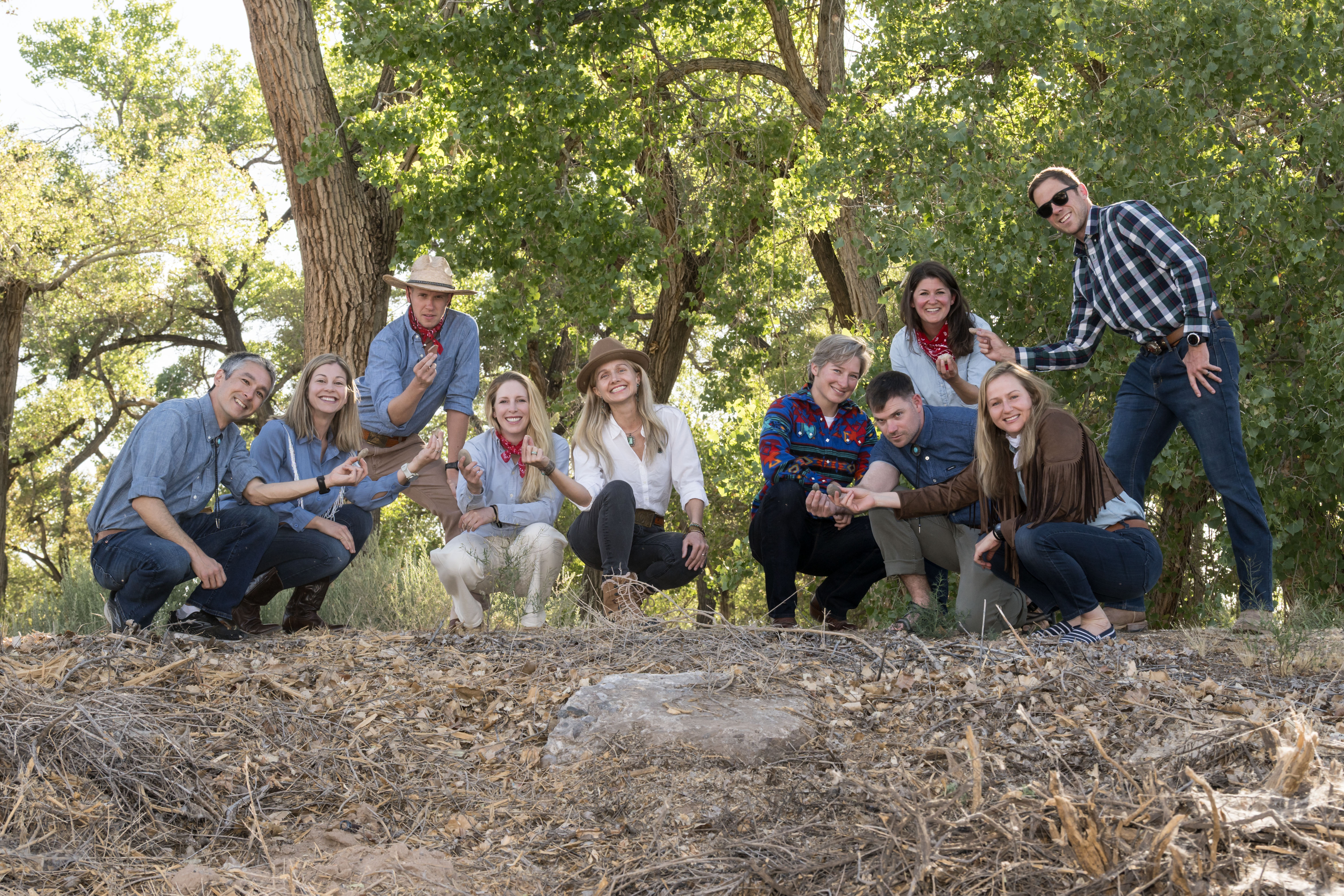
NASA's 2025 Astronaut Candidate Class entered their first summer of training at Johnson Space Center in Houston, Texas, completing survival skills and aviation coursework that forms the foundation of human spaceflight preparation. The 10 newly selected candidates, introduced publicly on September 22, 2025, have progressed through a demanding regimen that mirrors the practical demands astronauts face before reaching orbital operations.
The summer curriculum included survival training in wilderness environments, similar to the water and land survival protocols that have prepared astronauts since the Mercury program. Candidates also logged flight hours in aircraft, building the aviation expertise essential for candidates who must eventually command spacecraft. This hands-on approach reflects NASA's philosophy that astronaut training requires mastery across multiple disciplines before candidates progress to advanced technical work.
Johnson Space Center manages the Astronaut Corps and maintains training facilities that put candidates through scenarios they will encounter during actual spaceflight. The survival component teaches self-rescue and emergency response in remote conditions. Aviation training develops spatial awareness and emergency procedures. Both modules function as gatekeeping mechanisms, ensuring only candidates with demonstrated competency advance to higher-complexity training phases.
The 2025 class selection came after a competitive process that evaluated military test pilots, physicians, engineers, and scientists. Each candidate brought specialized backgrounds relevant to NASA's current and future missions, including operations aboard the International Space Station and preparations for Artemis lunar exploration. The selection reflects NASA's need to maintain astronaut readiness across multiple mission architectures simultaneously.
The comprehensive training pipeline stretches across two years before candidates receive their astronaut pins. Early phases emphasize foundational skills. Middle phases introduce spacecraft systems, robotics, extravehicular activity procedures, and payload operations. Final phases include integrated simulations where candidates operate within full mission scenarios alongside experienced flight controllers and support staff.
NASA's current astronaut corps includes approximately 48 active astronauts, supplemented by international partners through agreements with space agencies including Roscosmos, ESA, JAXA, and CSA. The 2025 class represents planned staffing for missions extending through the 2030s, when increased activity on the ISS and expanded Artemis sorties will demand more operational personnel. The class also addresses attrition from retirements and transitions into private space operations.
The summer training schedule coincided with ongoing ISS operations and Artemis hardware testing. While candidates trained on fundamental survival and aviation skills, the agency simultaneously managed crewed station logistics, advanced moonshot development, and contractor evaluations for lunar landers and habitats. This parallel workload requires Johnson Space Center to maintain separate operational and training pipelines.
The candidates' progress through summer training demonstrates NASA's commitment to continuous astronaut recruitment and development. Unlike previous eras when astronaut selections occurred infrequently, NASA now treats the selection process as recurring. The agency also expanded its astronaut corps definition to include candidates from broader professional backgrounds beyond traditional military aviation roles, recognizing that spaceflight operations now encompass research, systems engineering, and mission operations expertise previously underrepresented in the corps.