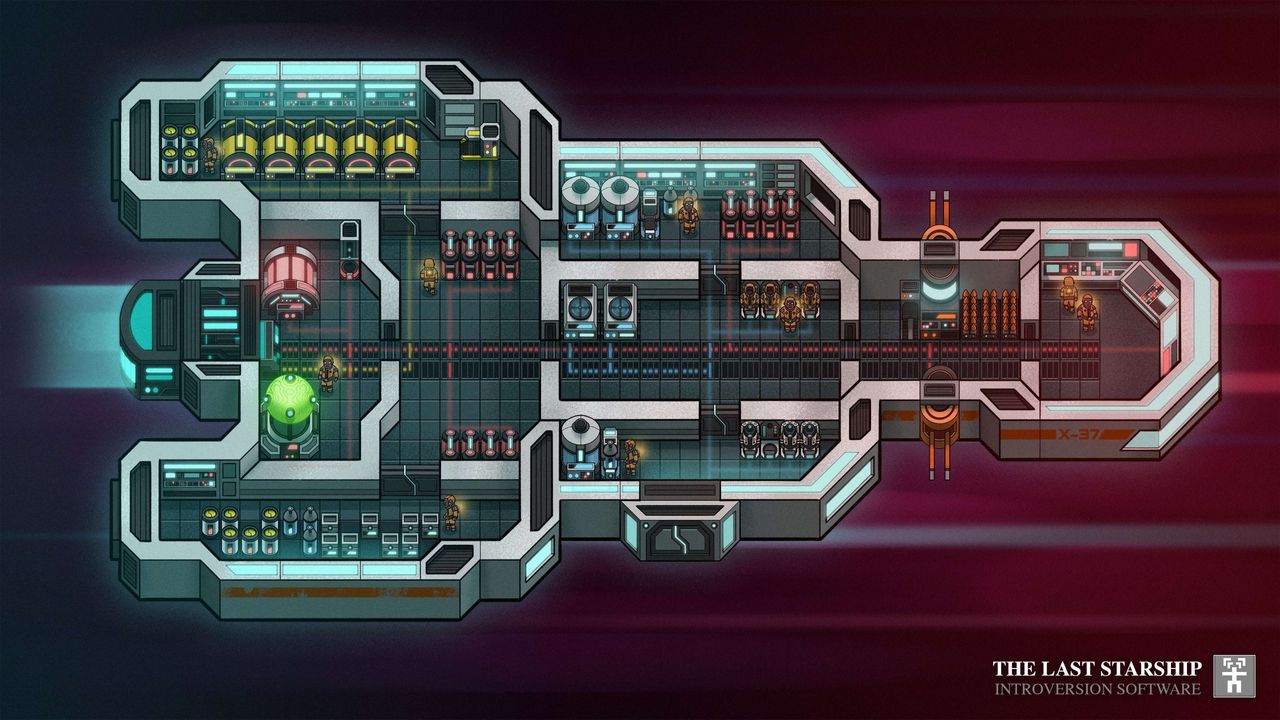
"The Last Starship," a strategy game from British independent developer Introversion Software, launches in 2026 as one of the year's most overlooked titles in the space gaming genre. The game draws inspiration from the roguelike mechanics of "FTL: Faster Than Light" while layering in deep shipbuilding and resource management systems that reward experimentation and long-term planning.
The sandbox structure gives players unprecedented control over vessel construction and fleet management. Rather than following a linear campaign, players build ships from modular components, assign crew roles, manage energy distribution, and navigate procedurally generated star systems. Each playthrough generates different challenges, forcing adaptation and creative problem-solving. The roguelike framework means death carries weight. Failed missions reset progress but unlock new ship designs and technologies for subsequent runs, creating a progression loop that encourages repeated engagement.
Introversion Software's design philosophy emphasizes player agency over hand-holding. The game respects player intelligence by presenting systems and letting them discover optimal solutions. This approach separates "The Last Starship" from mainstream space games that prioritize narrative spectacle over mechanical depth. The building mechanics tap into the same satisfaction that drives success in games like "Factorio" or "Dwarf Fortress," where mastering interconnected systems produces tangible results.
The comparison to "FTL" carries weight beyond surface similarity. Both games compress exploration, combat, and resource management into accessible but strategically complex packages. Where "FTL" excels at moment-to-moment decision-making during encounters, "The Last Starship" adds layers of pre-encounter preparation through shipbuilding. This shift from reactive to proactive gameplay creates a different strategic texture. Players cannot simply react to problems; they must anticipate them during construction phases.
The 2026 release window positions "The Last Starship" amid a crowded landscape. Major publishers saturate markets with AAA space titles featuring production values that dwarf independent efforts. This visibility disparity means quality games from smaller studios frequently disappear beneath marketing noise from larger competitors. "The Last Starship" faces this challenge despite offering mechanical depth and replayability that most AAA space games cannot match.
The roguelike genre has experienced remarkable Renaissance since "FTL's" breakthrough in 2012. Games like "Hades," "Returnal," and "Slay the Spire" demonstrated that players embrace repeated runs and procedural generation when systems remain engaging. "The Last Starship" enters this proven territory with shipbuilding mechanics that add novel dimensions to roguelike formula conventions.
The sandbox approach also addresses common complaints about modern space games. Players who tire of rigid narratives or predetermined ship designs find liberation in systems that reward experimentation. Building a ship optimized for combat plays entirely differently than one built for exploration or survival. This modularity creates emergent gameplay where no two runs feel identical.
Introversion Software brings credibility to the project through its history with titles like "Uplink," "Defcon," and "Prison Architect." The studio consistently delivers games that prioritize systems and player creativity over graphical spectacle. This track record suggests "The Last Starship" will deliver on its mechanical promises.
As 2026 approaches, "The Last Starship" deserves attention from space game enthusiasts and strategy fans alike. The combination of shipbuilding depth, roguelike replayability, and systems-focused design creates something genuinely distinct in the current market landscape.