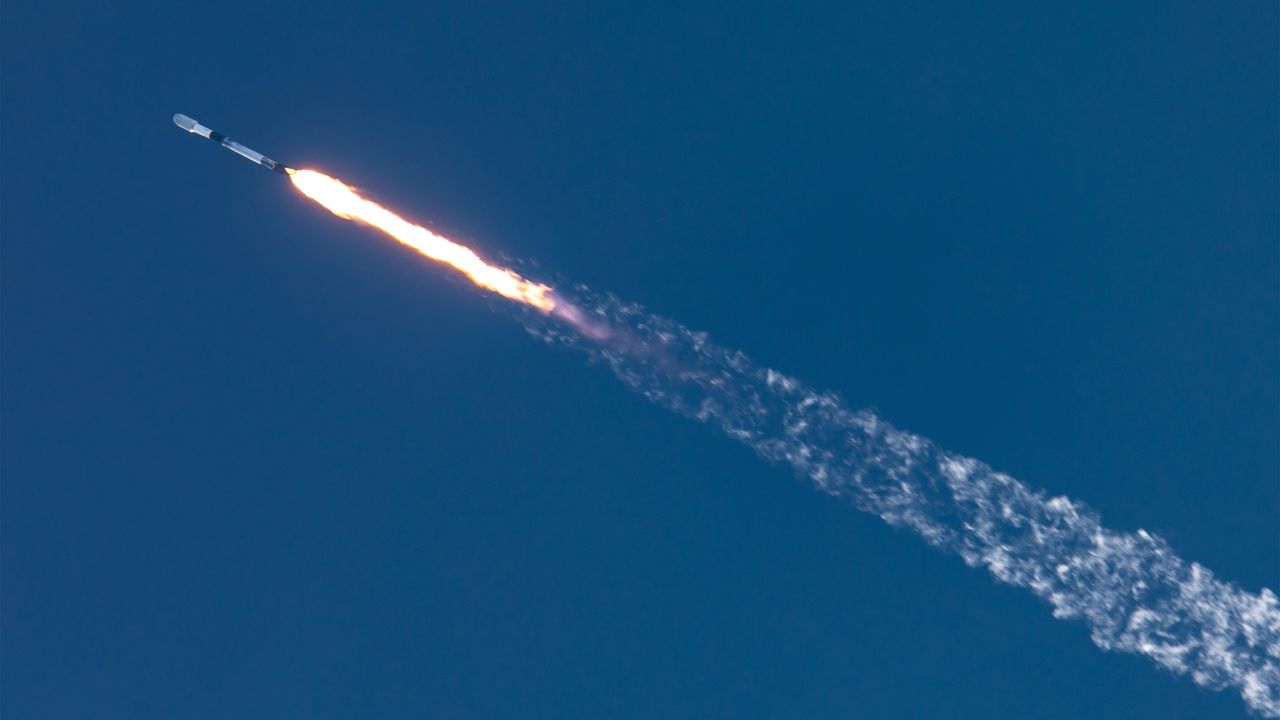
SpaceX launched the classified USSF-153 mission for the U.S. Space Force on September 10, deploying a national security payload into orbit aboard a Falcon 9 rocket. The mission lifted off from Vandenberg Space Force Base in California, adding another layer to the expanding partnership between the commercial spaceflight provider and the Department of Defense.
The specific nature of the payload remains classified, a standard practice for military space operations. The U.S. Space Force has increasingly turned to SpaceX's Falcon 9 as its workhorse for national security launches, valuing both the rocket's reliability and rapid launch cadence. USSF-153 represents another step in the military's shift toward commercial launch providers rather than exclusive reliance on government-built systems.
SpaceX has become the primary launch partner for U.S. military space missions under contracts worth billions of dollars. The Space Force's Space Systems Command oversees these missions, which support everything from reconnaissance and communications to positioning and early warning systems. By outsourcing to SpaceX, the military reduces per-launch costs and gains access to the company's frequent launch schedule. Falcon 9 has emerged as one of the most reliable heavy-lift launch vehicles in operation, with hundreds of successful flights across civilian, government, and military missions.
The Falcon 9 that carried USSF-153 followed SpaceX's standard two-stage configuration. The first stage booster, having completed its mission, returned to Earth for a landing and refurbishment, extending SpaceX's track record of reusable rocket technology. This reusability remains central to the company's cost reduction strategy and operational efficiency.
Vandenberg Space Force Base, located on California's central coast, serves as SpaceX's primary launch site for national security missions and polar orbit deployments. The facility provides geographic advantages for reaching certain orbital inclinations required by military satellites. SpaceX operates multiple launch pads at Vandenberg, enabling the company to manage frequent launches while maintaining safety protocols.
The classification of the USSF-153 payload reflects the sensitive nature of national security space operations. U.S. military satellites provide critical infrastructure supporting communications, navigation, intelligence gathering, and strategic command and control. These assets remain targets of international competition, particularly from adversaries developing anti-satellite capabilities. Keeping specific payload details classified protects operational security and maintains tactical advantage in space.
SpaceX's role in launching classified missions underscores the normalization of commercial spaceflight for defense applications. The company underwent rigorous certification processes to qualify for Space Force contracts, demonstrating compliance with security protocols and operational standards. This commercial-military partnership model has reshaped the space industry landscape, allowing the government to leverage private sector innovation and economies of scale.
The USSF-153 launch continued a steady cadence of Space Force missions that SpaceX executes throughout the year. These missions sustain vital military capabilities while keeping launch infrastructure active and operational. Each successful flight reinforces SpaceX's position as the preferred launch provider for U.S. national security space operations.