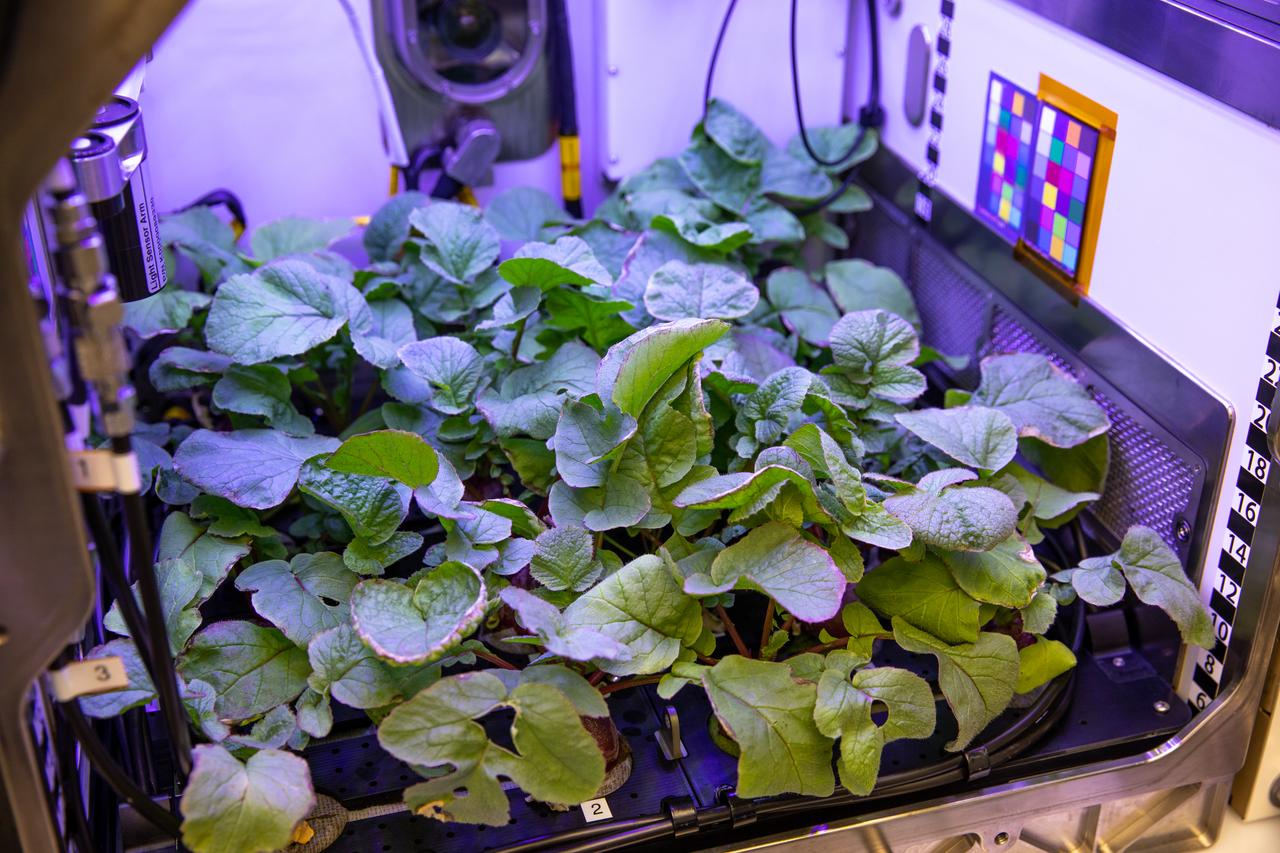
NASA selected 12 new investigations designed to sustain human explorers during extended space missions. Six focus on growing food beyond Earth, while six address the physiological challenges astronauts face in space environments.
The food production investigations target a fundamental constraint of deep space exploration. Long-duration missions to Mars and beyond require crews to produce calories on-site rather than transporting all supplies from Earth. Current resupply missions cost thousands of dollars per kilogram. Growing crops in microgravity, lunar regolith, or Martian soil could slash mission costs and extend operational timelines indefinitely. These investigations will examine crop varieties suited to controlled environments, optimize nutrient delivery systems, and test growing substrates that mimic extraterrestrial soil composition.
The six health investigations address the physiological toll of spaceflight. Astronauts experience bone density loss, muscle atrophy, and cardiovascular deconditioning during extended weightlessness. Radiation exposure poses long-term cancer and central nervous system risks. Vision problems develop from intracranial pressure changes. These investigations will explore countermeasures, understanding mechanisms of adaptation, and developing targeted interventions to keep crews healthy during months-long missions.
The selections represent NASA's commitment to lifecycle support systems for exploration beyond low Earth orbit. The Space Technology Mission Directorate and the Human Research Program jointly support these efforts through competitive proposal processes. Selected teams receive funding to conduct experiments aboard the International Space Station, where microgravity and radiation conditions approximate deep space environments.
Food production research builds on decades of ISS agricultural experiments. Previous work demonstrated that lettuce, peppers, and radishes can grow in controlled hydroponic systems aboard the station. New investigations likely expand the variety of viable crops, test closed-loop systems that recycle water and nutrients, and evaluate LED lighting configurations that maximize photosynthetic efficiency while minimizing power consumption.
Health research initiatives employ both ground-based studies and spaceflight investigations. Some teams analyze tissue samples, blood markers, and performance metrics from current astronauts to identify early warning signs of physiological decline. Others develop and validate exercise protocols, pharmaceutical interventions, and behavioral countermeasures. Understanding exactly how microgravity alters bone metabolism, muscle protein synthesis, and immune function informs prevention strategies.
These investigations directly support NASA's Artemis program, which aims to land humans on the Moon by the mid-2020s and establish sustainable lunar presence. Lunar missions lasting weeks will demand basic life support and health maintenance capabilities. Crewed Mars missions spanning years will require integrated food production, comprehensive health monitoring, and adaptive physiology research.
The investigations also advance commercial space station development. Private companies developing orbital platforms require validated agricultural and biomedical research capabilities to attract customers. Demonstrating reliable crop production and health assessment systems in orbit strengthens the business case for extended human spaceflight.
NASA's selection of these 12 investigations reflects recognition that exploration beyond Earth orbit demands solutions to basic human needs. Astronauts require food, water, oxygen, and health preservation. Technologies that reliably provide these essentials in harsh, remote environments transform long-duration space exploration from theoretical possibility to operational reality. The research conducted through these investigations generates data that mission planners will incorporate into hardware design, crew training, and operational procedures for the next generation of exploration missions.