# Small Spacecraft, Big Ambitions: How Tiny Missions Drive Modern Exploration
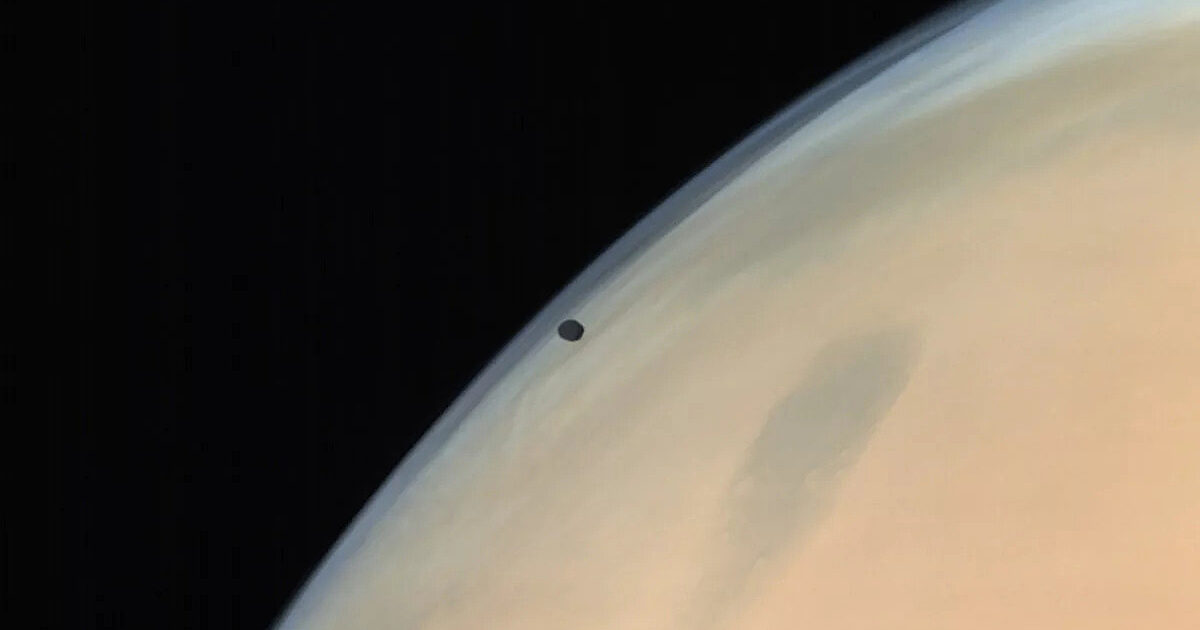
The scale of space exploration continues to shift. Giant rockets now launch alongside miniaturized satellites. CubeSats no larger than loaves of bread perform tasks once reserved for multi-million-dollar observatories. Meanwhile, lunar missions discover and study small moons that reshape our understanding of planetary systems.
This convergence defines current space operations. Heavy-lift launch vehicles like SpaceX's Starship and NASA's Space Launch System deploy both massive payloads and swarms of compact instruments. The economics have shifted. Smaller spacecraft cost less to build, launch, and operate while delivering focused scientific returns.
CubeSats exemplify this transformation. These standardized cube-shaped satellites, measuring 10 centimeters on each side, fit dozens aboard a single rocket. Universities, commercial companies, and space agencies deploy them for Earth observation, atmospheric research, radio communication, and deep space exploration. NASA's MarCO spacecraft, which accompanied the InSight lander to Mars in 2018, proved that CubeSats could operate millions of miles from Earth. Today, dozens of CubeSat missions operate across cislunar space and beyond.
The discovery and characterization of small moons drives another frontier. Ground-based telescopes and spacecraft cameras continue identifying previously unknown moons around planets and asteroids. These small bodies tell stories about planetary formation, gravitational dynamics, and the history of impacts that shaped our solar system. Studying them requires minimal dedicated missions. Instruments aboard primary exploration vehicles collect images and spectroscopic data as secondary objectives. NASA's Lucy spacecraft, launched in 2021, will visit multiple asteroids and their moons. ESA's JUICE mission, heading to the Galilean moons of Jupiter, will analyze small satellites orbiting its primary targets.
Megarockets like Starship enable new approaches to lunar and planetary missions. Their massive payload capacity allows NASA to land heavier rovers and equipment on Mars. SpaceX's Starship architecture supports missions to establish refueling depots in orbit, a prerequisite for crewed missions beyond Earth. The lower marginal cost of launching additional mass opens possibilities for redundant systems, extended missions, and more ambitious science packages.
The combination of these three elements, small moons and large rockets and tiny CubeSats, creates a balanced exploration strategy. Large rockets deliver heavy infrastructure. CubeSats provide distributed sensing networks and specialized observations. Small moons, studied as targets of opportunity, expand our knowledge without requiring dedicated billion-dollar missions.
This approach reduces risk through distributed observation. If one CubeSat fails, others continue operating. If one moon study yields unexpected results, additional observations from future missions provide context and verification. The model accelerates discovery cycles compared to the previous era of single, flagship missions.
Private space companies amplify these trends. Companies like Axiom Space, Sierra Space, and others build commercial modules that attach to stations or operate independently. They deploy CubeSats. They plan lunar landers. They operate small spacecraft for asteroid mining prospecting and space tourism ventures.
The next decade will see hundreds of additional CubeSats launched annually. Lunar Gateway station and Artemis missions will discover more small moons. Starship and other megarockets will reduce launch costs further. This ecosystem, built on diverse scales and purposes, transforms space from a domain of occasional heroic missions into a sustained operational frontier where discovery happens continuously across multiple platforms and objectives.