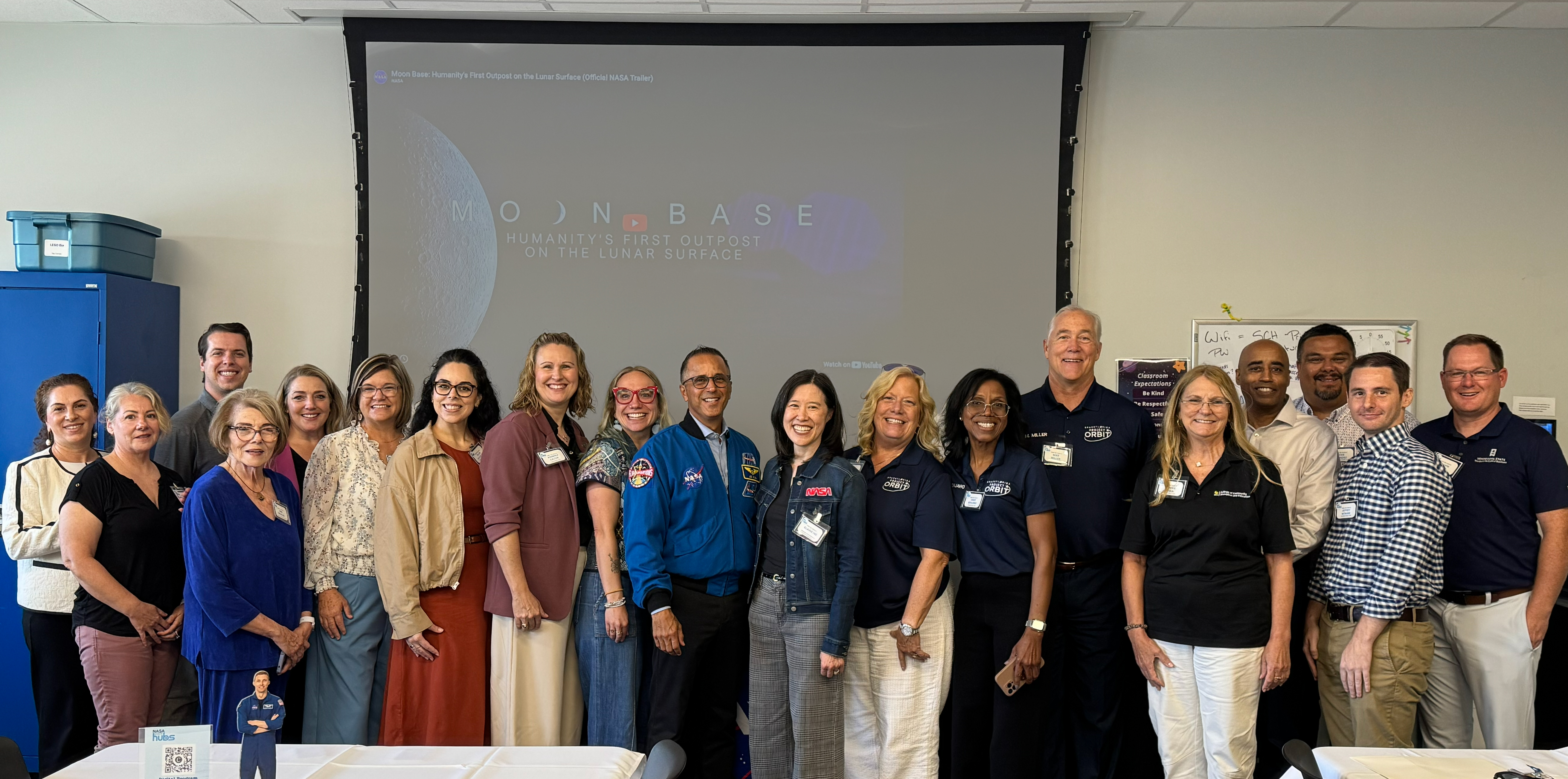
NASA launched its State Hubs for Skilled Technical Workforce initiative on September 15, 2026, marking the agency's most comprehensive effort to build a pipeline of workers capable of supporting the next generation of space exploration. The program brought together awardee institutions at Space Center Houston for strategy alignment and partnership coordination that will reshape how the nation prepares talent for aerospace careers.
The initiative represents NASA's direct response to a workforce crisis. As the agency accelerates missions to the Moon through Artemis, pursues Mars exploration, and supports commercial spaceflight expansion, it faces acute shortages in engineers, technicians, and specialized trades workers. The State Hubs program distributes responsibility across regional centers rather than concentrating development efforts at NASA centers alone. This decentralized approach embeds workforce training directly into state economies and educational ecosystems.
Each State Hub functions as a regional talent nexus, partnering with community colleges, universities, vocational schools, and private companies to develop curricula tailored to space industry needs. The hubs target critical skill gaps in manufacturing, welding, electrical systems, software development, and systems integration. By anchoring training programs at the state level, NASA reaches populations underrepresented in aerospace and builds pathways from secondary education through apprenticeships to full employment.
The partnership component proves central to the program's architecture. Small businesses form the operational backbone of NASA's supply chain and contractor network. State Hubs create direct connections between training institutions and these firms, allowing students to move quickly from classroom to productive roles. Large aerospace contractors including suppliers to SpaceX, Blue Origin, and traditional NASA vendors participate in curriculum design and hiring commitments.
This timing reflects broader industry momentum. Commercial spaceflight companies accelerate hiring as launch cadence increases. SpaceX alone hired thousands of engineers and technicians over the past five years as Starship development intensified. Blue Origin expanded its workforce heading into New Glenn production. Traditional aerospace contractors compete fiercely for talent against well-funded startups. Without coordinated federal workforce development, regional labor markets fragment and skill bottlenecks constrain growth.
The State Hubs initiative also addresses geographic disparity. Aerospace talent has historically concentrated in California, Texas, and Florida. This program distributes opportunities nationwide, unlocking talent in regions previously disconnected from space industry careers. A student in Kentucky or Montana gains access to space industry pathways without relocating. Remote work options expand this effect further.
Funding flows directly from NASA to participating states and their institutional partners. Awards support program administration, instructor training, equipment procurement, and student support services including stipends and certification exam preparation. The agency committed to multi-year funding cycles, providing stability for institutions to build sustainable programs rather than temporary initiatives dependent on annual appropriations.
Next steps focus on curriculum development aligned to industry standards and certification pathways recognized across companies. Hubs will establish metrics tracking student progression from enrollment through employment. NASA plans regular convenings of hub leaders to share best practices and coordinate scaling.
The State Hubs program signals that NASA views workforce development as central to its mission success. No agency can execute exploration goals without people equipped to build rockets, maintain facilities, write flight software, and manufacture precision components. By anchoring this talent development in every state, NASA invests not just in its own future but in America's aerospace competitiveness during a period when multiple nations pursue aggressive space agendas.