NASA explores using drones to explore subsurface environments on both Titan and the Moon, according to reporting from The Planetary Society. The agency investigates how unmanned aerial vehicles could navigate cave systems and conduct scientific investigations in these extreme environments.
Titan, Saturn's largest moon, presents unique opportunities for drone exploration due to its dense atmosphere, which would allow aircraft to operate differently than they would on airless bodies like the Moon. The thick nitrogen atmosphere could support aerial vehicles in ways Earth-based drones function.
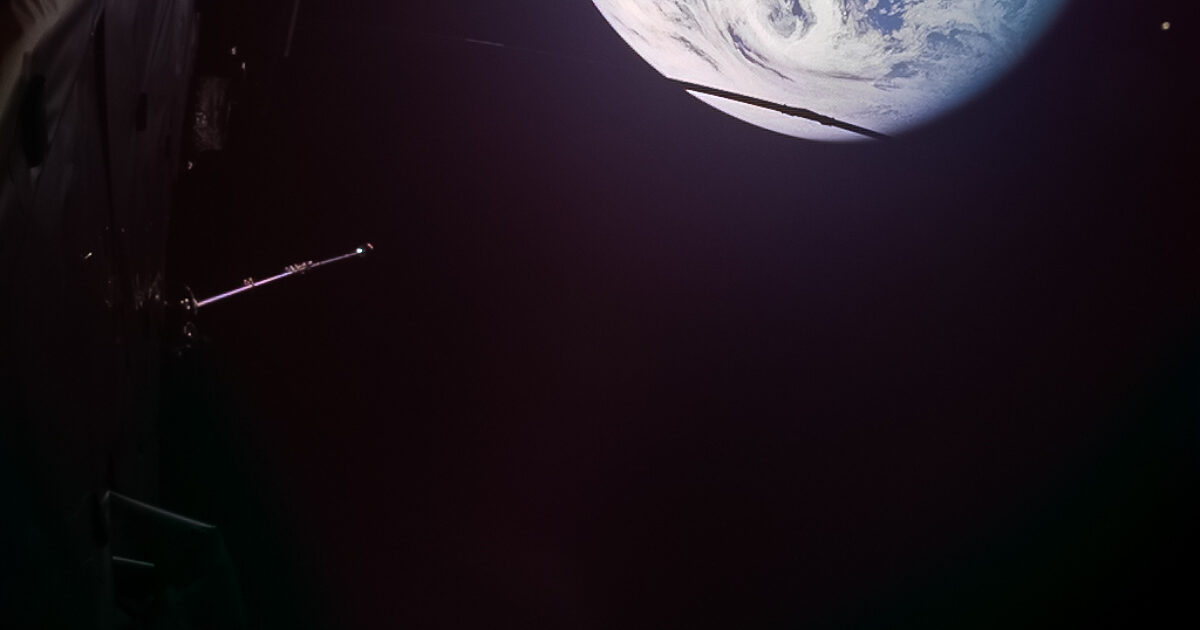
The Juice mission, operated by the European Space Agency with NASA involvement, conducted a flyby of Earth during its journey to study Jupiter's moons. The spacecraft passed overhead of Earth as part of its trajectory toward the outer solar system.
The International Space Station also passed overhead during this period, continuing its regular orbital operations around Earth. The ISS maintains its schedule of scientific research and crew rotations.
The Planetary Society's reporting ties these three space activities together, highlighting current and upcoming missions ranging from Earth orbit to the outer planets. NASA's consideration of drone technology for planetary exploration reflects evolving approaches to investigating inaccessible terrain on other worlds. The use of aerial vehicles on Titan and the Moon could access regions that traditional rovers cannot reach, potentially discovering subsurface geological formations and evidence of past or present conditions relevant to the search for life or understanding planetary history.