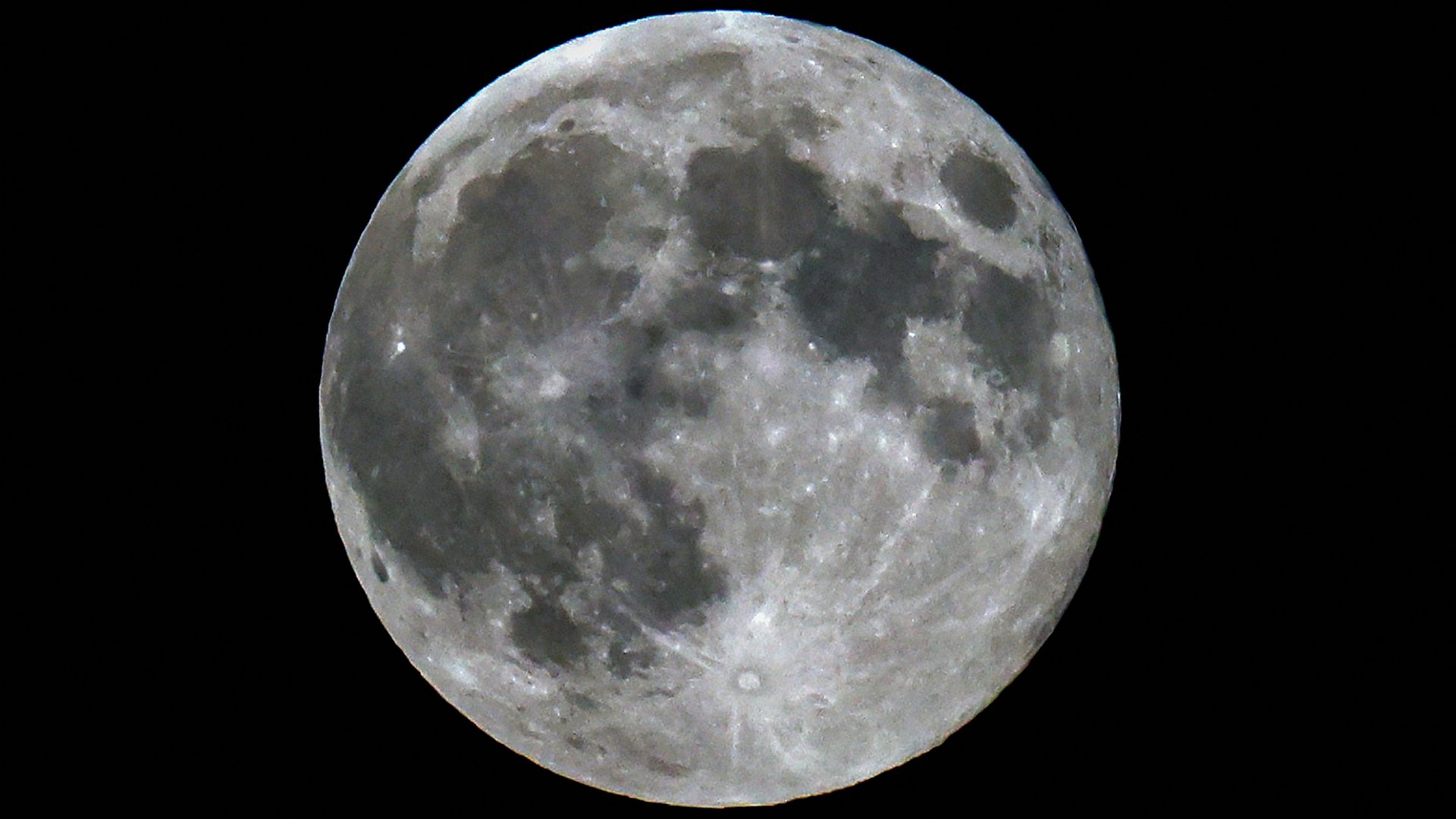
October's full moon arrives on October 25, bringing with it one of the year's most recognizable lunar milestones. The Hunter's Moon represents the second full moon following the autumnal equinox in the Northern Hemisphere, a distinction that places it squarely in the tradition of harvest moons that guided agricultural societies for centuries.
The name carries deep historical roots. Native American tribes and early colonists relied on this October full moon to track the hunting season. As summer crops were harvested and stored, communities turned their attention to preparing for winter by hunting game. The bright moonlight extended evening visibility, allowing hunters to pursue deer and other animals well into the night. Unlike the September Harvest Moon, which rises only 30 minutes later each successive evening, the Hunter's Moon follows a similar pattern, maintaining high night-sky visibility for multiple nights. This consistent luminosity made it invaluable for nocturnal hunting expeditions.
Observers across the Northern Hemisphere can expect to see the Hunter's Moon reaching full illumination on October 25. The moon will appear noticeably larger and brighter than typical full moons due to the optical illusion created when the lunar disk sits low on the horizon, a phenomenon known as the moon illusion. While scientists understand the optical mechanics behind this effect, the psychological impact remains powerful, drawing millions of observers to the night sky annually.
The Hunter's Moon carries scientific implications beyond folklore. Lunar cycles influence terrestrial ocean tides through gravitational interaction between Earth and Moon. The full moon phase represents the point in the lunar orbit when Earth sits directly between the Sun and Moon, producing maximum tidal forcing. During this configuration, spring tides reach their highest amplitudes, significantly affecting coastal ecosystems and maritime operations.
For observers seeking the best viewing experience, find a location with minimal light pollution. Urban areas produce sky glow that dims the moon's appearance and obscures surrounding stars. Rural locations or designated dark sky sites allow full appreciation of the lunar disk and its surrounding stellar context. The Hunter's Moon rises approximately one hour after sunset on October 25, reaching its highest point in the southern sky around midnight for Northern Hemisphere observers.
Photography enthusiasts can capture compelling images using standard telephoto lenses or telescopes. The full moon phase provides maximum surface illumination, though lunar detail appears diminished compared to crescent or gibbous phases, when oblique sunlight creates shadows that accentuate topographic features like craters and mountain ranges.
This Hunter's Moon occurs as autumn deepens in the Northern Hemisphere, with nights lengthening and temperatures dropping. The astronomical transition toward winter solstice continues its steady pace, making this full moon a natural waypoint in the seasonal cycle. Whether observed for practical hunting purposes as ancestral communities did, or simply appreciated for its astronomical and aesthetic qualities, the October Hunter's Moon connects contemporary observers to centuries of human lunar observation and cultural practice.