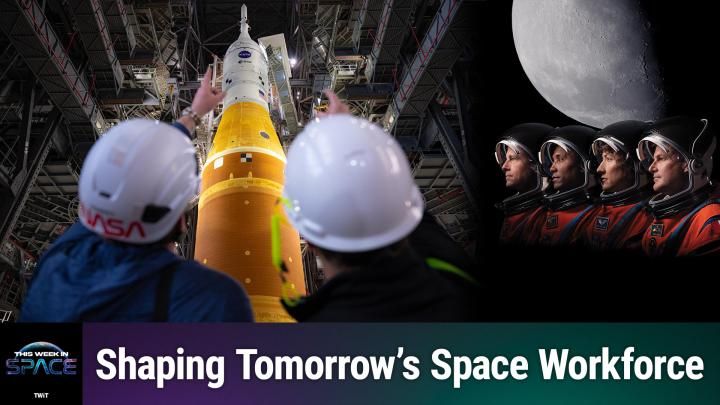
# The Artemis Generation Enters the Space Workforce
NASA's Artemis program stands not merely as a technological endeavor but as a generational employment engine reshaping how scientists and engineers approach space exploration. Episode 233 of the This Week In Space podcast tackled this workforce transformation through conversations with Tariq Malik, Rick Jenet, and Dr. Amanda Smith-Hackler from the Universities Space Research Association.
The Artemis program, NASA's initiative to return humans to the Moon and establish sustained lunar presence, demands unprecedented talent across multiple disciplines. Engineers, mission controllers, life support specialists, lunar scientists, and entry-descent-landing experts represent just a fraction of the roles the program requires. This cascading demand for skilled professionals extends beyond NASA itself. Contractors like Lockheed Martin, Boeing, Northrop Grumman, and SpaceX all contribute hardware and expertise to Artemis missions, multiplying employment opportunities across the aerospace sector.
The Universities Space Research Association, which operates research centers at multiple NASA facilities, plays a critical role in this pipeline. The organization identifies promising researchers and engineers, placing them directly into meaningful mission work. Smith-Hackler's involvement speaks to how academic institutions now function as active partners in workforce development rather than passive training grounds. Students and early-career professionals no longer wait for employment opportunities to emerge. Instead, they actively participate in live missions from the start of their careers.
The Artemis generation differs fundamentally from previous space program cohorts. Engineers who entered during the Space Shuttle era worked on a single, mature system for decades. Artemis participants face a fundamentally different reality. The Space Launch System rocket, Orion spacecraft, lunar Gateway station, and human landing systems represent multiple concurrent development programs still evolving. Early-career professionals contribute to hardware that will fly within their first five years of employment, not after decades of preparation.
This acceleration creates both opportunity and pressure. A newly hired trajectory analyst might work on actual mission planning for Artemis III or IV within months of joining NASA. Graduate students can transition from thesis work to operational roles supporting real lunar missions. The podcast explored how universities and NASA centers coordinate this transition, ensuring technical rigor while maintaining momentum.
The commercial space sector amplifies this effect. SpaceX's Starship development and Blue Origin's Blue Moon lander program need thousands of engineers. These private companies compete directly with NASA for talent, creating a dynamic market where space workforce skills command premium value. This competition drives innovation but also raises concerns about knowledge distribution and mission continuity across the sector.
Smith-Hackler likely addressed how students should prepare for this landscape. Technical expertise in propulsion, avionics, structures, and systems integration remains foundational. But the Artemis generation also needs adaptability. Program changes, budget adjustments, and technological pivots happen faster than in previous eras. Professionals who can shift between roles, learn rapidly, and contribute across multiple systems gain the most opportunities.
The podcast conversation underscores a practical reality about space exploration infrastructure. Hardware and software matter, but people matter more. The Artemis program succeeds only if NASA and its contractors maintain a continuously trained, engaged workforce. This Week In Space examined how that workforce forms, where opportunities exist, and what skills matter most for entering space exploration during one of its most ambitious periods.