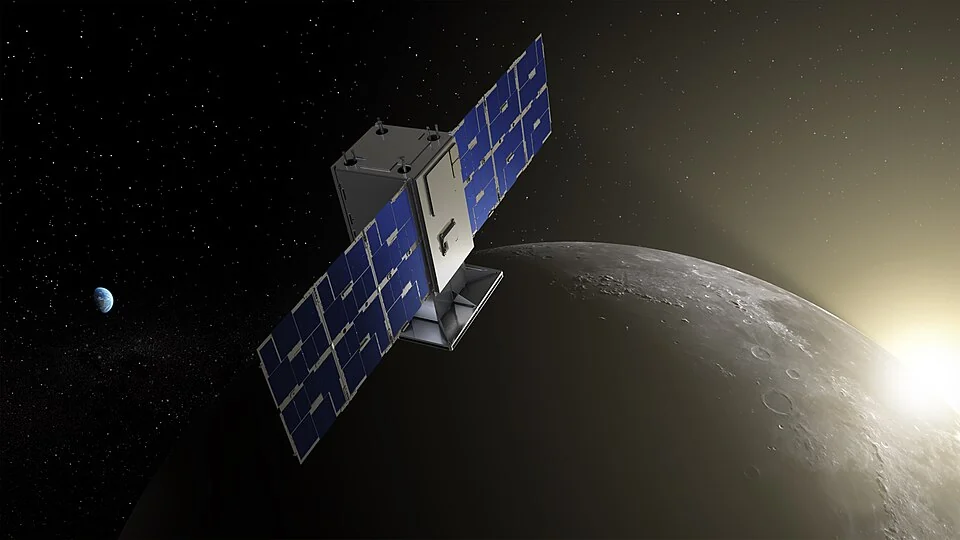
NASA's Deep Space Network faces growing demand as the number of satellites in deep space multiplies. Researchers from Advanced Space, Space Exploration Engineering, and Texas A&M have proposed a solution that requires no additional cost: using solar array data collected during a spacecraft's eclipse to determine its orbital position.
The method leverages shadows cast on a spacecraft's power generation system. When a spacecraft passes through a celestial body's shadow, its solar arrays stop producing power. By analyzing the timing and pattern of this eclipse, operators can calculate the spacecraft's location in lunar orbit without relying on ground-based tracking resources.
Ian Down, James McElreath, and Manoranjan Majji describe the approach in a paper available in pre-print on arXiv. The technique addresses a specific bottleneck: the Deep Space Network, which has tracked deep space missions for decades, is becoming overwhelmed by tracking requests. This new method offloads some localization work to the spacecraft itself, using data already being collected by its power systems.