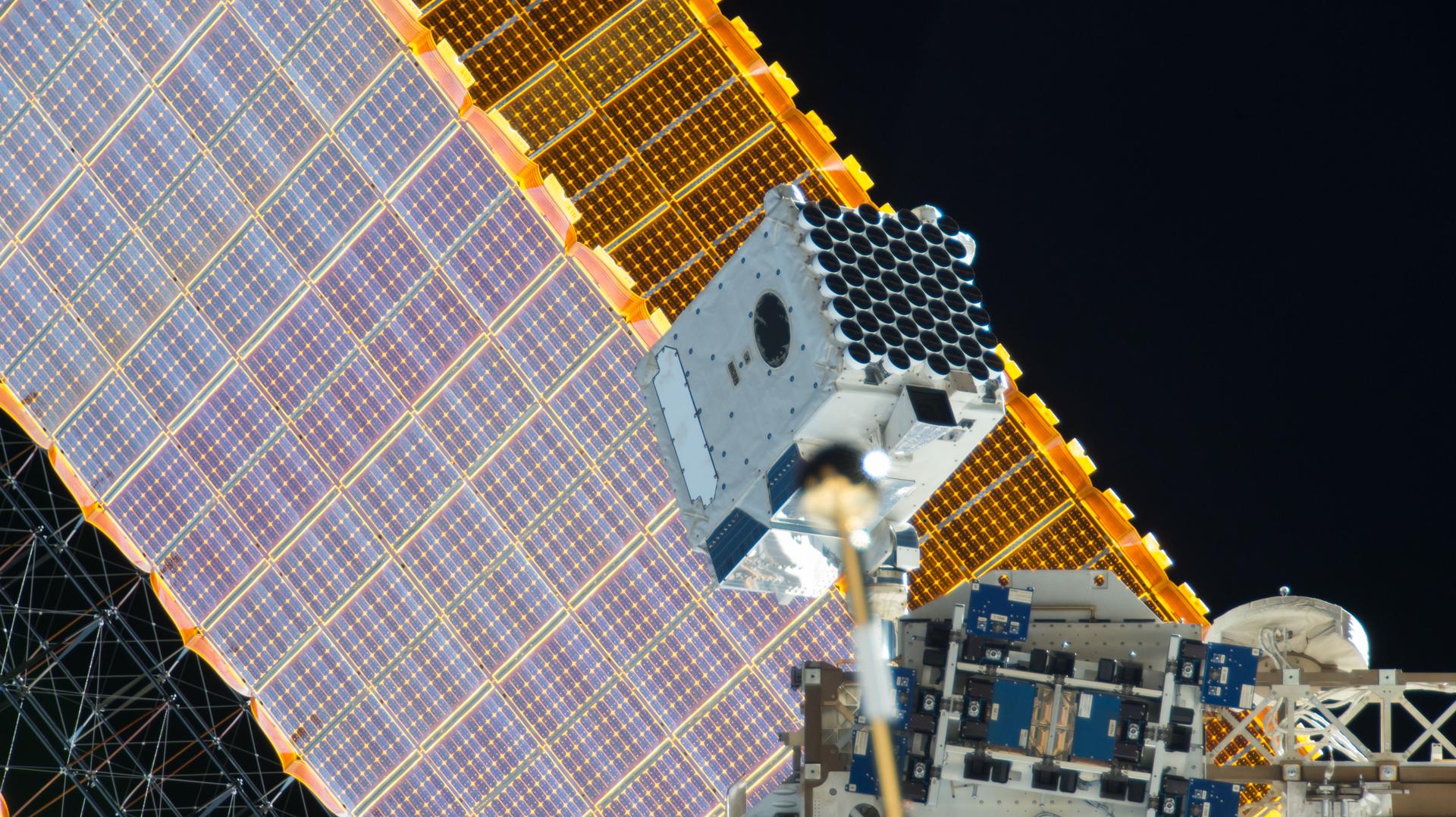
When NASA's NICER telescope launched in 2017, it was designed to operate for just 18 months. That the X-ray observatory has now spent eight years aboard the International Space Station—six and a half years beyond its initial mission—represents a remarkable achievement in space science. But the telescope's sudden inability to swivel side-to-side in June 2025, caused by an internal motor failure, signals that even the most resilient instruments eventually reach their limits.
The timing of NICER's shutdown is bittersweet. The mission has fundamentally transformed our understanding of the cosmos. It has made groundbreaking measurements of neutron stars, which contain the densest matter in the universe that we can measure, and revolutionized our understanding of black holes, active galaxies, and other mysterious phenomena in our universe. These are not incremental contributions to astronomy—they are foundational discoveries that will inform space science for decades to come. The loss of such a productive instrument is genuinely difficult for the scientific community.
Yet NICER's legacy extends far beyond its direct observations. The telescope demonstrated the potential of pulsar-based spacecraft navigation in X-rays that could be used for travel to Mars and beyond. This breakthrough has profound implications for future deep-space exploration. Additionally, technology developed to test NICER before launch is being incorporated into prototype portable CT scanners, materials analysis systems, communications systems, and other applications on Earth. Few space missions can claim such tangible benefits to everyday life.
The mission's journey to this endpoint also illustrates the resilience required in space operations. When NICER developed a light leak in May 2023, with unwanted sunlight entering the instrument through damage to its thermal shields, the team could have simply accepted reduced capabilities. Instead, NASA astronaut Nick Hague performed a spacewalk in January to install nine patches, and engineers developed a novel approach to reconfigure the detectors. By March 12, NICER had recovered observations during more than 70% of station daytime—a remarkable recovery that extended the mission's productive life.
Now, with the motor failure that halted operations on June 17, NASA faces the right decision: to focus on finalizing NICER's eight-year archive of X-ray science observations and preparing for decommissioning and detachment from the station. While the loss of this pioneering telescope is regrettable, its eight years of operation—rather than the planned 18 months—represent a stunning success. The question now is not whether NICER has earned its retirement, but how quickly the scientific community can build upon the extraordinary foundation it has established.