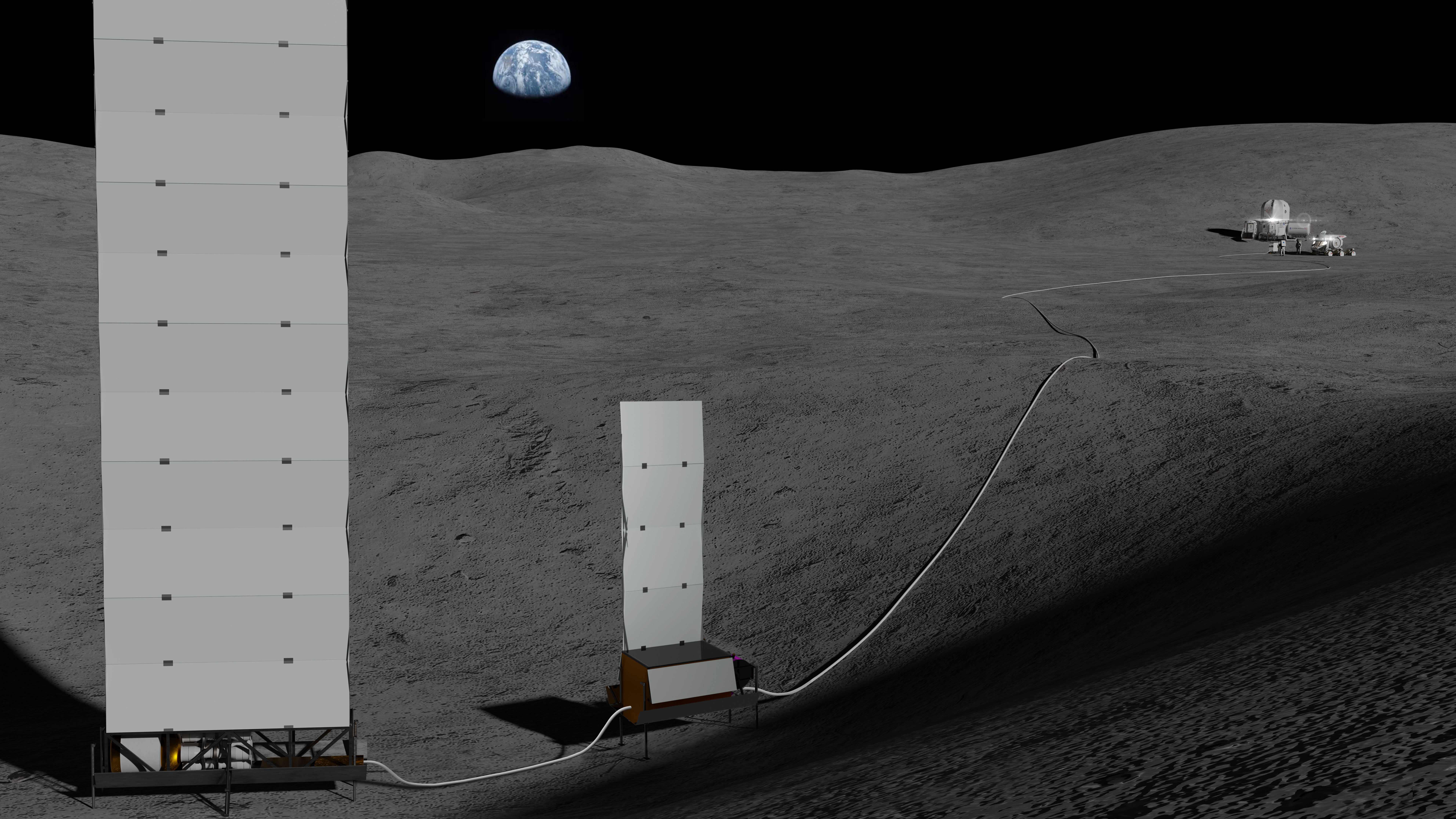
NASA's push to develop Lunar Reactor-1 (LR-1) by 2030 is bold and strategically sound. A 20-kilowatt fission power system capable of generating electricity continuously—including during the Moon's approximately two-week-long nights—represents exactly the kind of infrastructure needed to establish sustained human presence on the lunar surface. Unlike solar power, which depends on sunlight, nuclear reactors can power future habitats, communications systems, rovers, and scientific instruments in environments where conventional energy sources fail. The rationale is unassailable: lunar nights last about 14 Earth days, and dust storms on Mars can block sunlight for months. For deep space exploration, nuclear systems offer reliability that solar cannot match.
Yet the tight timeline raises legitimate concerns. NASA has set an ambitious launch-ready target for 2030 and plans to operate LR-1 on the Moon for at least five years after deployment. The Space Power and Reactor Capabilities Request for Proposals incorporates feedback from an industry day held in September at the Ohio Aerospace Institute in Cleveland, following a draft proposal in August. These consultations are valuable, but they cannot substitute for rigorous, independent testing. The requirement that the reactor meet Department of Energy (DOE) safety standards for nuclear operations is non-negotiable—but those standards must be verified through exhaustive ground testing before any launch.
The broader context reinforces why this investment matters. LR-1 is part of a larger strategy managed by NASA's Space Reactors Division in partnership with the Department of Energy. The division is simultaneously developing NASA's Space Reactor-1 (SR-1) Freedom, scheduled to launch in 2028 with three SkyFall helicopters bound for Mars and nuclear electric propulsion capabilities. This technology enables spacecraft to travel farther and undertake deep space missions impossible with conventional propulsion. Together, these systems advance nuclear power and propulsion technologies that could secure America's leadership in space for decades.
However, speed cannot compromise safety. The industry proposals due by December 21 will determine whether the 2030 target is realistic or reckless. NASA and DOE must resist political pressure to meet arbitrary deadlines if technical validation remains incomplete. The consequences of a lunar nuclear incident—contamination of the lunar environment, international legal complications, or damage to future exploration efforts—far outweigh the benefit of arriving one year early. By investing in these technologies responsibly, NASA can deliver both reliability and credibility to the next era of exploration.
The Moon needs nuclear power. But the Moon also needs to know that reactor arrived after engineers, not politicians, declared it ready.