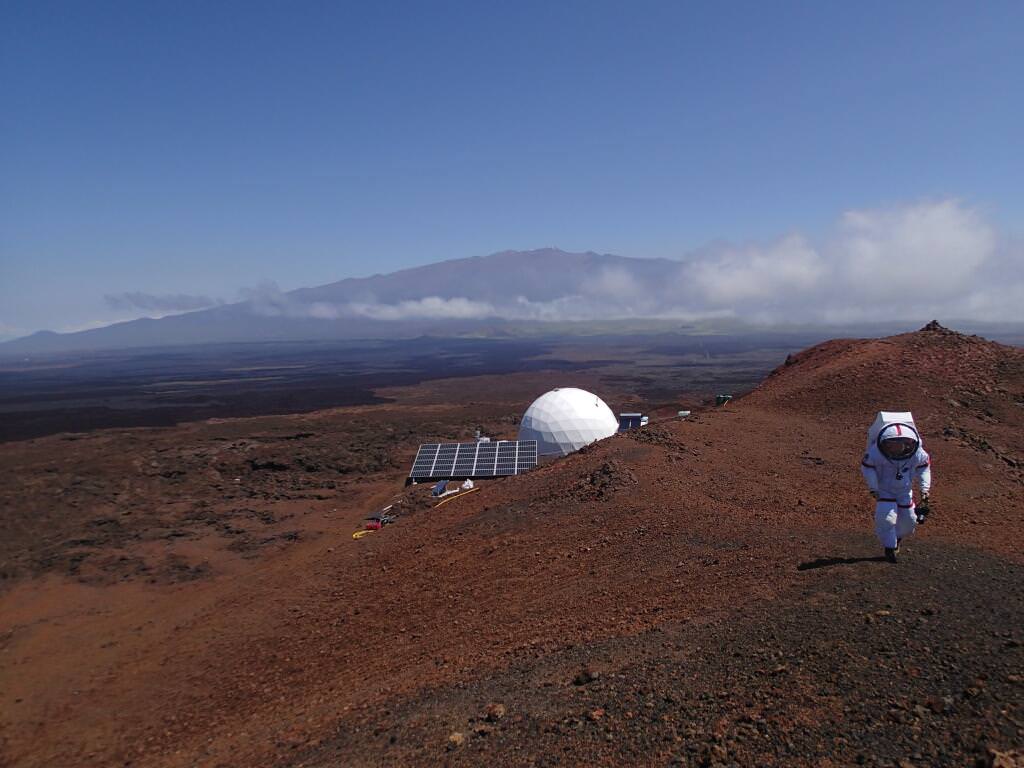
The Astrosociology Research Institute is studying how humans can thrive, not merely survive, in extraterrestrial environments as space agencies prepare for crewed missions to the Moon and Mars.
NASA and China plan crewed lunar missions by the end of the decade with permanent infrastructure. Both agencies aim for Mars boots on the ground by the 2030s or 40s. The European Space Agency participates in the Artemis Program and plans to send the ExoMars Rosalind Franklin rover to Mars in 2028. India's Gaganyaan program aims to send the first "gaganauts" to space next year.
The ARI, founded by Dr. Jim Pass in 2008, examines spaceflight through social sciences. The field merges psychology, anthropology, economics, political science, space law, philosophy, and the arts with engineering expertise. As postdoctoral researcher Mia Belle Parkinson wrote, questions about trust in isolated environments and the psychological impact of living on the edge of the unknown matter as much as propulsion systems and radiation shielding.
Analog astronaut training extends back to NASA's Apollo Geology Field Trips between 1964 and 1972, when astronaut groups trained at sites including Meteor Crater in Flagstaff, Arizona, and volcanic fields in Hawaii. The Soviets conducted the BIOS-3 closed ecosystem experiment in Krasnoyarsk in 1965. Tektite I and II in 1969 and 1971 studied human behavior in pressurized ocean-floor habitats.
Beth Mund, a former NASA advisor and experienced analog astronaut, participated in the HI-SEAS program on Mauna Loa, the LunAres Research Station in a converted Polish World War II bunker, and the Jules Undersea Lodge in Florida. Mund identified four universal human responses in confined environments: improvisation, ritual, continuity, and reconnection. She noted that equipment failures force crews to adapt and discover capabilities within tight resource constraints.