JPL physicist Dr. Slava Turyshev published a study in August examining how orbital data centers would require ongoing maintenance once deployed in space. The research, available in preprint on arXiv, identifies a central problem: AI hardware becomes obsolete every 3 to 5 years, yet launching replacement components to orbit presents enormous logistical challenges.
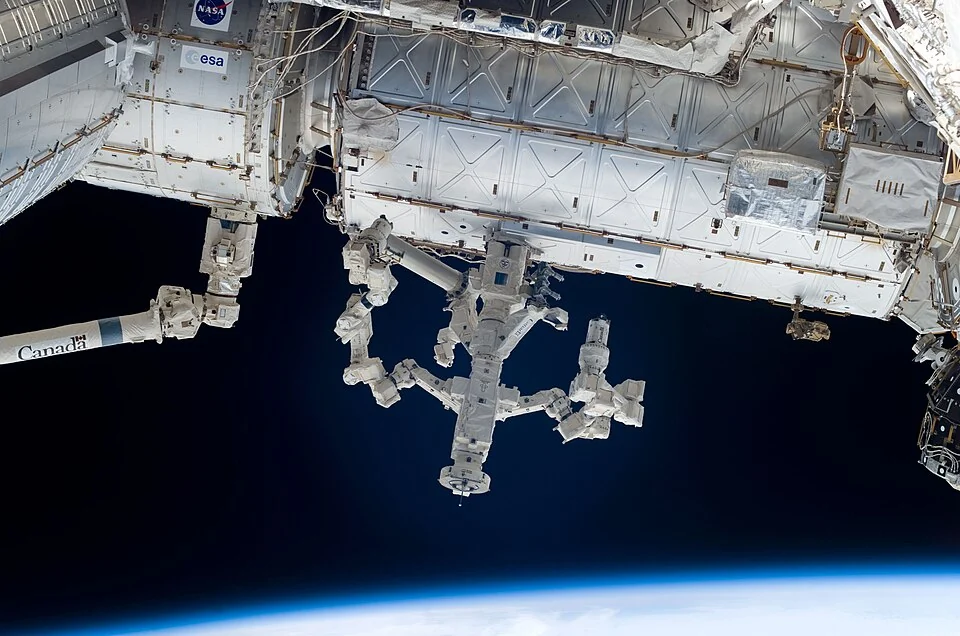
Turyshev proposes designing orbital data centers around modular "orbital replacement units" (ORUs) that robots could swap in space. The architecture includes three tiers: 5 kilowatt compute modules holding memory and storage, subsystems like power converters and batteries handled by robotic arms with 6 or 7 degrees of freedom, and solar arrays and radiator panels that require less frequent replacement.
The scale becomes daunting at gigawatt levels. A 1 gigawatt orbital cluster, comparable to a major modern AI data center on Earth, would require 400,000 automated replacement tasks annually. Supplying parts for such a system would demand launching up to 25 metric tons of replacement cargo every day, far exceeding current launch capacity.
Crewed maintenance could theoretically help, but the paper estimates housing and feeding a crew of 4 to 6 technicians to manage a data center constellation would cost $500 million to $1.5 billion per year. Until orbital infrastructure reaches several hundred megawatts to gigawatt scale, that remains economically infeasible.
Companies planning orbital data centers currently propose building intentionally disposable satellites, discarding still-useful solar panels and radiators alongside obsolete processors. Turyshev argues that designing for modular hardware replacement would be more sustainable than launching tens of thousands of satellites annually to burn up in Earth's atmosphere.