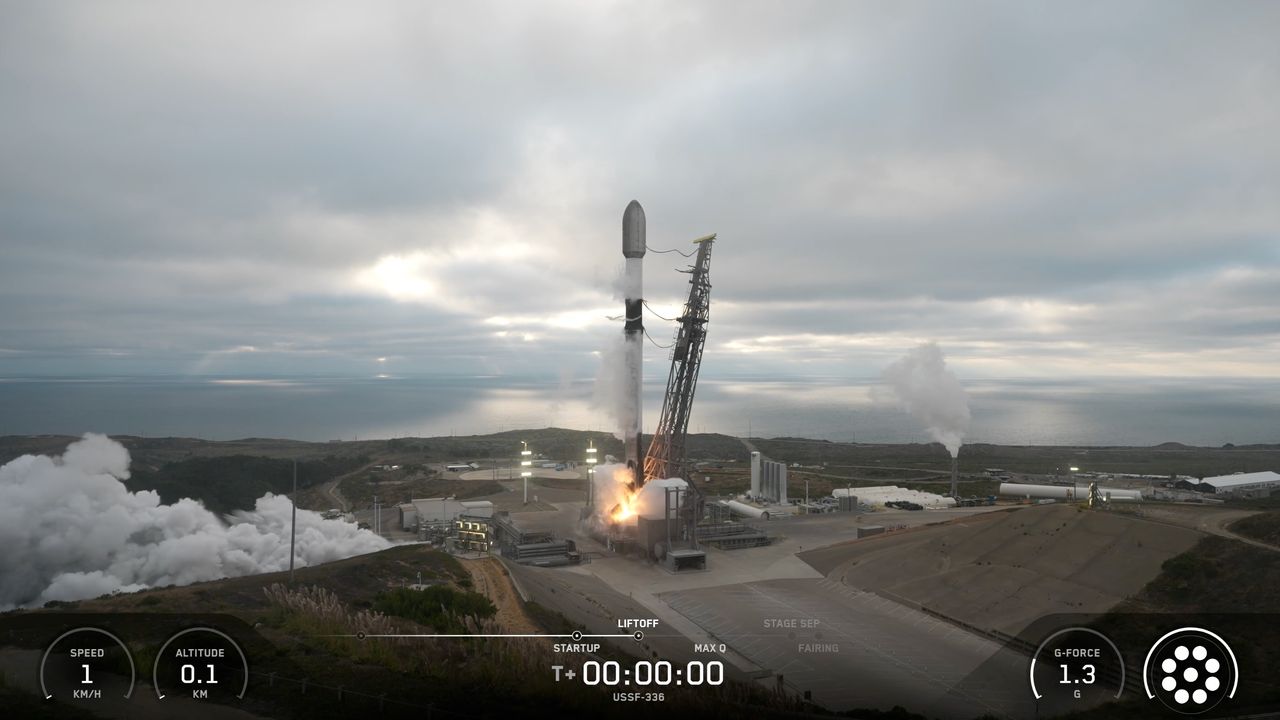
SpaceX achieved a new cadence record on Saturday, August 15, launching two Falcon 9 rockets within 38 minutes of each other. The feat demonstrates the company's operational velocity and the efficiency gains SpaceX has built into its launch infrastructure over the past several years.
The dual launches originated from different facilities on the Space Coast of Florida. SpaceX operates multiple launch pads at Cape Canaveral Space Force Station and Kennedy Space Center, enabling rapid-fire operations that were previously theoretical exercises. Executing two orbital-class missions in quick succession requires synchronized ground crews, redundant systems, and meticulous flight sequencing to avoid range conflicts and ensure crew safety.
This record reflects the maturation of SpaceX's Falcon 9 program. The vehicle has become the workhorse of commercial spaceflight, regularly delivering payloads to orbit and returning its first stage for reuse. Each booster in the Falcon 9 fleet now flies multiple times, reducing turnaround times between missions. Reusable first stages were once viewed as exotic engineering. Today they represent standard operational practice at SpaceX, with boosters flying six, seven, or more times during their service life.
The compressed timeline between launches showcases SpaceX's investment in ground infrastructure and launch automation. Mission sequencing software, fueling systems, and launch control operations have been optimized to handle multiple concurrent missions. The company has expanded its pad capacity at both facilities, allowing crews to prepare vehicles in parallel rather than serial sequence. This infrastructure flexibility enables SpaceX to respond rapidly to customer demands and weather windows.
The 38-minute interval surpasses the previous record held by United Launch Alliance in 2019, when the company launched two Atlas V rockets 27 minutes apart from Cape Canaveral. ULA's achievement was notable in its era. SpaceX's latest record reflects the pace at which commercial launch providers continue to accelerate.
Saturday's launches likely carried either Starlink satellites or government payloads. The Starlink constellation continues expanding, requiring frequent cadence to maintain coverage and redundancy. SpaceX also flies national security missions for the Space Force and National Reconnaissance Office, where scheduling flexibility and launch availability drive operational advantage.
The record carries implications beyond commercial bragging rights. As space becomes increasingly contested and congested, launch cadence matters. Rapid launch capability strengthens national security posture. It enables faster satellite constellation deployments. It demonstrates that orbital space is becoming more accessible and routine, lowering costs across the industry through competition and operational efficiency.
SpaceX continues pushing toward higher flight rates. The company has publicly discussed conducting daily Falcon 9 launches once Starship achieves operational status. The current record of two rockets in 38 minutes previews a future where space launch frequency rivals airline operations. That future remains years away, but each incremental record brings the industry closer to sustainable, routine space access.
The August 15 launches reinforce SpaceX's operational dominance in the global launch market. No other provider currently matches this cadence. As competitors invest in reusable vehicle programs and expanded launch infrastructure, SpaceX's ability to set records with increasing regularity underscores the difficulty of catching up to a company already executing at scale.