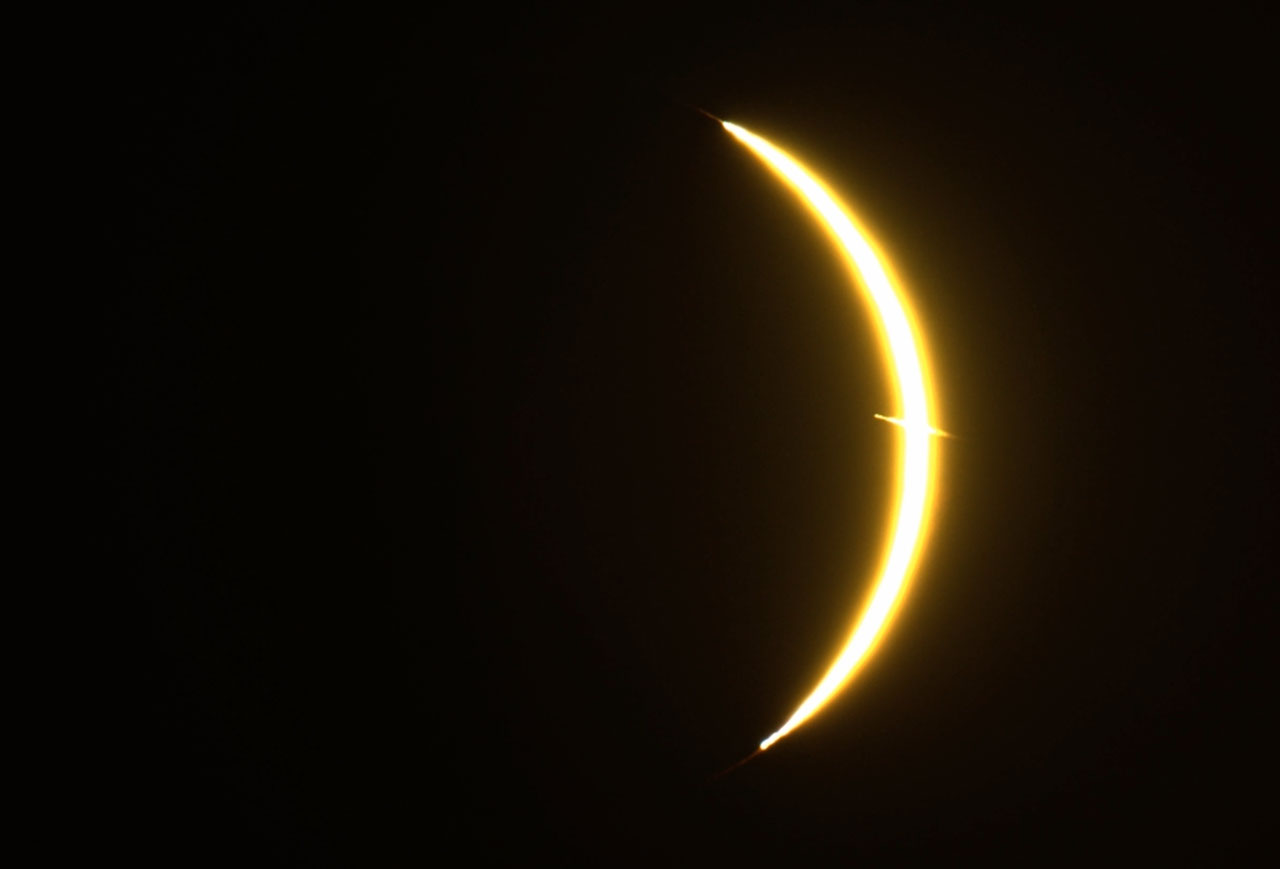
NASA's Astronomy Picture of the Day for August 19, 2026 examines an intriguing atmospheric phenomenon that defies easy classification. The featured image captures what may or may not be a meteor, prompting astronomers to reconsider how we identify and categorize objects entering Earth's atmosphere.
The mystery centers on distinguishing between genuine meteoritic material and other atmospheric phenomena. Meteors represent fragments of asteroids or comets that burn up in the upper atmosphere, creating the streaks of light observers see during meteor showers. The ambiguity here reflects a real challenge in astronomy, where visual evidence alone sometimes proves insufficient for definitive identification.
What makes this case noteworthy is that it highlights gaps in our detection methods. Ground-based optical observation, while valuable, occasionally produces ambiguous results when objects display characteristics of multiple phenomena. The object in question exhibits features consistent with meteor activity but also shows properties that could indicate other causes, such as space debris, atmospheric phenomena, or instrumental artifacts.
This kind of scientific uncertainty drives methodology improvement. Professional astronomers use multiple data sources to verify observations, including satellite imagery, radar data, and spectroscopic analysis. When a single image leaves room for interpretation, researchers turn to these additional tools to build confidence in their conclusions.
The APOD program, operated by NASA and the Goddard Space Flight Center, regularly features such borderline cases to educate the public about the messy reality of observational science. Not every astronomical question has a clean answer. Sometimes the universe presents ambiguity that requires patience, additional evidence, and collaborative investigation to resolve.
Cases like this "mysterious maybe meteor" underscore why sustained observation networks matter for planetary science. Better understanding of our atmospheric environment, including distinguishing genuine meteoric events from other phenomena, improves our ability to track near-Earth objects and better comprehend the debris environment surrounding our planet.