# Ancient Hawaiian Star Names Guide Modern Astronomy's Search for Cosmic Connections
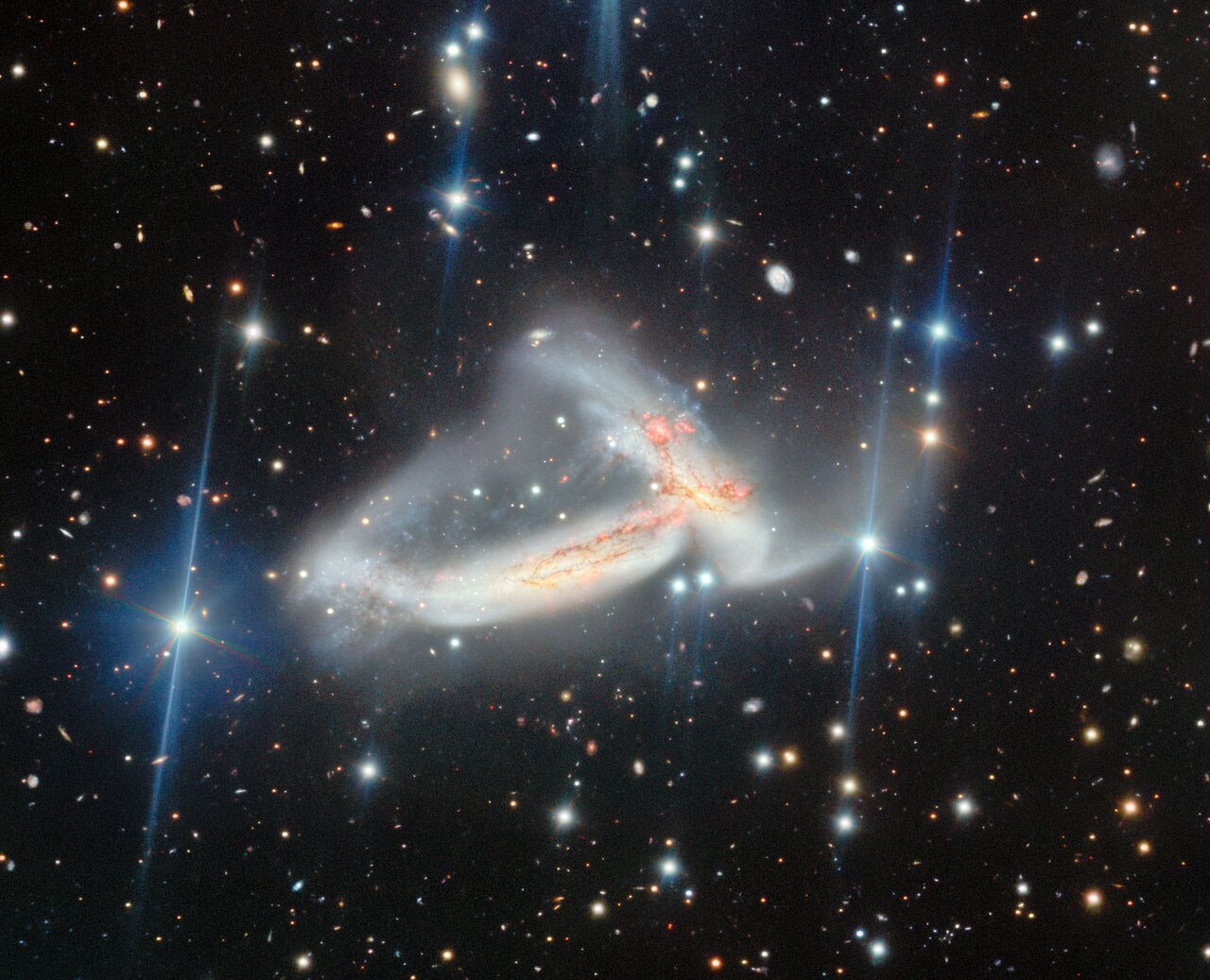
NASA's Astronomy Picture of the Day program highlighted a celestial image paired with Hawaiian astronomical nomenclature, reconnecting contemporary space science with indigenous Pacific knowledge systems that guided navigation and timekeeping for centuries.
The featured observation, titled "Na Uhane Mahoe Huki Pu i ke Ola" in Hawaiian, draws from a sophisticated celestial understanding developed by Native Hawaiian astronomers long before telescopes existed. These observers mapped stars, planets, and celestial phenomena using names that encoded practical information about seasonal patterns, navigation routes across open ocean, and agricultural cycles tied to stellar positions.
APOD, operated by NASA's Goddard Space Flight Center since 1995, serves as a daily platform for connecting astronomical discoveries with cultural and historical context. The program reaches millions of educators, students, and astronomy enthusiasts worldwide. Each entry pairs professional astronomical imagery with explanatory text written by working astronomers, making current research accessible to general audiences.
Hawaiian star knowledge, documented through oral tradition and transmitted across generations of voyagers, represents one of humanity's oldest continuous astronomical traditions. Practitioners like Kūkulu, ʻŌpū, and other recognized experts developed detailed star charts and mnemonic systems embedded in chants, stories, and navigation protocols. These systems enabled Hawaiian wayfinders to navigate vast Pacific distances without instruments, using stellar positions, ocean swells, and bird behavior to maintain course across thousands of miles of open water.
Modern astronomy benefits from recognizing and integrating these traditional knowledge systems. The International Astronomical Union has increasingly incorporated indigenous place names and cultural astronomical references into official celestial nomenclature. This practice acknowledges that astronomy is not exclusively a Western scientific enterprise. Indigenous peoples across cultures observed, recorded, and theorized about celestial mechanics long before European telescopes emerged.
The Hawaiian astronomical lexicon includes specific terms for different star types, their risings and settings, and their relationships to other celestial objects. Names often encode navigational information directly. A star's Hawaiian name might indicate its heliacal rising date, its usefulness for latitude determination, or its seasonal importance for fishing and cultivation. This compressed information storage within language represents an early form of data encoding.
NASA's emphasis on this cultural connection through APOD reflects broader institutional recognition that space exploration benefits from diverse perspectives. Hawaiian wayfinding knowledge, validated through extensive Pacific voyaging evidence, demonstrates sophisticated mathematical and observational capabilities that rival early European astronomy. Contemporary navigators, including practitioners of traditional wayfinding, continue to use these star-based methods alongside GPS technology.
The Polynesian Voyaging Society, in partnership with Hawaiian cultural practitioners, has reconstructed and actively sailed traditional double-hulled canoes using exclusively traditional wayfinding methods. These voyages, including the famous Hōkūleʻa expeditions, prove that pre-contact Hawaiian astronomy enabled reliable transoceanic navigation. This validation demonstrates that indigenous astronomical knowledge was operationally sound and sophisticated.
As NASA and other space agencies expand their commitment to equity and inclusion within astronomy and space science, initiatives like featuring Hawaiian star names in APOD serve practical purposes beyond symbolic recognition. They signal that the space science community values multiple knowledge systems and welcomes voices from communities historically excluded from mainstream astronomy. For Hawaiian students, educators, and cultural practitioners, seeing their astronomical heritage featured by NASA validates their connection to space exploration and creates pathways for indigenous participation in contemporary astronomical research and education.