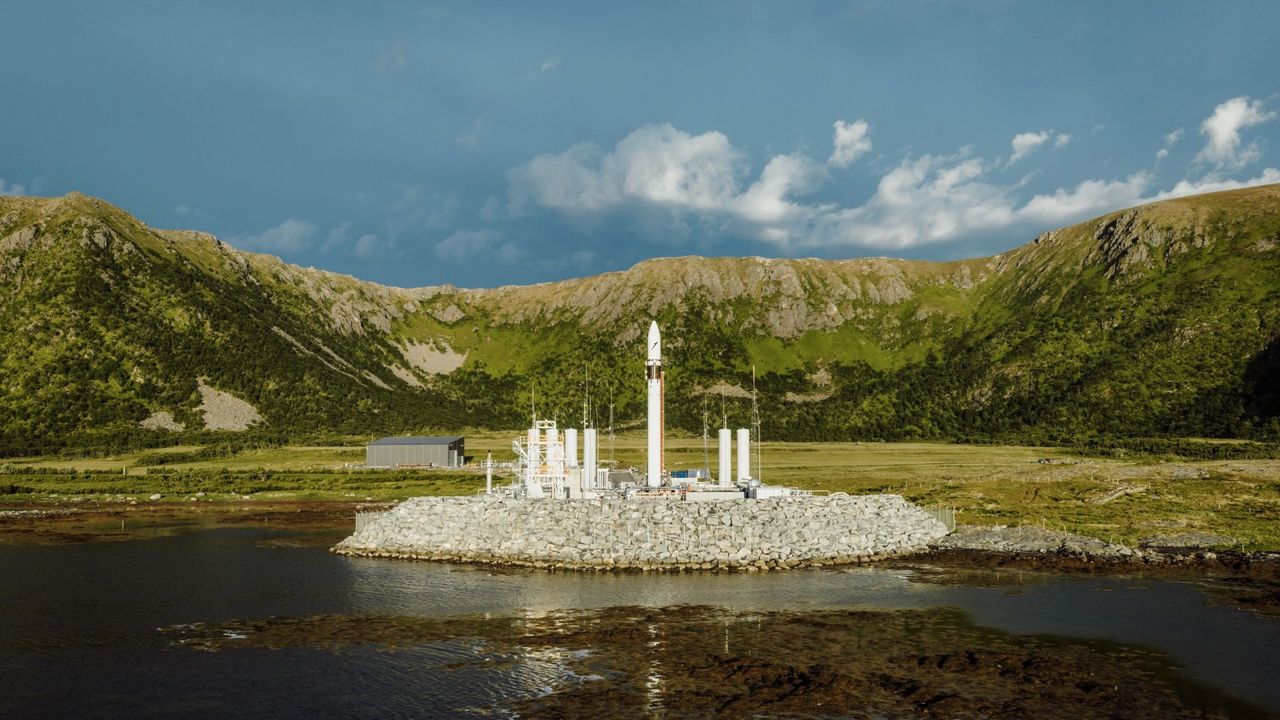
Isar Aerospace is attempting a historic orbital launch from Norway today. The Munich-based company's Spectrum rocket aims to become the first vehicle to reach orbit from European soil, a milestone that would reshape the continent's access to space.
The launch window opens on September 5 from a site in northern Norway. This represents a pivotal moment for European spaceflight independence. While Europe has launched rockets from French Guiana for decades through Arianespace, those launches originate from South American territory. A successful Norwegian launch would mark the first time a rocket has reached orbit departing from European ground, establishing Norway as an orbital launch destination.
Isar Aerospace designed Spectrum as a small-lift-launch vehicle, tailored for deploying small satellites to low Earth orbit. The rocket reflects a broader shift in the launch industry toward smaller, more nimble platforms. Traditional heavy-lift systems like Ariane 5 or Ariane 6 serve large government and commercial customers, but a dedicated small-lift provider fills a different market segment. Startups and academic institutions increasingly need affordable rides to orbit, and Spectrum targets that demand.
The company founded in 2018 has raised substantial funding and secured a launch agreement with the Norwegian Space Agency, securing access to Andøya Space's facilities in Andøya, Norway. This infrastructure sits at 69 degrees north latitude, offering advantages for reaching polar and sun-synchronous orbits. The location appeals to Earth observation operators and other satellite missions preferring high-inclination trajectories.
Success would validate Isar Aerospace's engineering and operational capabilities, positioning the company as a competitor to other small-launch providers like Rocket Lab, which operates from New Zealand and now launches from U.S. territory. European launch alternatives remain limited. ABL Space Systems and other ventures have pursued European operations, but none have yet achieved orbital velocity from the continent.
A successful orbital insertion would also strengthen Europe's technological autonomy in space. Recent supply chain disruptions and geopolitical tensions have underscored the strategic value of domestic launch capacity. The European Space Agency and national governments have prioritized reducing reliance on external providers. Each successful European-based orbital launch reinforces that capability.
The broader context includes increasing launch cadence worldwide. SpaceX's Falcon 9 launches nearly weekly. Blue Origin's New Shepard continues suborbital operations while New Glenn development continues. Rocket Lab has established a launch rhythm. China's commercial sector accelerates. Against this backdrop, European players face pressure to demonstrate their own operational reliability and efficiency.
Isar Aerospace's attempt carries technical and commercial stakes. Spectrum must demonstrate stable flight through several critical phases. Booster separation, engine cutoff timing, and upper-stage performance all demand precision. The company has tested components extensively, but orbital insertion remains the ultimate validation.
Live coverage through Space.com and other outlets will document the launch attempt. Viewers will witness either Europe's entry into the operational spacefaring club or a setback requiring investigation and refinement. Either outcome provides data for the evolving European launch sector. Today's launch represents not just one company's ambition but a continent's push toward spaceflight self-sufficiency.