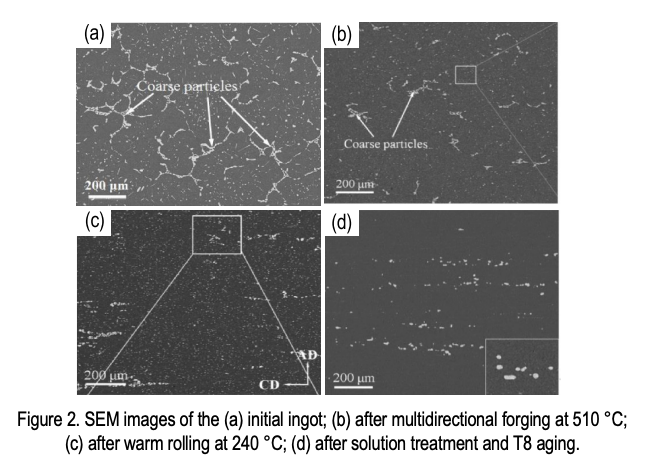
NASA has issued technical guidance on aluminum alloy 2219, a material critical to spacecraft construction, warning that manufacturing defects during casting and forging operations can compromise the metal's structural integrity and corrosion resistance.
Technical Bulletin 26-07, released by Kennedy Space Center, identifies specific risks in how 2219 aluminum is processed during production. Improper casting and forging techniques introduce microstructural defects into the material. These internal flaws degrade how the aluminum responds to anodic surface treatments, the protective oxidation process that shields aerospace components from corrosion in harsh environments.
Aluminum 2219 has served as a workhorse material for the aerospace industry for decades. NASA selected it for critical structures including Space Shuttle external tanks, Saturn V rocket stages, and components on the Space Launch System. The alloy combines high strength with relative lightness, essential properties for launch vehicles where every kilogram of structural mass reduces payload capacity. Its weldability also makes it easier to fabricate large rocket sections than many competing aluminum alloys.
The corrosion vulnerability that results from manufacturing defects poses direct risks to spacecraft safety and longevity. Structural components exposed to salt water, humidity, and thermal cycling can develop stress corrosion cracking if the anodic protective layer fails. For orbital vehicles, this degradation occurs over years of operation. For launch vehicles, contaminated material can cause unexpected failures during assembly or early flight phases.
Kennedy Space Center's Materials Science and Engineering Division, led by contact Donald S. Parker, developed this bulletin to standardize manufacturing protocols across suppliers and internal NASA operations. The guidance documents optimal casting temperatures, cooling rates, and forging parameters that prevent the microstructural defects described. Technical specifications establish acceptable limits for grain size, precipitate distribution, and other metallurgical properties that control material performance.
The bulletin represents preventive engineering. Rather than discovering defects during component testing or in-service failure analysis, NASA establishes manufacturing standards upstream. Suppliers manufacturing 2219 for NASA programs must now comply with TB 26-07 specifications or face rejection of material batches. This approach reduces costly rework, schedule delays, and safety risks.
Aluminum 2219 remains essential for current and future NASA programs. The Space Launch System, NASA's next-generation heavy-lift vehicle, incorporates 2219 components in its core stage and boosters. Commercial launch providers also rely on the alloy for their vehicle structures. As SpaceX, Blue Origin, and other companies scale manufacturing operations, adherence to material specifications becomes critical for flight reliability.
NASA publishes technical bulletins throughout the year as experience accumulates and manufacturing processes evolve. These documents form the backbone of NASA's Materials and Processes Technical Standards. Aerospace contractors, government agencies, and international space programs reference them to ensure components meet performance requirements.
The full PDF guidance from Kennedy Space Center provides detailed metallurgical specifications, testing procedures, and acceptance criteria for 2219 aluminum. Organizations manufacturing or procuring this material should review the bulletin and adjust supply chain practices accordingly.