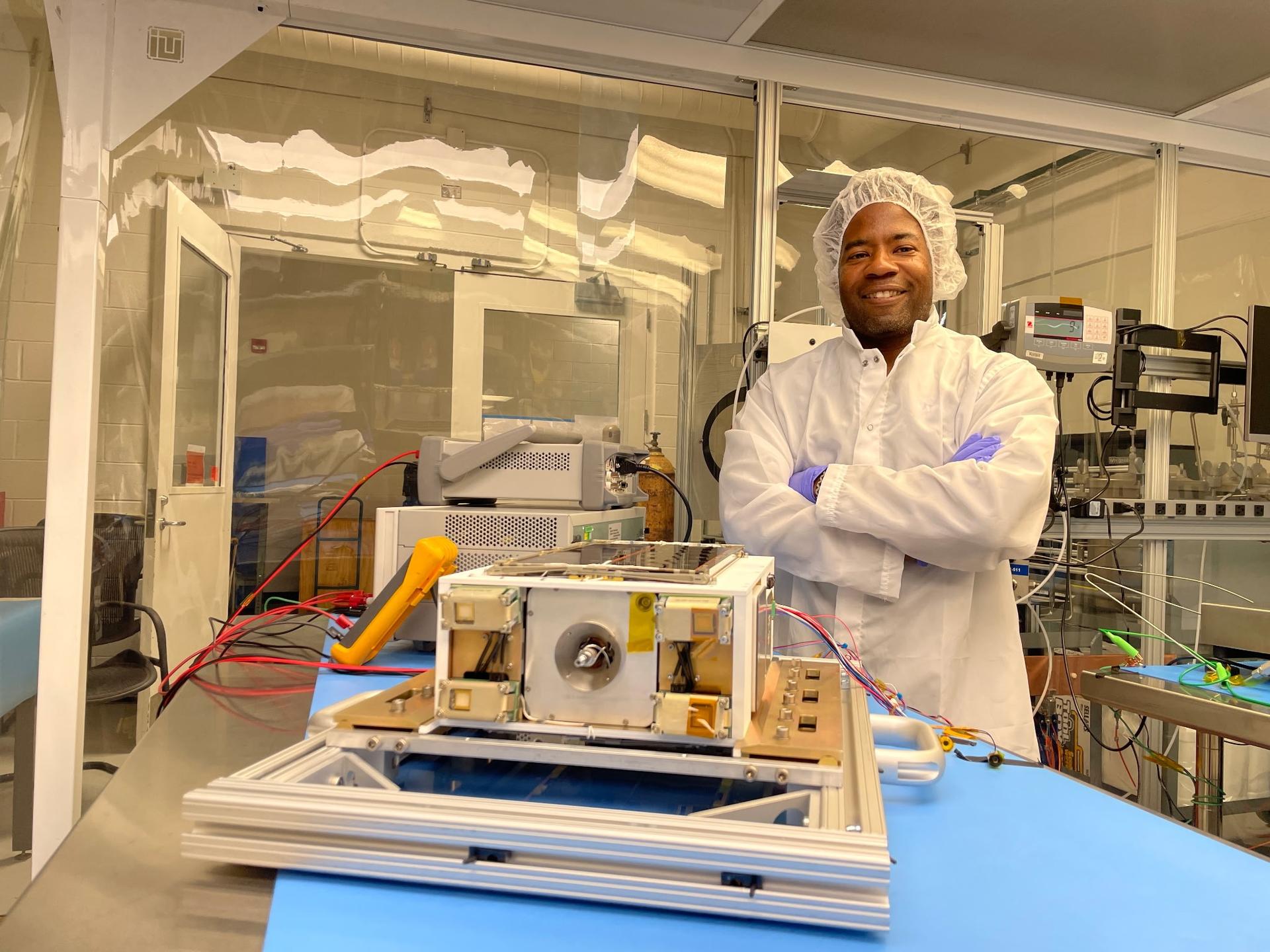
NASA engineers at the Marshall Space Flight Center in Huntsville, Alabama have completed comprehensive testing on an experimental CubeSat equipped with dual mode propulsion technology. The achievement represents a departure from traditional spacecraft design, which relies on separate, bulky systems and volatile fuels to accomplish different maneuvers in space.
The dual mode propulsion system consolidates multiple functions into a single, compact engine. This integration reduces the overall mass of the spacecraft while improving reliability. By eliminating redundant systems, engineers can allocate more mass budget to scientific instruments or mission-critical equipment. The system also lowers the risk profile for small satellite operations by minimizing exposure to hazardous propellants.
CubeSats, standardized nanosatellites measuring 10 centimeters on each side, have become the backbone of small satellite operations. They offer affordable access to space for universities, private companies, and research institutions. However, early CubeSats lacked sophisticated propulsion capabilities. Most relied on passive atmospheric drag for orbital decay or operated without maneuvering ability. The Marshall Space Flight Center project directly addresses this limitation.
The dual mode engine can operate in multiple configurations depending on mission requirements. Traditional monopropellant systems use hydrazine or other hypergolic propellants. Alternatively, some spacecraft employ cold gas thrusters or electrostatic systems. The Marshall team's innovation combines operational flexibility with safety improvements. The test campaign evaluated the system's performance across various environmental conditions including thermal cycling, vibration exposure, and vacuum simulation.
This development comes as NASA pursues broader initiatives to reduce launch costs and improve rapid deployment of small satellites. The agency's commitment to commercial partnerships and in-space operations requires improved propulsion technology at smaller scales. CubeSats launched as secondary payloads have demonstrated scientific return in Earth observation, communications relay, and technology demonstrations. Enhanced propulsion capabilities multiply these applications.
The spacecraft completed rigorous environmental and physical tests before advancing toward launch readiness. Marshall Space Flight Center specializes in propulsion system development and has led engine testing programs for decades. Their expertise in testing protocols ensures the dual mode system meets mission reliability requirements.
Future applications include constellation deployment, where multiple CubeSats coordinate to provide continuous coverage or swarm operations. Improved maneuverability enables precise orbital adjustments without ground station intervention. The technology also supports deorbit maneuvers, allowing satellite operators to dispose of spacecraft responsibly. As orbital debris accumulates, active deorbit capability becomes increasingly important for responsible space operations.
The dual mode propulsion CubeSat represents incremental but meaningful progress toward safer, more capable small satellite operations. NASA continues iterating on in-space transportation architecture. This project feeds into broader agency goals for lunar and Mars logistics, where small satellites play supporting roles in cargo delivery and communications networks. The successful test completion moves the technology toward practical operational deployment, opening new possibilities for rapid, affordable, and responsive space access.