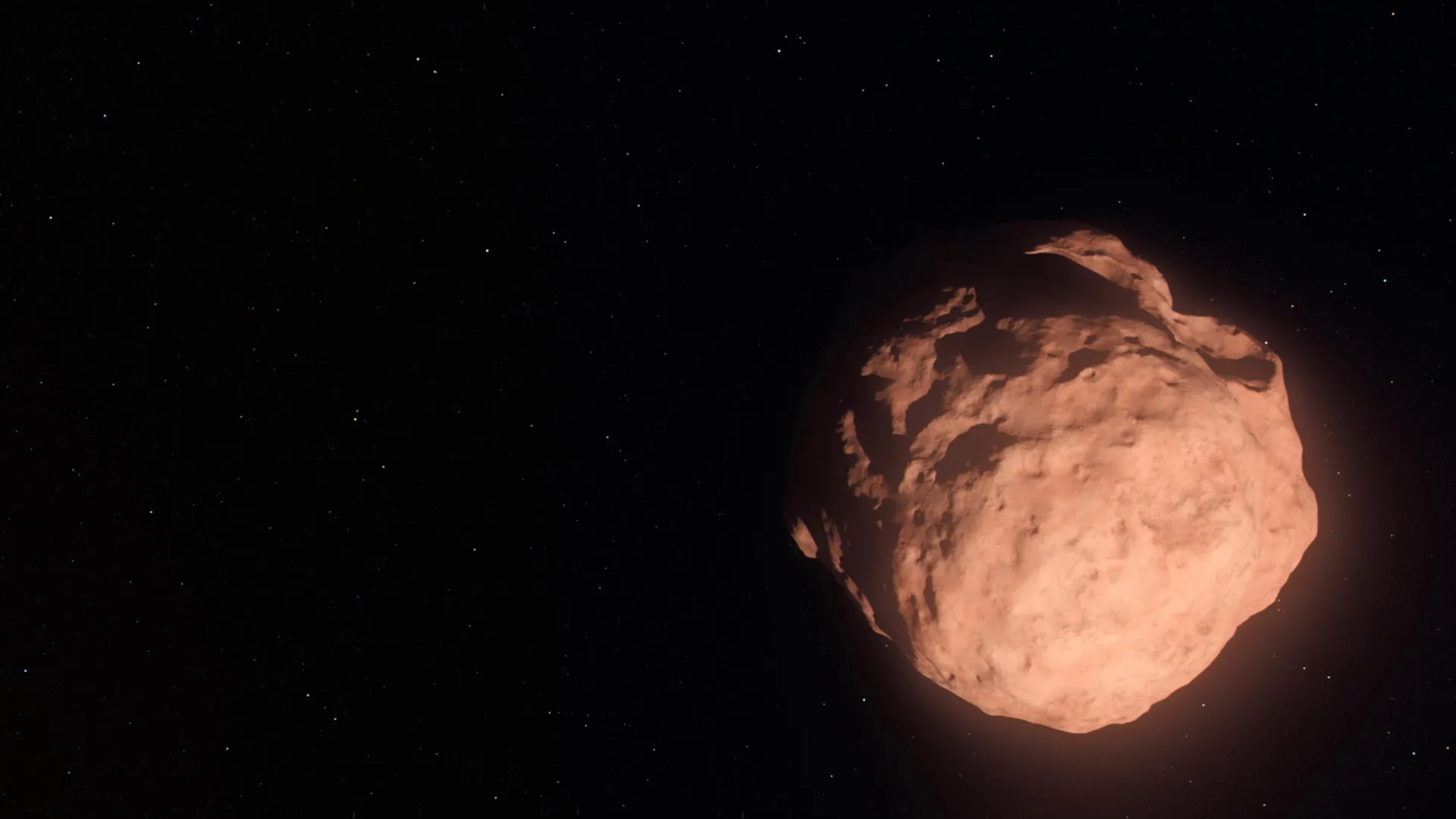
NASA's Hubble and James Webb Space Telescopes discovered 27 previously unknown trans-Neptunian objects, tiny bodies orbiting beyond Neptune, by observing the same sky region simultaneously. Hubble collected visible light while Webb captured infrared data.
The objects revealed an unexpected puzzle. Fewer small TNOs exist than some formation models predicted, yet their colors matched those of much larger distant bodies. The smallest object measured just 3 miles across, making it five times smaller than objects detectable from ground-based telescopes. One object was so faint that detecting it would resemble spotting fireflies on the Moon from Earth.
Research teams led by PhD candidates at the University of Victoria and Northern Arizona University examined two populations of trans-Neptunian objects. Cold TNOs remain near their formation regions in circular orbits. Hot TNOs were scattered outward when giant planets shifted early in solar system development and now follow elongated paths.
Despite their different histories, both populations showed the same color patterns. Scientists expected smaller objects to display color changes from billions of years of collisions that would expose fresh material. Instead, even the tiniest TNOs preserved the same surface characteristics as larger ones.
"You could imagine a scenario where getting knocked around and fragmented would change the surface composition, and then you would see a different surface color for tiny TNOs compared to their larger siblings. So it's really fascinating to see that the smallest objects are somehow 'remembering' and preserving the history of how they were made," said Northern Arizona University PhD candidate Anastasia Morgan.
The size distributions of hot and cold TNO populations were remarkably alike despite forming in different regions. This suggests planetesimal formation processes operated similarly across varying environments. Researchers have not yet determined whether fewer collisions occurred than expected or whether surfaces somehow retained their original compositions after impacts.