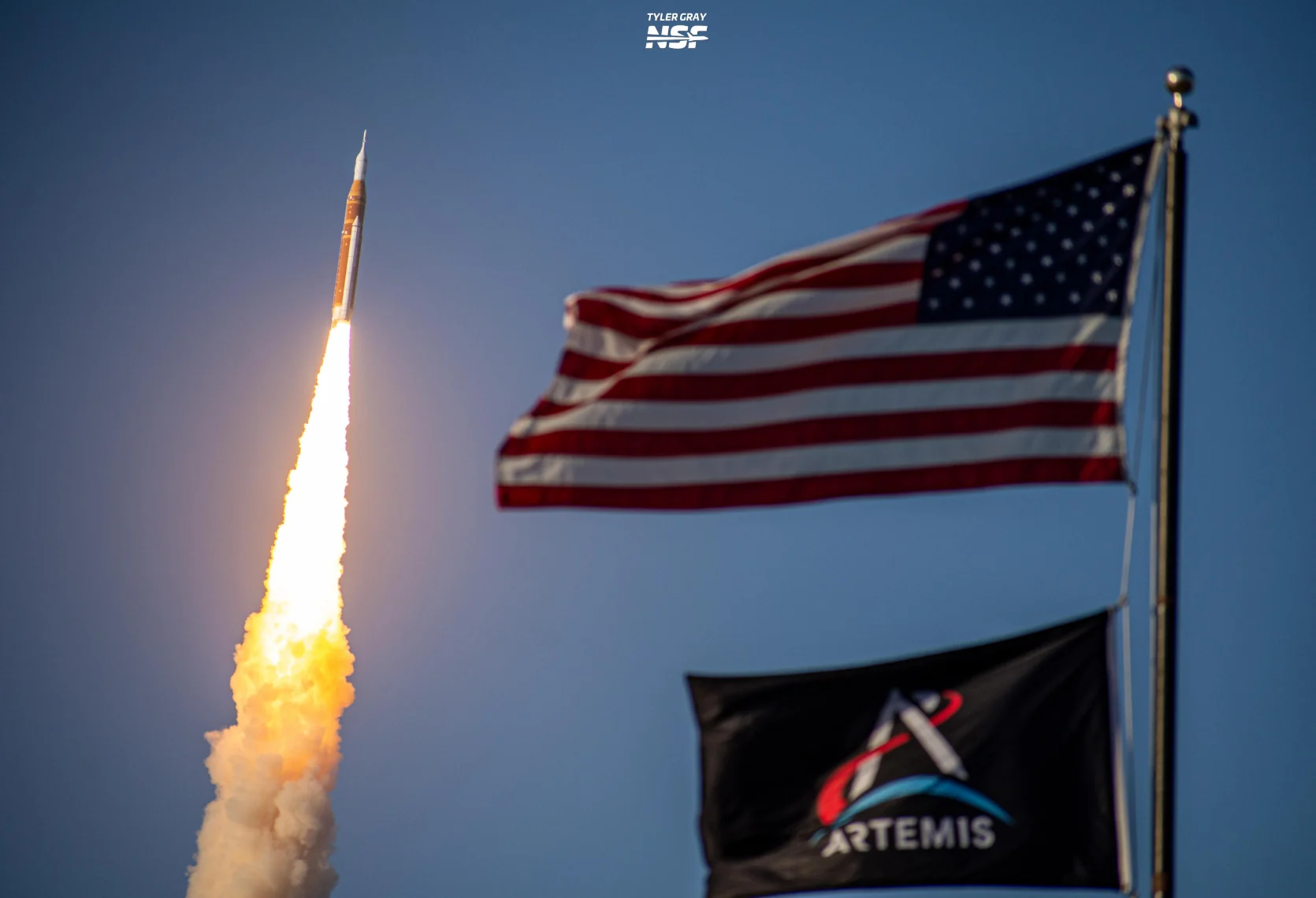
NASA Administrator Jared Isaacman outlined plans to standardize the Space Launch System and shift toward higher flight rates and lower costs through the 2030s. The agency will abandon the SLS Block 1B and its Exploration Upper Stage, instead moving a stretched Centaur V upper stage into production for use on both SLS and United Launch Alliance's Vulcan rocket.
Isaacman said the stretched Centaur remains in development, with material testing progressing and NASA and ULA carrying out activities in parallel. The first mission to use the new stage remains undecided. Both the interim Cryogenic Propulsion Stage and stretched Centaur V remain options for Artemis IV.
NASA will stop work on Mobile Launcher 2, though it acknowledged the partly built structure's visible progress. Isaacman said the launcher was not operationally ready and that an eight-month launch cadence would not require a second mobile launcher. Components from ML-2 and the canceled upper stage will be provided to Blue Origin for pad rebuild and landers, and used to give younger engineers hands-on experience.
NASA's goal remains flying crewed missions at least once a year, with less than 12 months between launches. The agency seeks to preserve the possibility of two launches in 2028. Industry responses to NASA's request for information on commercial lunar transportation pointed to the 2030s for a transition rather than an immediate replacement. Isaacman said Orion is likely to remain part of the lunar architecture into the 2030s, potentially using other launch vehicles and transfer stages.