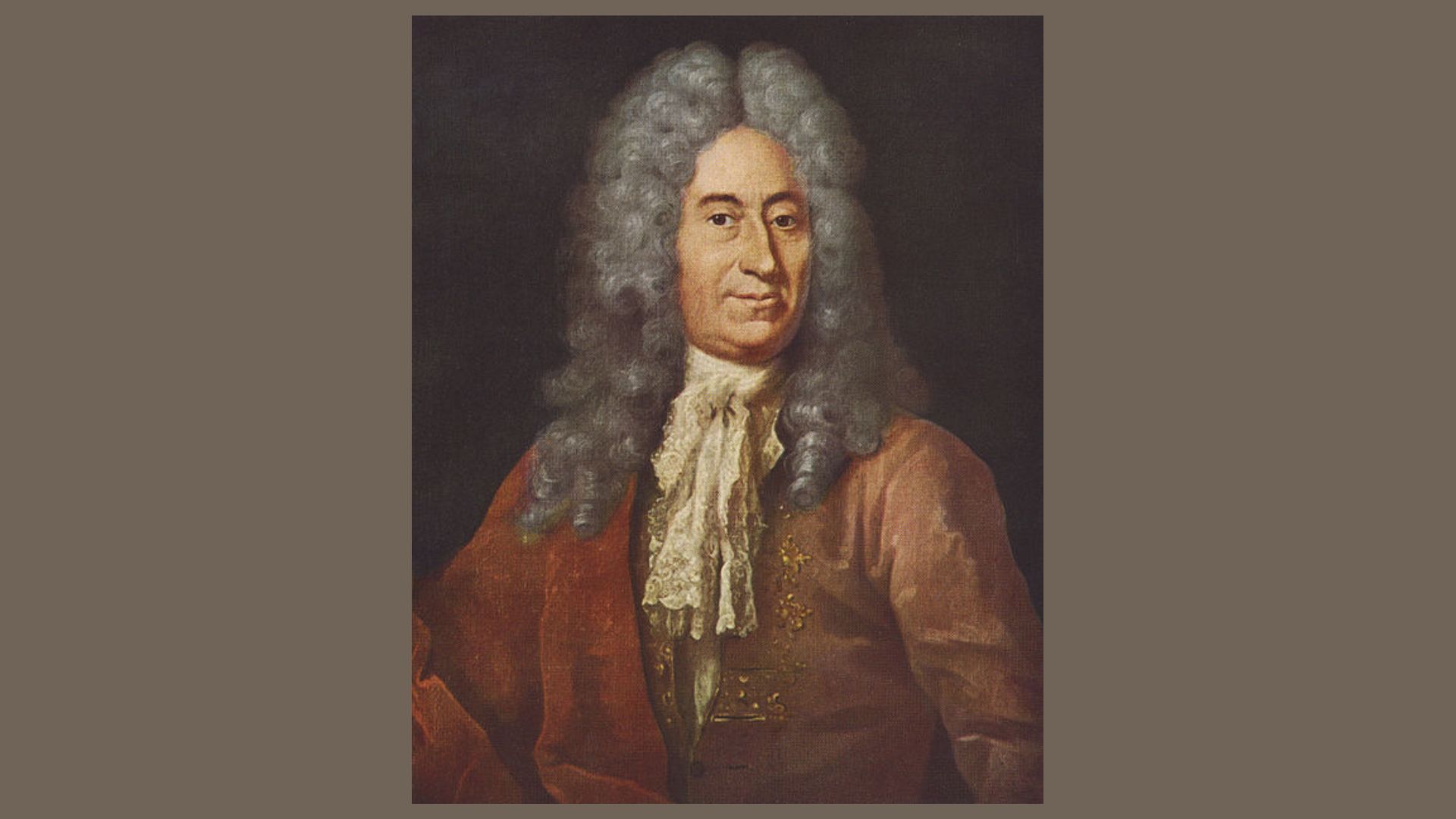
On Nov. 21, 1676, Danish astronomer Ole Rømer presented findings to the Royal Academy of Sciences demonstrating that light travels at a finite speed, not instantaneously as scientists believed.
Rømer made the discovery while studying Jupiter's moon Io. He observed Io disappearing behind Jupiter and reappearing on the other side repeatedly over years, tracking the eclipses every 42 hours. He noticed the timing varied by 11 minutes depending on Earth's position relative to Jupiter. When Earth was closest to Jupiter, eclipses occurred 11 minutes early. When farthest, eclipses ran 11 minutes late.
Rømer identified the pattern and accurately predicted Io's eclipse on Nov. 9, 1676. He concluded that the variation resulted from light taking time to travel across changing distances between Earth and Jupiter.