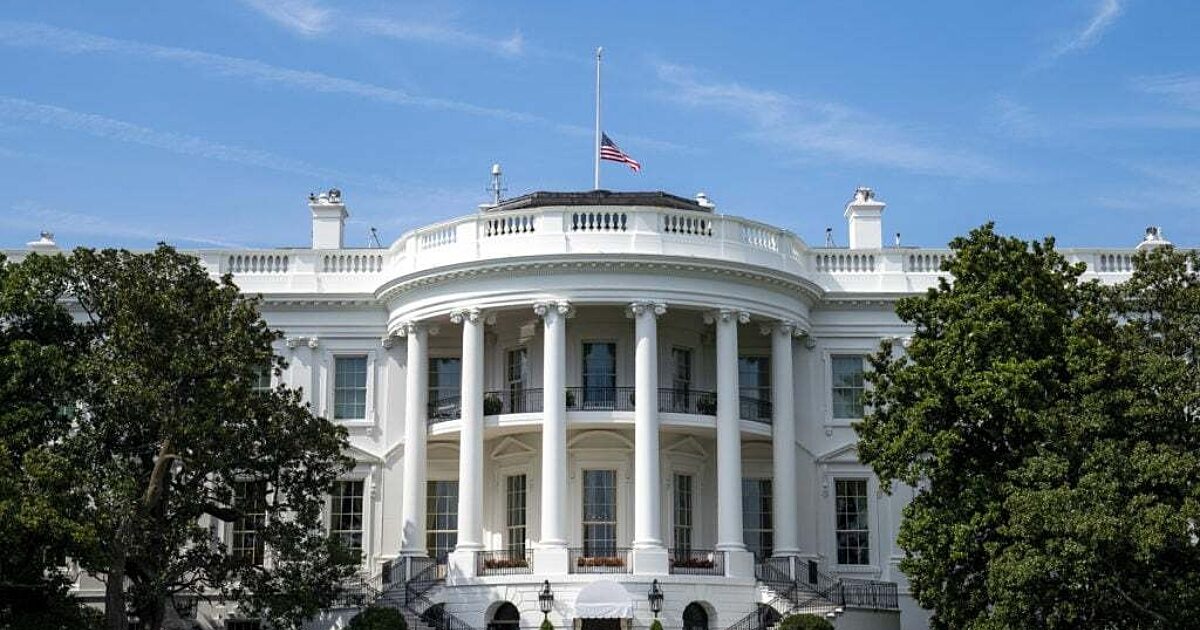
The White House Office of Management and Budget received nearly 500,000 public comments on proposed rule changes that would reshape how federal science funding operates across the nation. The Planetary Society reports on what happens next in the regulatory process.
The proposed OMB rules would alter fundamental mechanisms of science funding in the United States. The sheer volume of comments, approaching half a million submissions, signals intense engagement from researchers, institutions, advocacy groups, and the public. Such response rates are rare in federal rulemaking and typically indicate deep concern about the proposed changes.
The next phase of the regulatory process follows standard federal procedure. OMB must now review all submitted comments and prepare a written response to the major themes, arguments, and data presented by commenters. Agencies within the executive branch will analyze feedback for scientific merit, implementation feasibility, and potential unintended consequences. This review period typically spans weeks to months depending on the complexity of the rule and volume of comments.
After internal review, OMB faces several possible paths forward. The agency could proceed with the rule as originally proposed, modify the rule to address substantial concerns raised in comments, or withdraw the proposal entirely. Any significant modifications would likely trigger a new round of public comment, extending the timeline considerably. Withdrawal remains possible if OMB determines the rule cannot achieve its stated objectives or if the feedback reveals fatal flaws in the approach.
The timing matters for the research enterprise. Federal science funding flows through competitive grant programs at agencies including NASA, the National Science Foundation, the Department of Energy, and the National Institutes of Health. Rule changes affecting how grants are awarded, reviewed, or administered could disrupt ongoing research projects, alter funding timelines, or change eligibility criteria for institutions and researchers.
Scientists and research advocates raised specific concerns during the comment period. Issues likely included impacts on basic research funding, effects on academic institutions' ability to conduct federally funded work, changes to peer review processes, and potential barriers for early-career researchers and smaller institutions. The Planetary Society, which represents planetary science advocates and space exploration enthusiasts, presumably emphasized concerns about NASA funding and space science research stability.
The comment period's closure does not mean the process accelerates. Federal law requires agencies to carefully consider public input before finalizing rules. Courts have previously overturned regulations that agencies approved without adequately addressing substantial comments or without demonstrating reasoned decision-making.
Implementation timelines depend on the final rule's complexity. If OMB finalizes the rule with minimal changes, agencies could begin compliance relatively quickly, potentially within months. Substantial modifications would extend this timeline. Many federal science agencies have already prepared contingency plans based on various possible outcomes, positioning themselves to adapt their operations once the rule is finalized.
The 500,000 comments represent an unusually robust engagement with federal rulemaking on science policy. This volume suggests the changes being considered affect a broad coalition of stakeholders across academia, industry, and advocacy sectors. How OMB responds to this feedback will shape the landscape of American scientific research for years ahead.