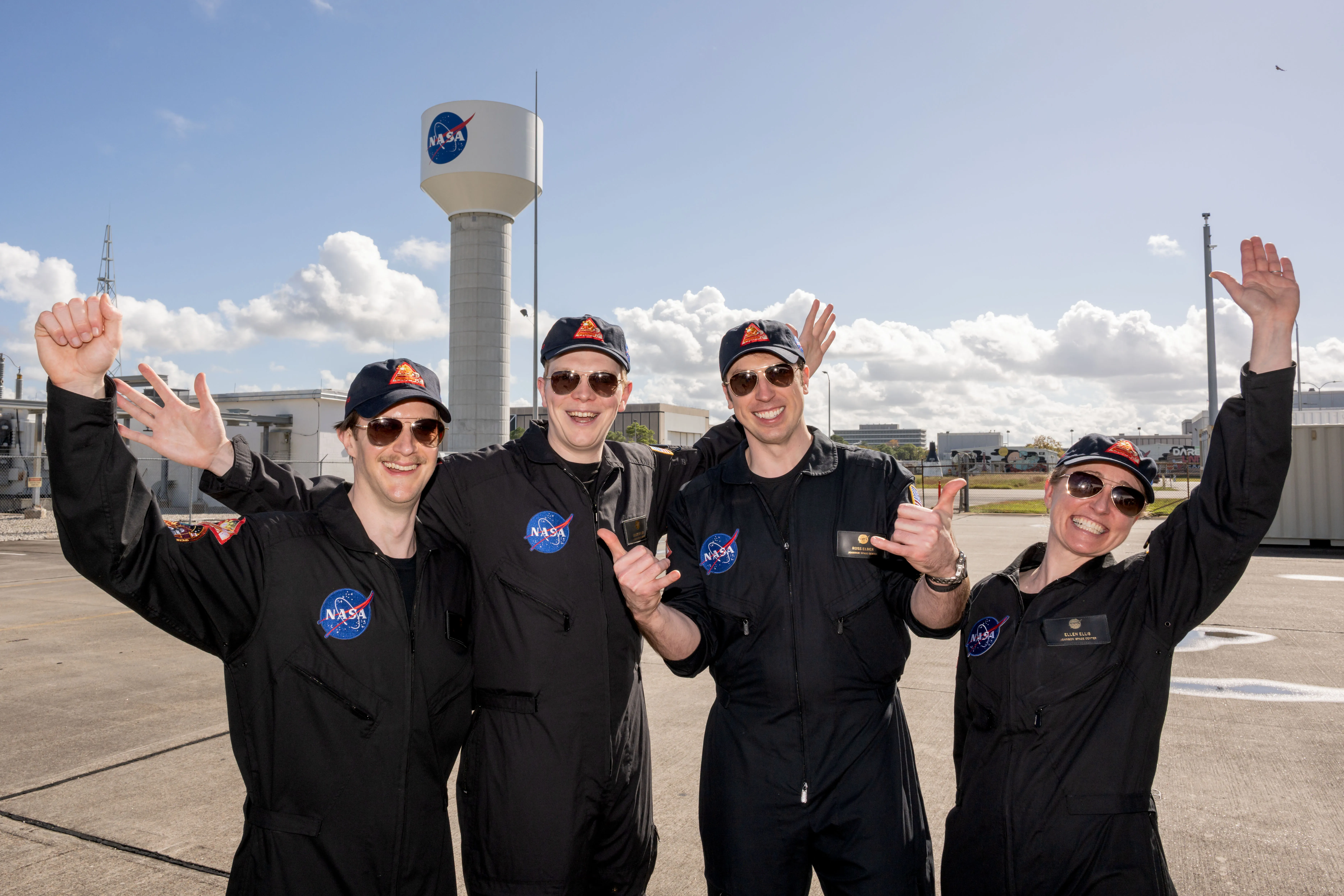
On October 31, 2026, Matthew Montgomery, James Spicer, Ross Elder, and Ellen Ellis emerged from more than a year of simulated Martian confinement to rejoin the rest of humanity. The Crew Health and Performance Exploration Analog (CHAPEA) mission has concluded, and NASA now possesses invaluable data about how humans actually perform during the extended isolation that real Mars missions will demand. This achievement deserves recognition—but it should also prompt urgent questions about what NASA plans to do with these hard-won insights.
The four crew members endured far more than simple boredom. They tested systems, maintained crops, managed severely limited resources, navigated communication delays, and conducted extravehicular activities throughout their confinement. These were not passive observers but active problem-solvers confronting the genuine operational challenges that astronauts will face on the lunar surface and beyond. The fact that they completed more than a year of this work without catastrophic failure is genuinely significant.
Yet significance and utility are not the same thing. NASA extracted crucial data about crew adaptation to long-duration stays, which the agency says will inform both Moon Base design and Mars mission planning. This is commendable. However, the public deserves clarity about what specific design changes or operational protocols will result from CHAPEA. Will crop maintenance procedures be modified? Should habitat layouts change based on what these four learned? How will communication-delay management improve? Vague promises that insights will 'help NASA design' future missions ring hollow without concrete examples.
The CHAPEA program also raises an underexamined issue: crew selection and composition. Montgomery, Spicer, Elder, and Ellis succeeded together over fourteen months. Was their success partly due to their particular personalities and skills meshing well? If so, how will NASA ensure future crews possess similar compatibility traits? The report does not address whether CHAPEA tested multiple crew compositions or whether these four represent an optimal model.
Moving forward, NASA should publish detailed findings from this mission in accessible formats. The agency should specify which CHAPEA discoveries will directly influence Moon Base specifications and Mars planning, with timelines and measurable outcomes. The space exploration community and the public have invested in this analog mission; we deserve transparency about its return on investment.
The safe return of the CHAPEA crew is genuinely encouraging news. Humans can survive and function during extended isolation with proper systems and preparation. Now NASA must prove it can translate that survival into purposeful exploration. The hard part—actually going to Mars—still awaits.