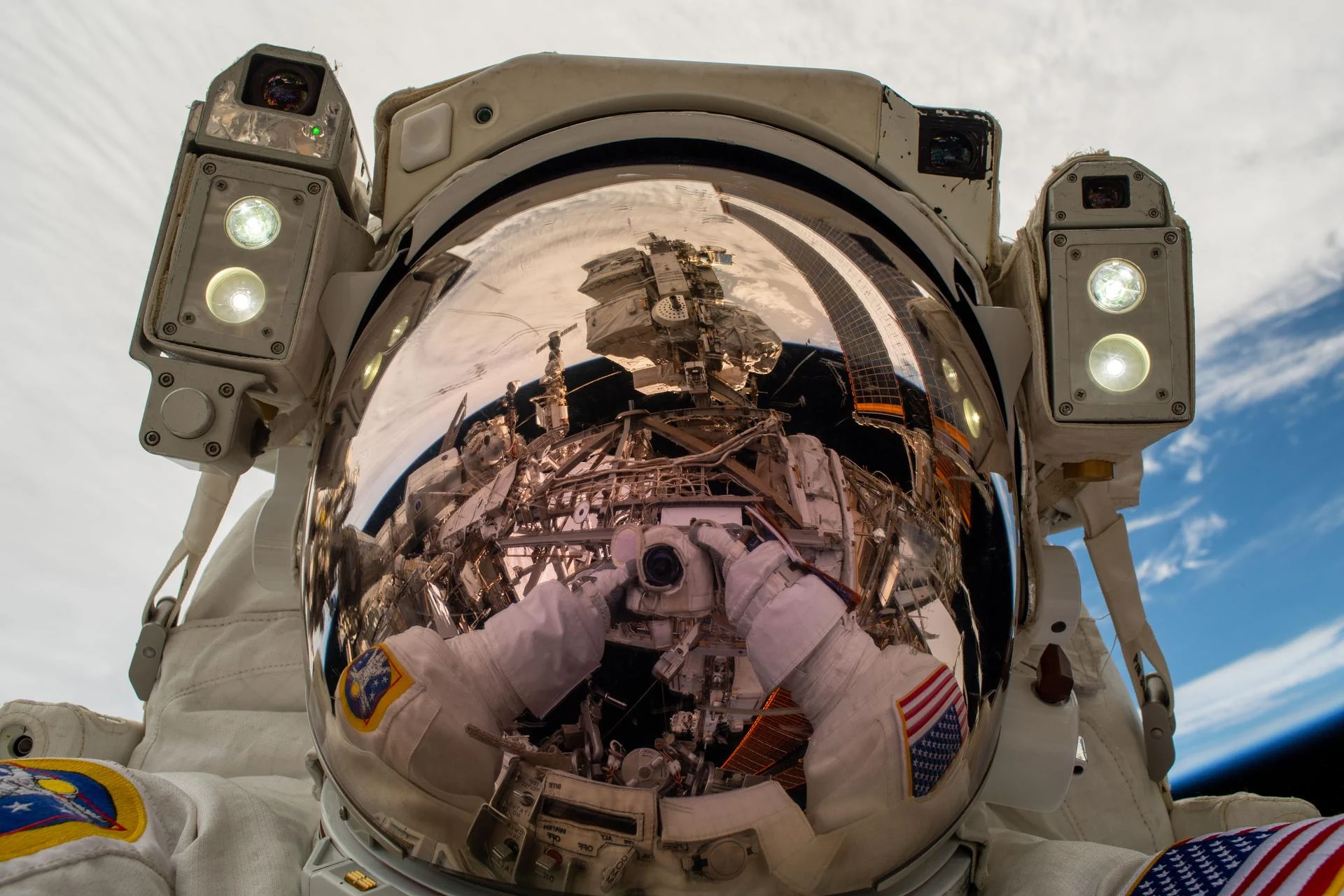
NASA astronauts Anil Menon and Joshua Kutryk of the Canadian Space Agency completed the final installation of iROSA solar panels on the International Space Station during EVA-101 on November 5, 2026. The pair installed the eighth and final iROSA unit on the 3B power channel at the S6 truss on the starboard side of the Station.
The iROSA upgrade program began in June 2021 to address degradation of the ISS's original solar panels, which launched on Space Shuttle flights between 2000 and 2009. Each iROSA unit produces eight kilowatts of power. After this installation, the Station now generates approximately 215 kilowatts of total power.
The program originally planned six iROSA units, installed between 2021 and 2023. Additional power projections led NASA to procure two more units from Redwire for the 2A and 3B channels. These final two panels arrived aboard Cargo Dragon C211 as part of the CRS-35 mission on October 15.
Menon and Kutryk installed the first of these two units during EVA-100 on October 29, which lasted seven hours and 11 minutes. EVA-101 lasted six hours and 59 minutes. The astronauts completed electrical connections during orbital night passes to prevent shock hazards. During EVA-101, they discovered only half the expected current flowing through the 3B channel during initial checks; the issue was resolved during a second night pass inspection.
The completed iROSA upgrade provides sufficient power for normal ISS operations and science missions through the Station's planned end of life around 2030. NASA administrator Jared Isaacman has indicated interest in extending ISS operations beyond that date to avoid a gap until commercial successors become operational.