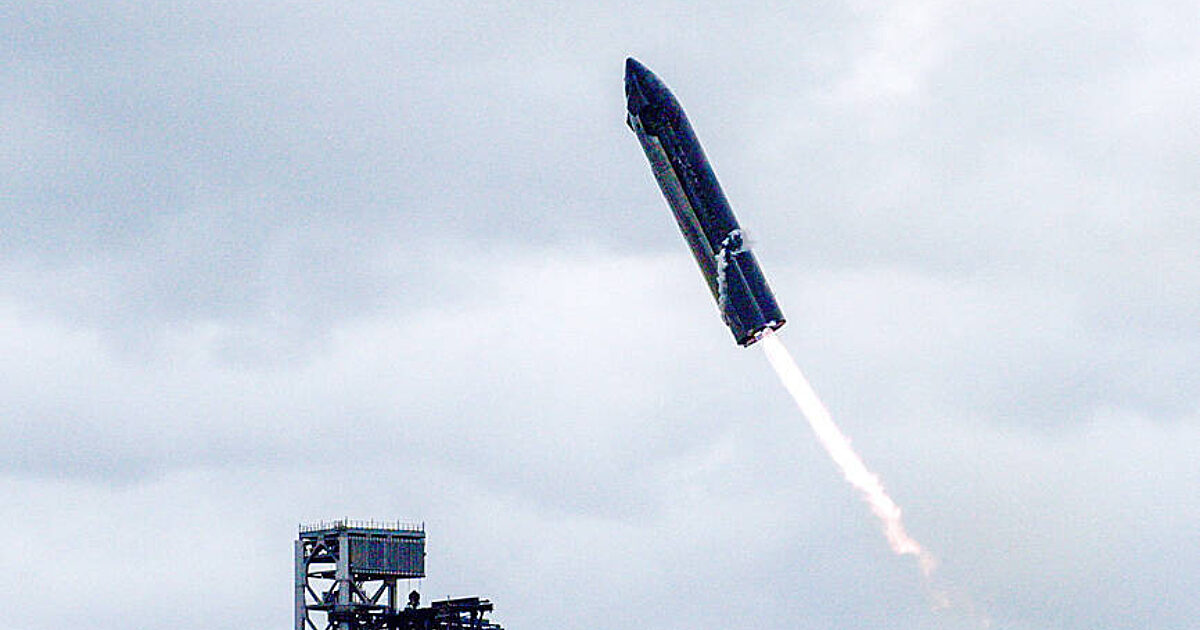
On November 14, SpaceX achieved a historic milestone when Starship reached orbit, deployed Starlink satellites, and returned to its launch site to be caught by the "chopsticks" arms of its launch tower. The following day, ULA's Vulcan—a single-use medium-to-heavy-lift vehicle from the Boeing-Lockheed Martin joint venture—failed to reach orbit during its return-to-flight attempt after a partial failure last year. The contrast illustrates a troubling reality: the world's most audacious rocket succeeded while more conservative alternatives stumbled, yet this triumph masks a gathering crisis for American space ambitions.
SpaceX's dominance over the U.S. launch industry has become so lopsided that both government and commercial space companies are functionally dependent on a single company to place their assets into space. Since 2020, seven out of every 10 NASA launches have been on SpaceX rockets. Eight upcoming science missions, including Dragonfly, NEO Surveyor, and the Rosalind Franklin Rover, will launch on SpaceX vehicles. This concentration of dependency would be acceptable if SpaceX remained committed to serving as a launch services provider. It is not.
CEO Elon Musk has stated that SpaceX will wind down its Falcon 9 and Falcon Heavy rockets once Starship flies reliably. The company has reportedly stopped accepting orders for future rideshare missions and stopped booking new commercial launches on Falcon. SpaceX appears far more interested in deploying space-based AI data centers rapidly than in allocating launch capacity to other customers. This is rational business strategy—but it is catastrophic policy for a government that allowed itself to become dependent on a single commercial provider.
The alternatives offer little comfort. Rocket Lab's Neutron has been delayed to 2027. Blue Origin's New Glenn suffered a pad explosion. Relativity Space's Terran R has shared no public timeframe for first launch. None will immediately replicate Falcon 9's reliability and launch cadence. Meanwhile, NASA faces additional challenges: it will wind down the Dragon crew capsule, forcing reliance on Boeing's troubled Starliner after 2030. Even Starship cannot immediately substitute for Falcon—its deployment system is custom-designed for Starlink satellites and incompatible with most military and NASA payloads.
The current crisis stems from NASA's successful but ultimately naive bet on commercial competition. The agency nurtured a launch industry where it would be just one of many customers. This strategy worked too well: NASA is no longer a big enough customer for SpaceX. As Casey Dreier notes in The Planetary Society's analysis, SpaceX is acting like a commercial company rather than a national asset—a reasonable corporate choice that reveals the profound risks of depending on private enterprise for critical national infrastructure. NASA and the government must urgently develop genuine alternatives, or accept that American space exploration will be hostage to SpaceX's business priorities for years to come.